Five Things I’ve Learned Since I Started Designing

In my last post, I wrote about the importance of fibre when I’m choosing what to make. This time, I want to explore some of the things I’ve learned since I started designing crochet patterns and weaving.

When I first began, I assumed that most of what I needed to learn would be about stitches, yarn, and techniques. While those things are certainly important, some of the biggest lessons have come from entirely unexpected directions.

1. Gauge Really Does Matter

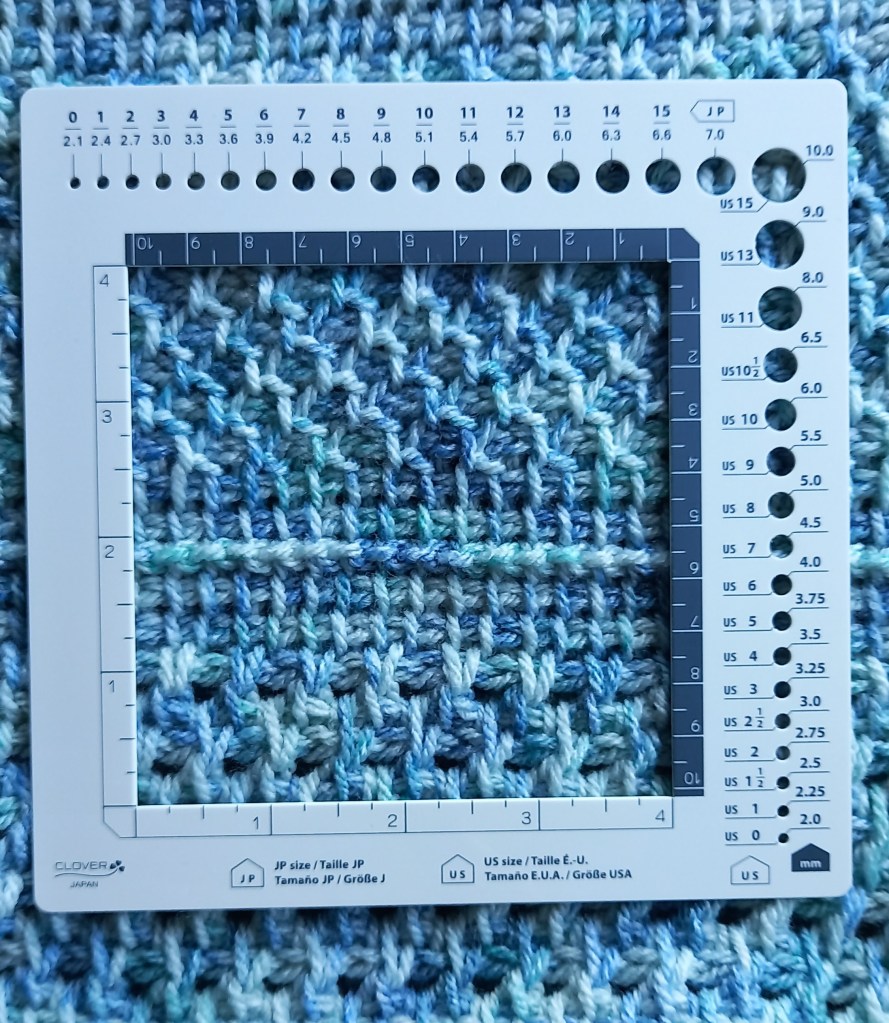
Let’s start with gauge: that line in every good pattern that tells you how many stitches and rows should fit into a specific measurement. It’s also the line that many people are tempted to skip over.

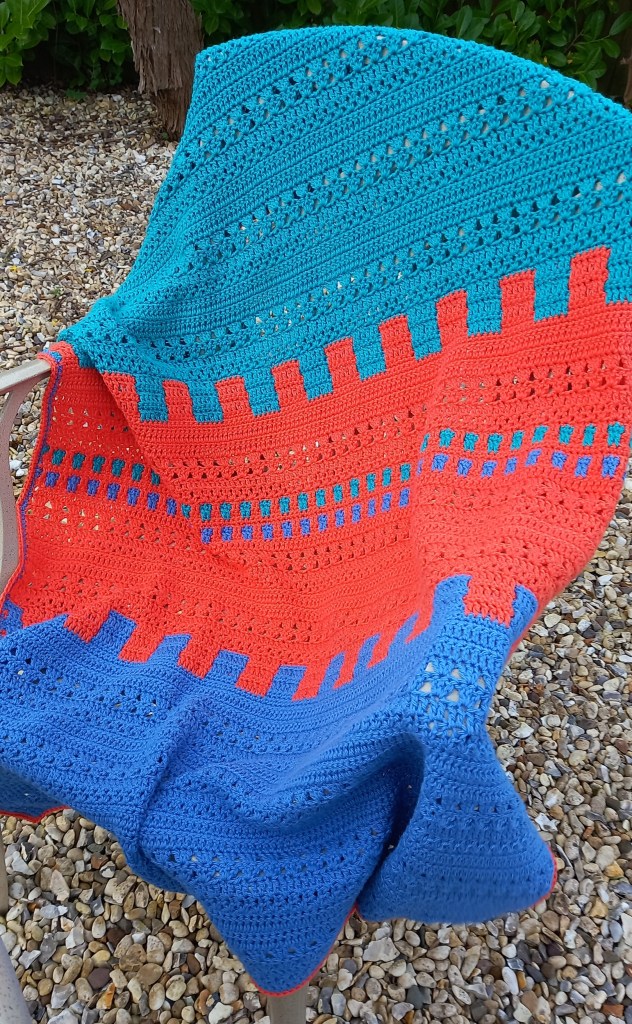
As a designer, I tend to create items where gauge isn’t absolutely critical—blankets, throws, ponchos, shawls and wraps. If your tension is slightly different from mine, the finished item will still work. Even so, I always include gauge information because it helps people understand how the fabric should behave and gives the pattern a level of professionalism.

Where gauge becomes essential is in fitted garments. I don’t design those, but I do make them, and I always take the time to check my gauge first. It might feel like an extra step, but it’s far quicker than spending weeks making something that turns out to be two sizes too small—or large.

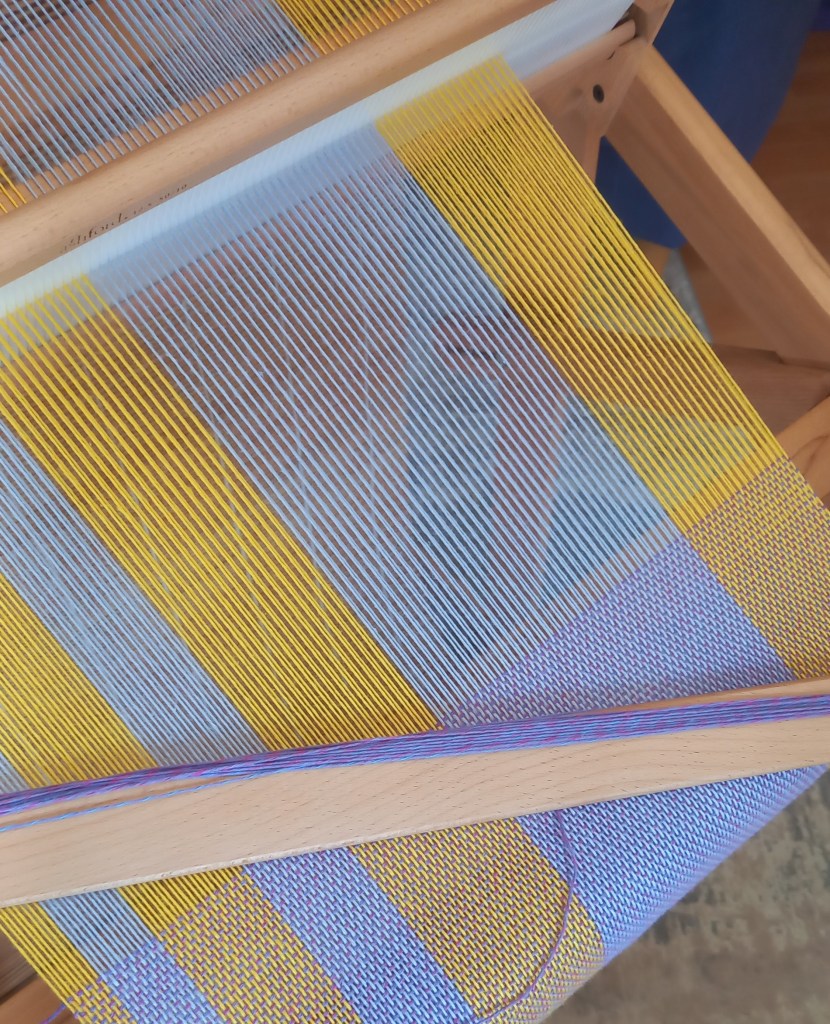
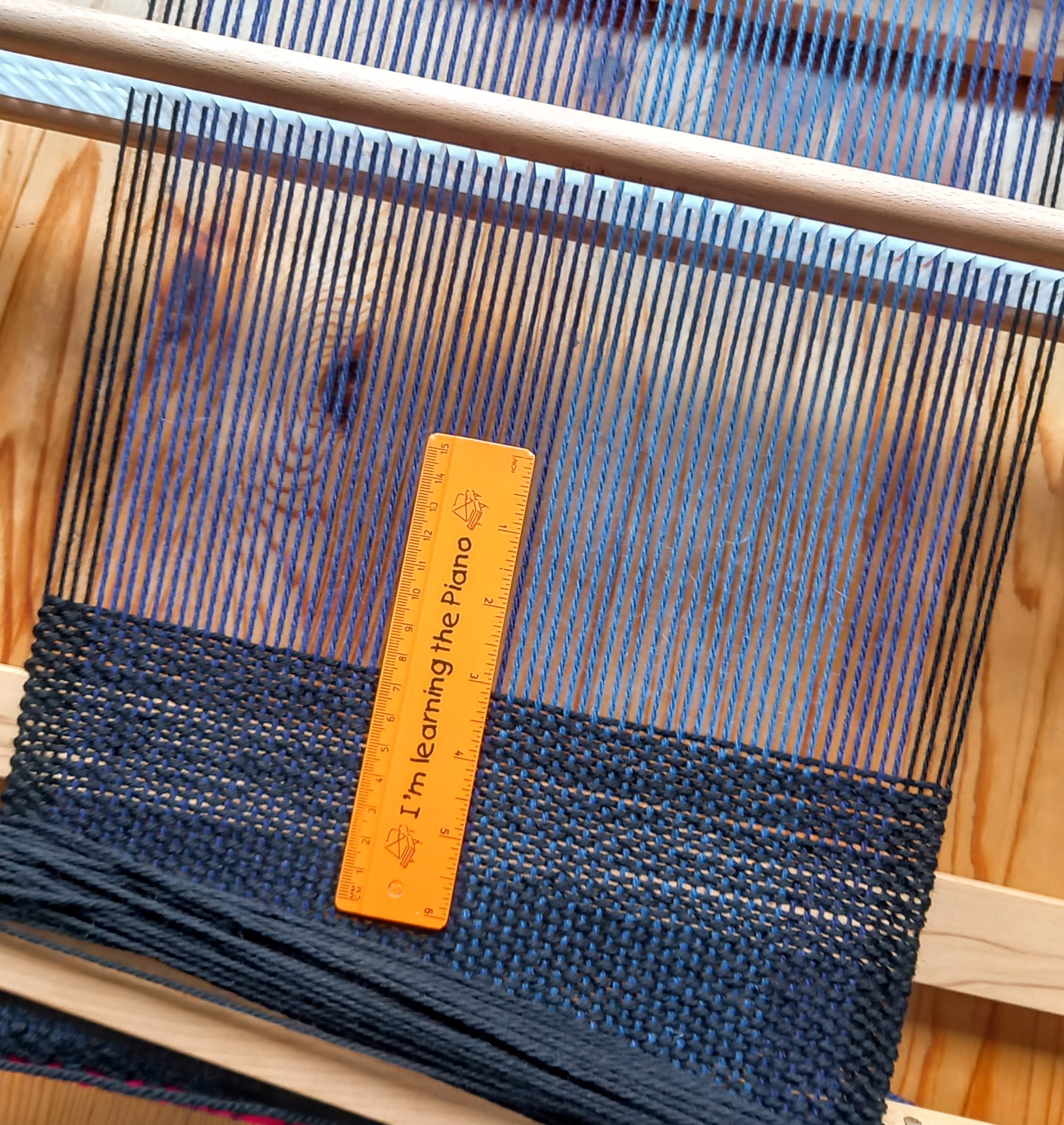
Weavers have their own version of gauge: picks per inch, which measures how many rows of weft yarn fit into an inch of cloth. I’ve learned that consistency is the key here. Keeping your picks per inch reasonably even throughout a project produces a balanced fabric without unexpectedly dense or loose areas. A small ruler tucked beside the loom can be surprisingly useful.

2. Writing a Pattern Is Harder Than Making the Item

Creating something with yarn and a hook is one skill. Explaining clearly how someone else can create the same thing is another entirely.

When I’m making a piece, I know what I mean and where I’m going next. The challenge comes when I have to write those decisions down in a way that makes sense to someone who has never seen the project before.

I’ve learned that good pattern writing is really about communication. Sometimes that means adding extra photographs. Sometimes it means drawing a chart to show stitch placement. Occasionally it means recording a short video demonstration.

When I first started designing, I never imagined I’d be learning how to edit photographs, create charts, or upload videos to YouTube. Yet all of those skills have become part of the process.

3. Simplicity Is Often More Difficult Than Complexity

One lesson that surprised me is that simple designs are not necessarily easier to create than complicated ones.

When a design contains lots of texture, colour changes, or intricate stitch patterns, small imperfections can disappear into the overall effect. A simple design has nowhere to hide. Every detail matters.

The same applies to pattern writing. Clear, straightforward instructions often take longer to write than complicated ones because they require careful thought and editing. I’ve learned that simplicity is usually the result of refinement rather than a lack of effort.

4. Photography Matters More Than I Expected

A beautiful design can easily be overlooked if the photographs don’t show it at its best.

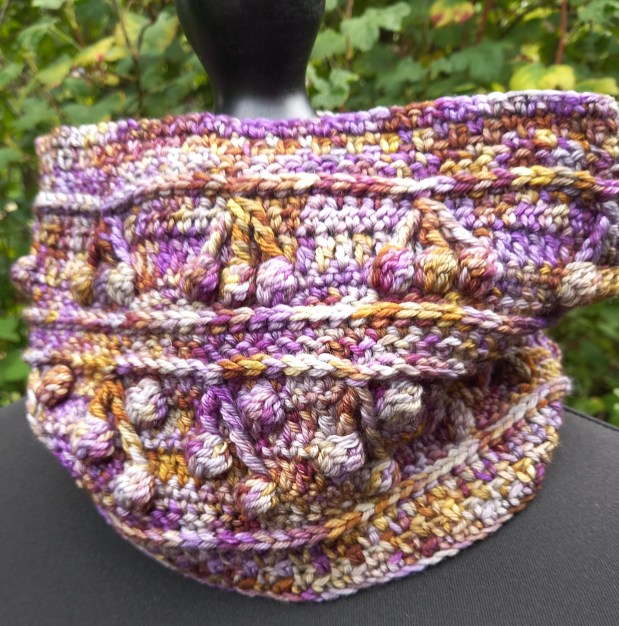
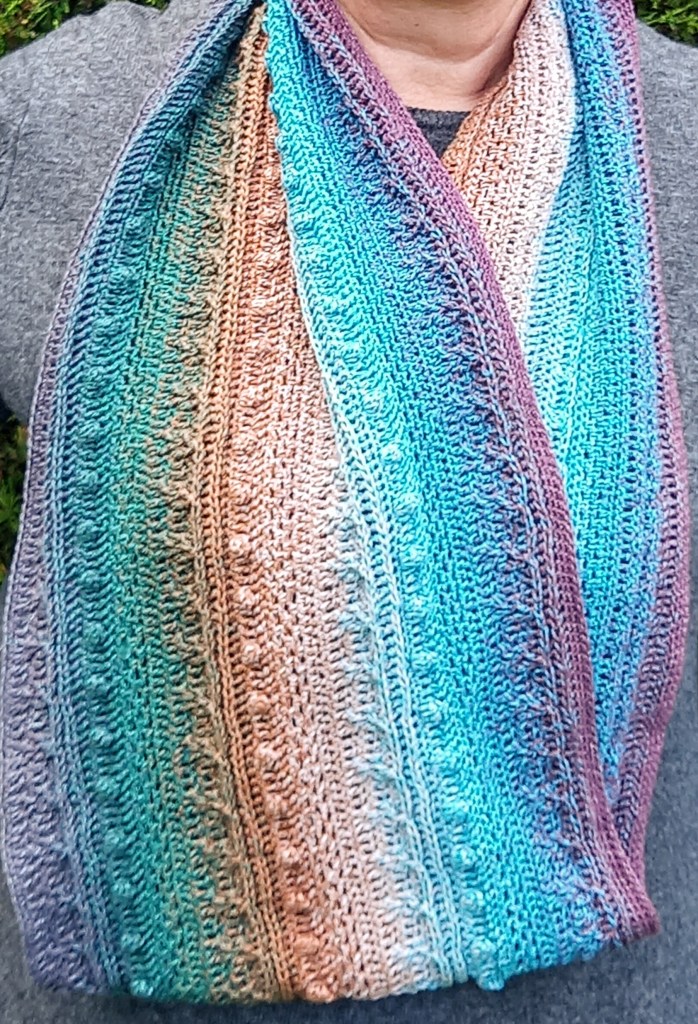
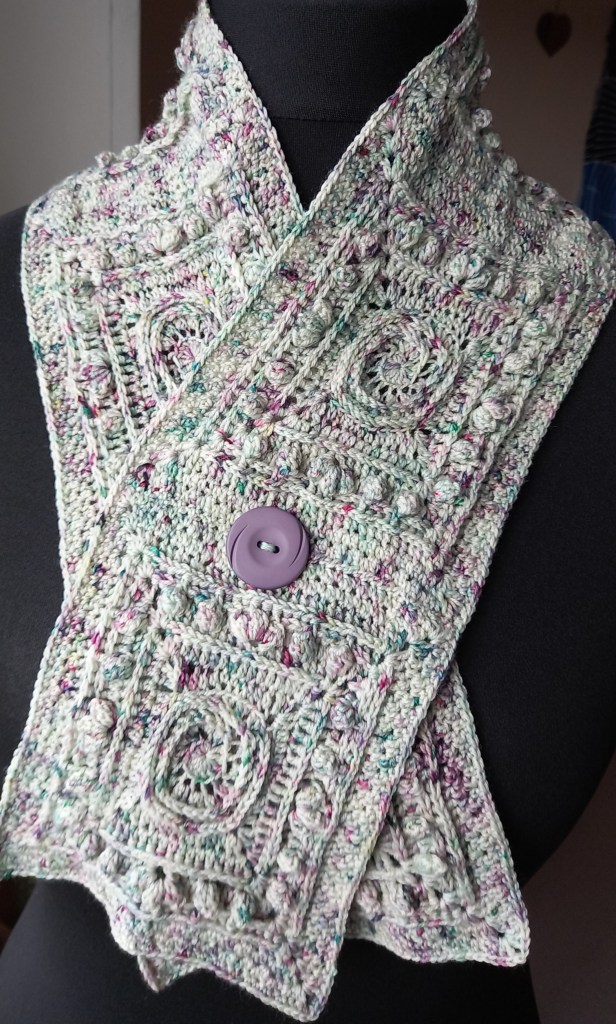
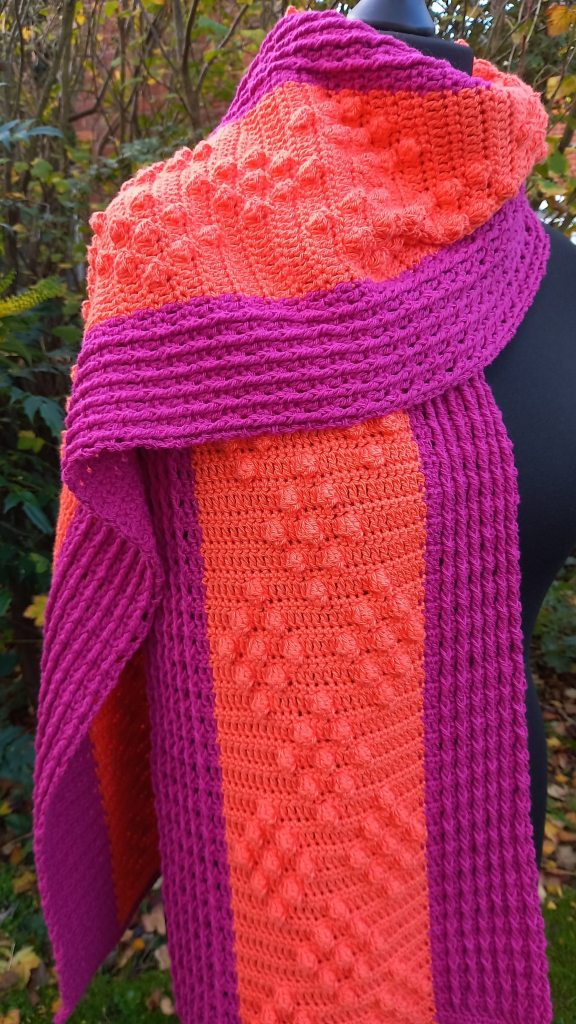
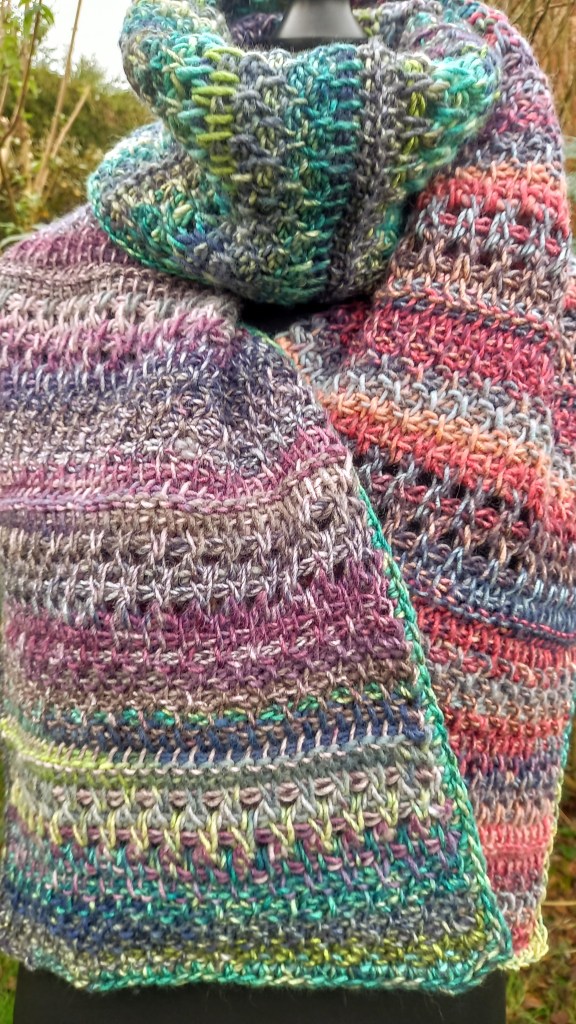
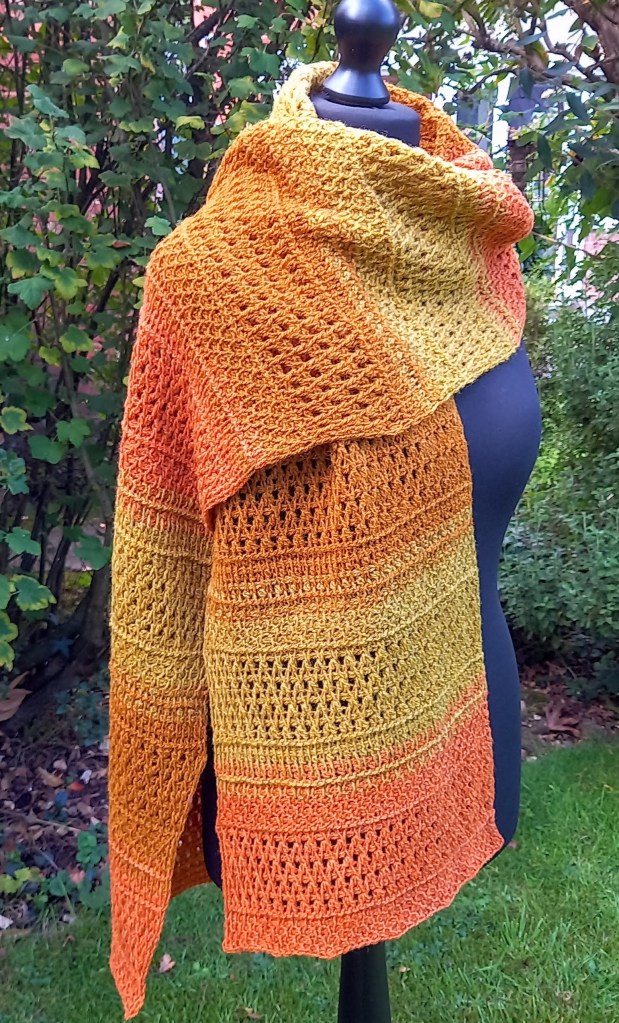
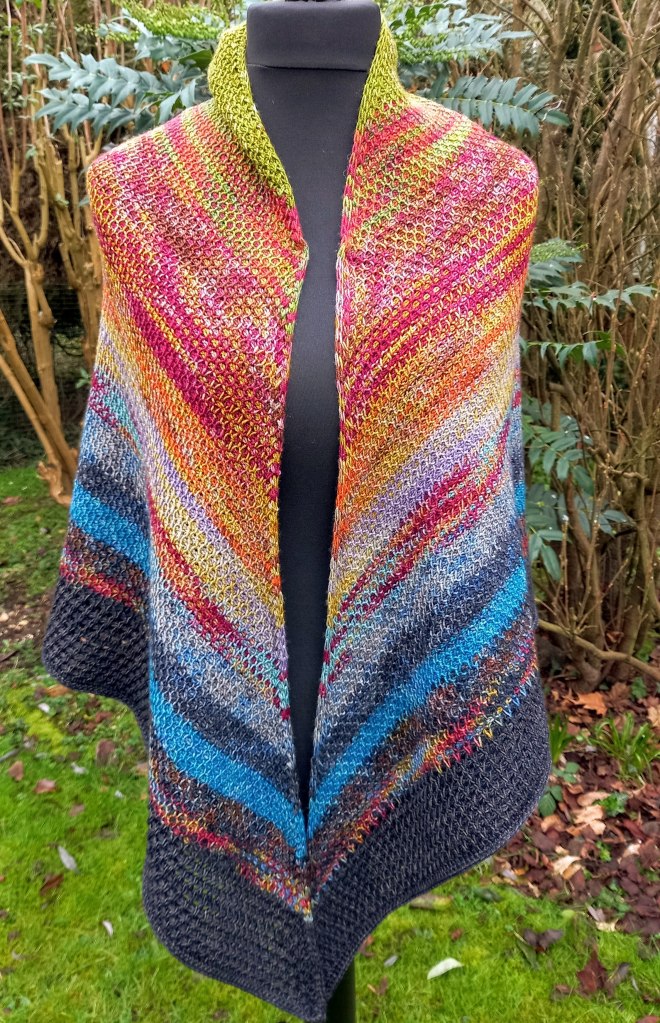
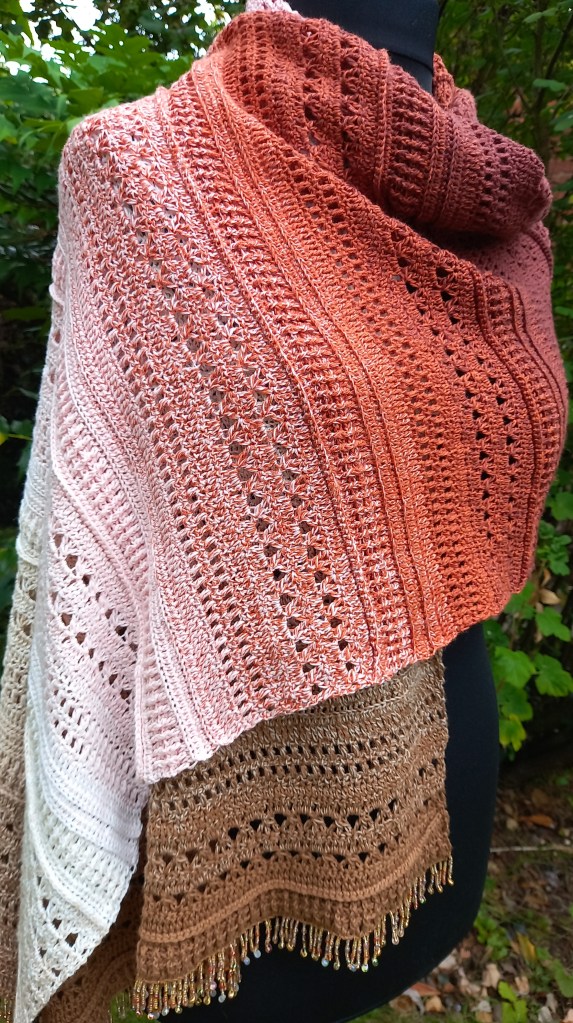
I take all my photos using my phone and natural light. Early on, I discovered that artificial lighting can dramatically alter colours, especially pinks and oranges. Even now, I find myself watching the weather and the light, ready to dash outside with a project when conditions are just right.

I’ve also learned that bright sunshine isn’t always ideal. Soft, indirect light tends to reveal texture and colour far more accurately.

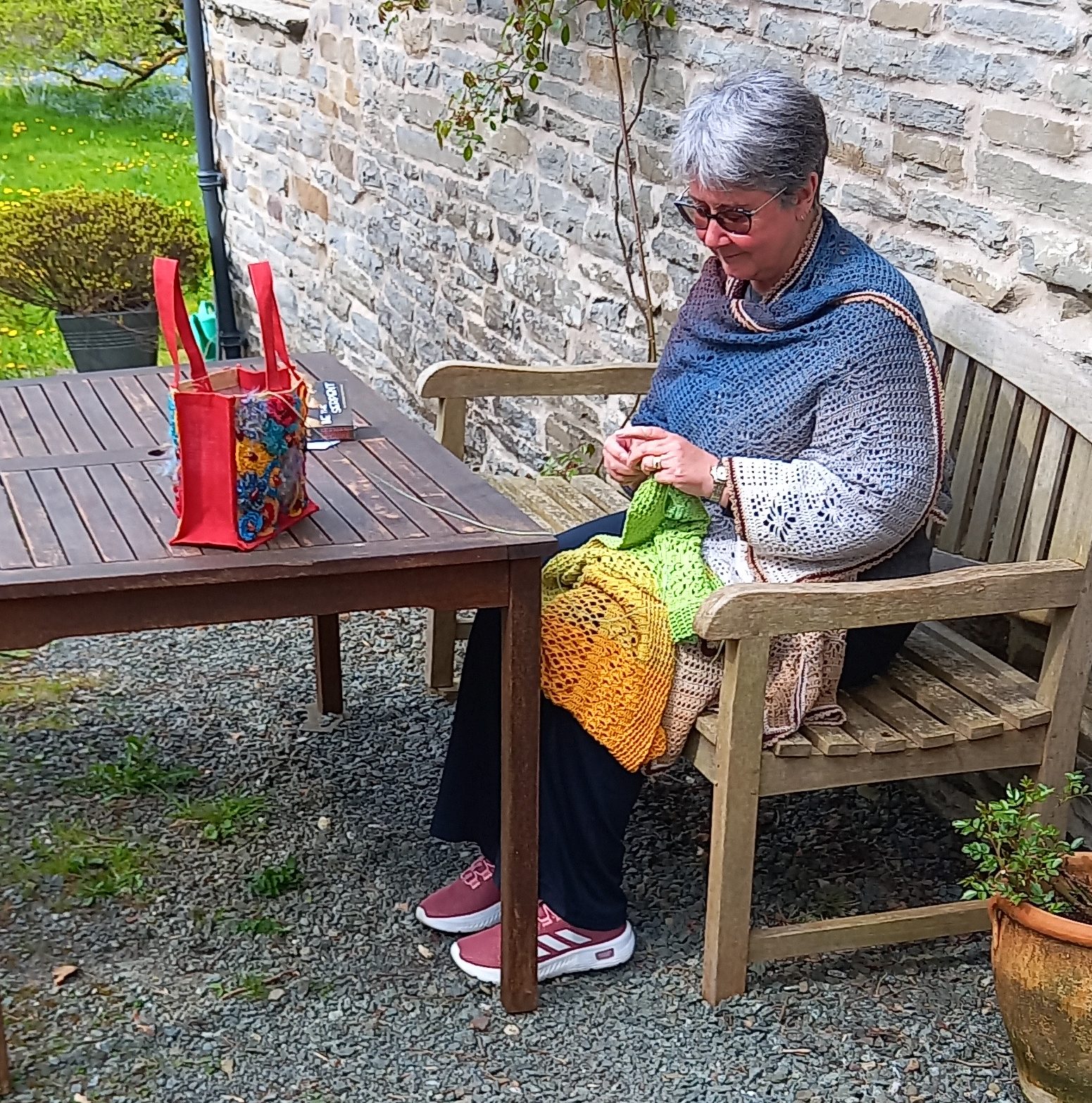
Perhaps the hardest lesson has been becoming comfortable in front of the camera myself. I’m much happier photographing yarn than being photographed wearing my own designs, but I’ve come to realise that people like seeing how a finished piece looks on a real person. It’s still a work in progress, but I’m getting there.

5. Everyone Crafts Differently

Perhaps the most important lesson of all is that there is no single “right” way to crochet or weave.

People hold their hooks differently. They tension yarn differently. They learn in different ways. Some love charts; others prefer written instructions. Some enjoy following a pattern exactly, while others use it as a starting point for their own creativity.

As a designer, that’s something I’ve learned to embrace. My job isn’t to tell people how they should make something. It’s to give them the tools and information they need to make it successfully in their own way.

Still Learning

Many of these lessons have come from books, workshops, fellow crafters, and sometimes from mistakes I’d rather not repeat. The funny thing about designing is that every new project teaches me something new.

That’s one of the reasons I enjoy it so much.

If you’re interested in quick tips and small lessons I’ve picked up along the way, I share a crafting tip every Monday on Facebook and Instagram. Why not pop over and take a look?

Happy crafting,

Sue

The Yarn Chooses the Project

In my last post, I wrote about why I choose to make the things I do. This time, I want to explore the part that yarn plays in generating ideas for a new project.

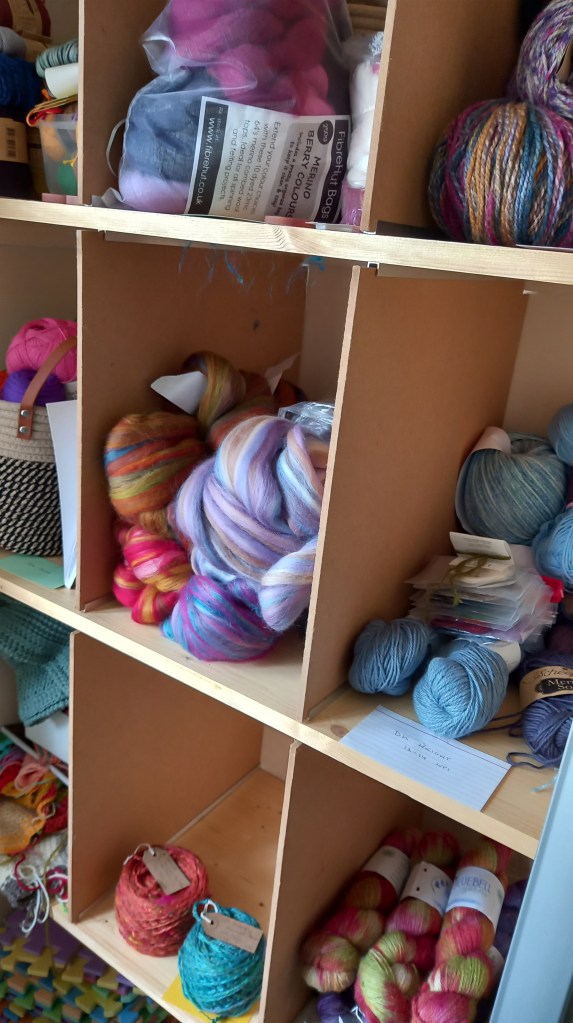
My stash has developed over time. Originally it was stored in a loose colour order and was full of leftover balls of yarn, gifted skeins, abandoned projects and those impulse purchases that simply couldn’t be left in the shop. As my business has evolved, from crochet design into weaving and now spinning my own yarn, my stash cupboard has changed too.

These days I organise everything by weight rather than colour. Much of the yarn I use is aran or double knit, while the yarn I spin myself usually comes out somewhere around double knit or worsted weight. I do, however, have a weakness for sock yarn. Those beautiful indie-dyed skeins and irresistible gradient cakes seem to find their way home with me far more often than I intend!
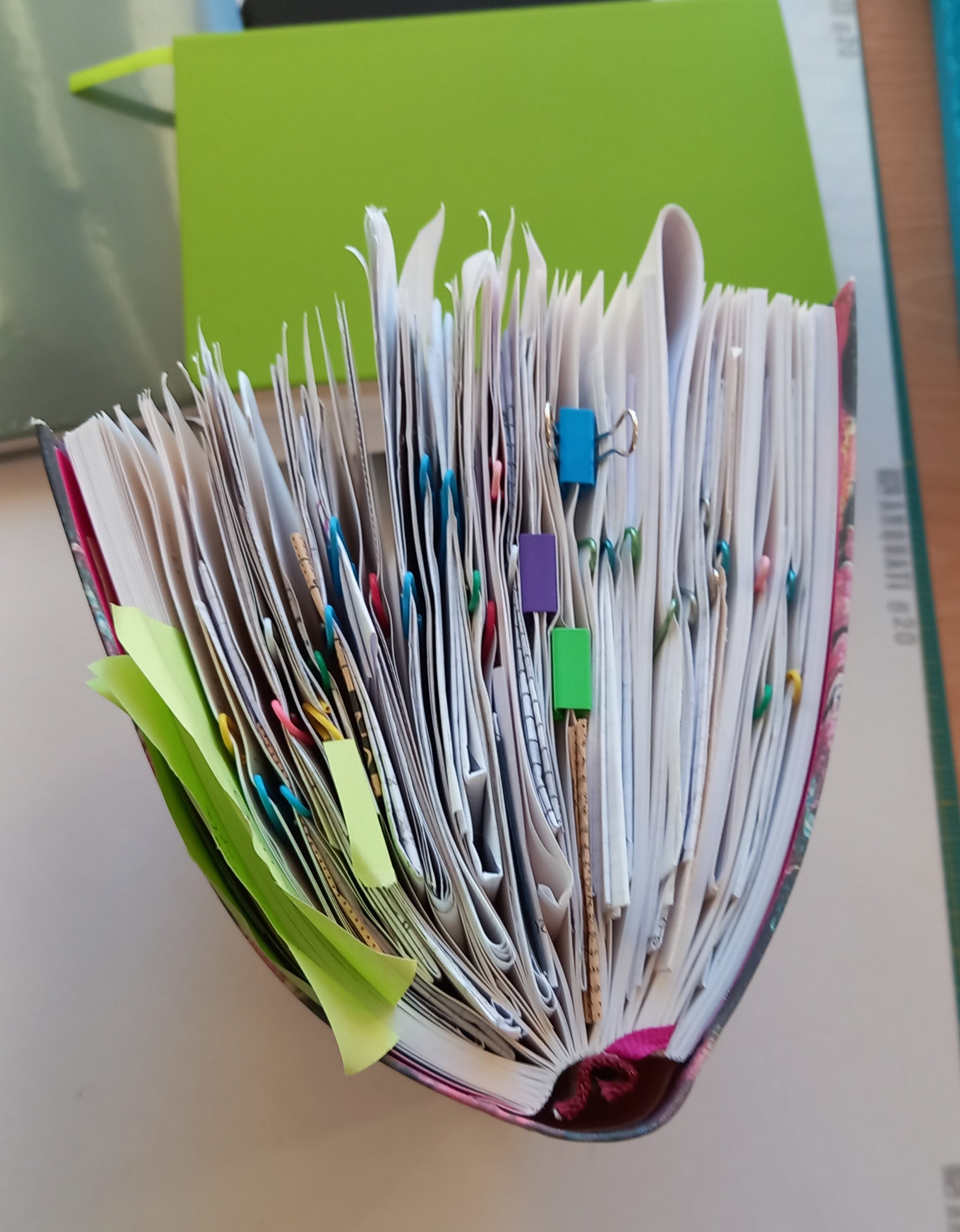
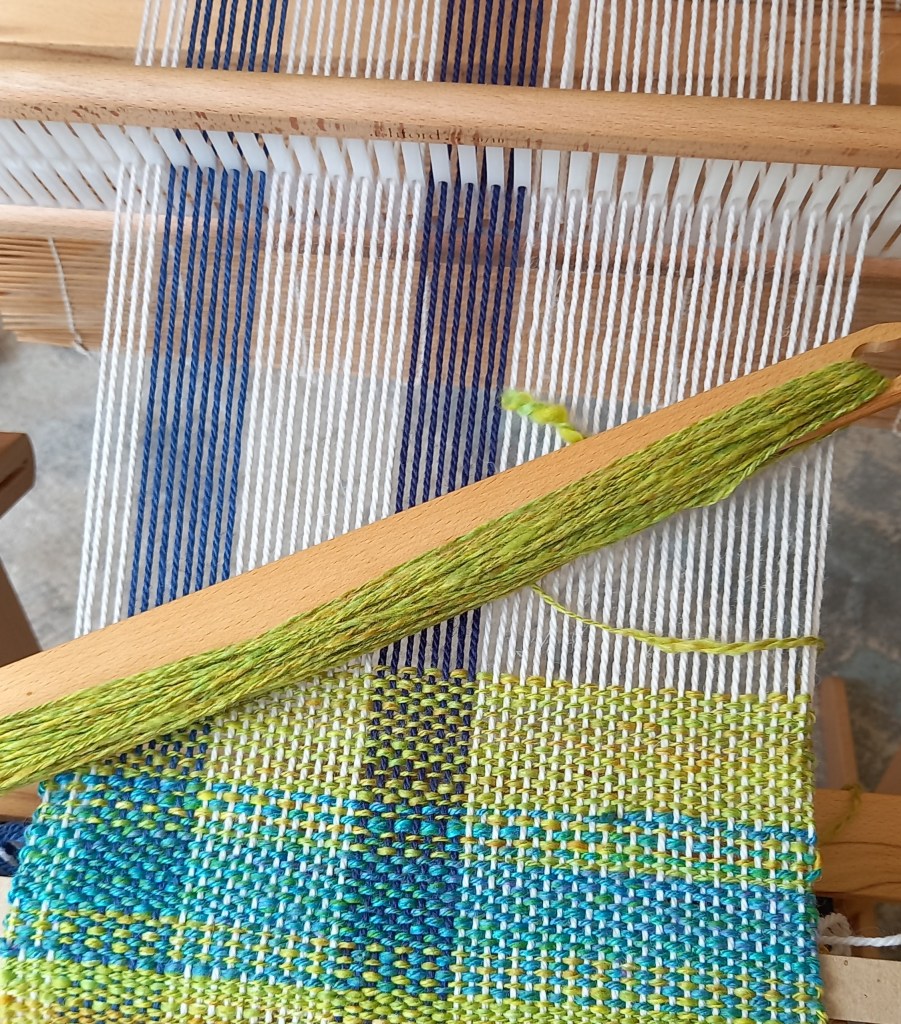
Organising my stash this way means that when an idea starts to form, I can reach straight for the right weight of yarn to sample with. The colour is less important than the structure and feel of the yarn for those first crochet samples. When weaving, I also tend to keep the warp to a consistent weight, while enjoying a little more freedom to experiment with different textures in the weft.

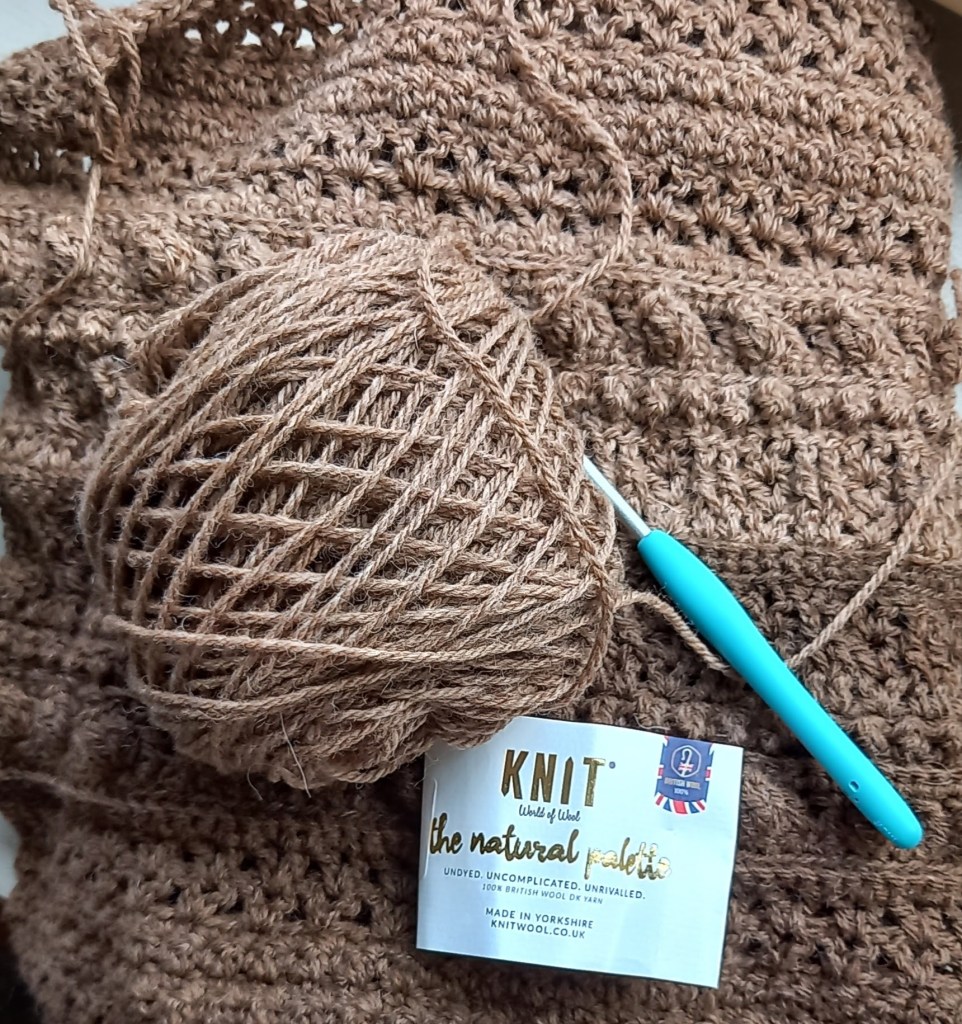
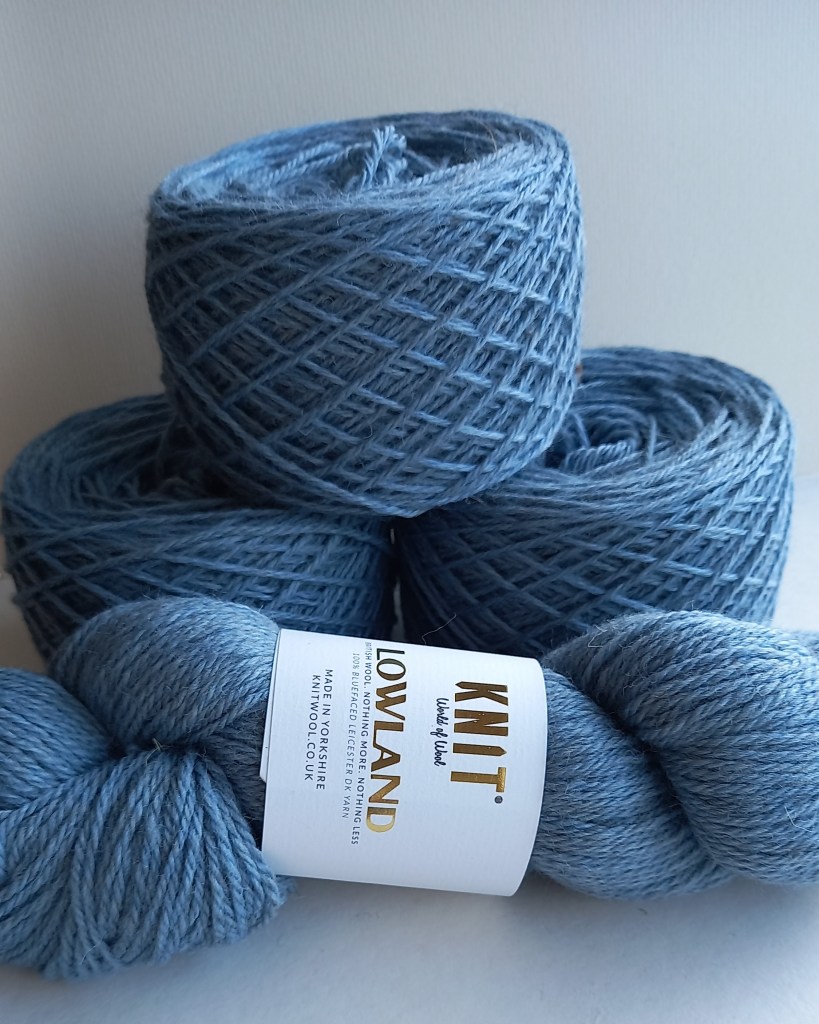
Since learning to spin, I have become something of a yarn snob. I spend a long time reading fibre content labels at shows and in yarn shops, looking for yarns with a higher proportion of natural fibres. They may cost a little more, but I find them a joy to work with.

More often than not, it is the fibre itself that suggests the project. A basket of wool or alpaca immediately makes me think of cosy shawls, wraps or throws for winter evenings, while bamboo, linen or cotton seem to call out for lighter designs such as picnic blankets or airy summer cover-ups. Sometimes I don’t choose the project at all – the yarn quietly chooses it for me.

If you’re as fascinated by fibres as I am, you might enjoy my weekly Tuesday “Focus on Fibre” posts on Instagram and Facebook. There is always something new to discover about the materials we love to work with.

What fibre do you find impossible to resist?  Whatever fibre you choose, I hope it brings you as much inspiration as it brings me.

Happy crafting,

Sue

Why I Make What I Make

In my last post, I wrote about mistakes. This time, I want to explore why I choose to make the things I do.

At its heart, I think I make because I need something for my hands to do. My family laugh because I can rarely sit down, whether alone or with other people, without pulling a project bag onto my lap. I like to joke that if my hands are busy with yarn then I can’t be eating biscuits, although we all know that isn’t entirely true.

My patterns tend to focus on functional items using simple shapes with plenty of texture because those are the projects I most enjoy making: scarves, shawls, cushions, hats and bags. I’m always drawn to pieces that are practical but still interesting to work on.

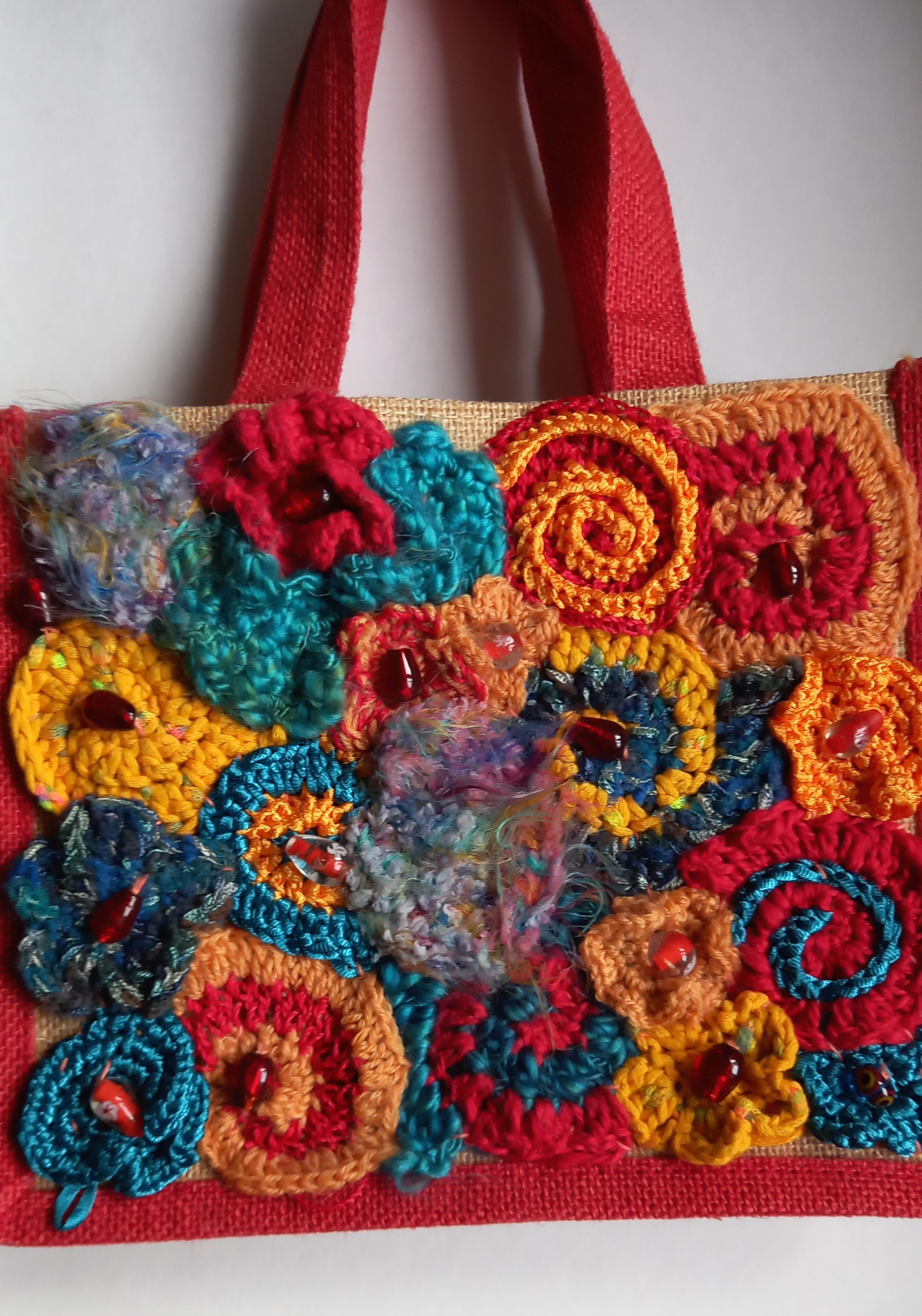
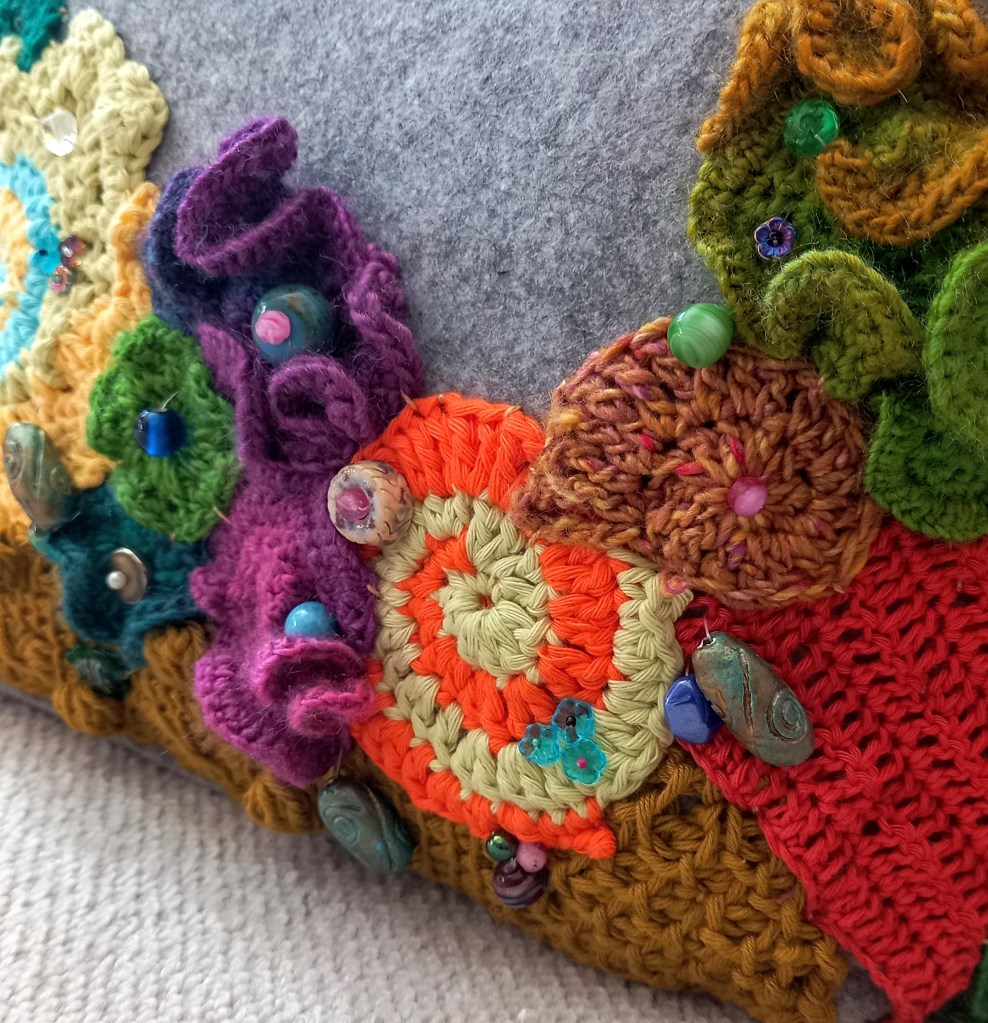
To reach a finished design, I usually create a collection of small samples to test stitches, textures and colour combinations. Some makers unravel their swatches and reuse the yarn immediately, but I prefer to keep mine until the project is complete. Afterwards, because I try to work with as little waste as possible, the samples often find their way into a freeform crochet piece instead.

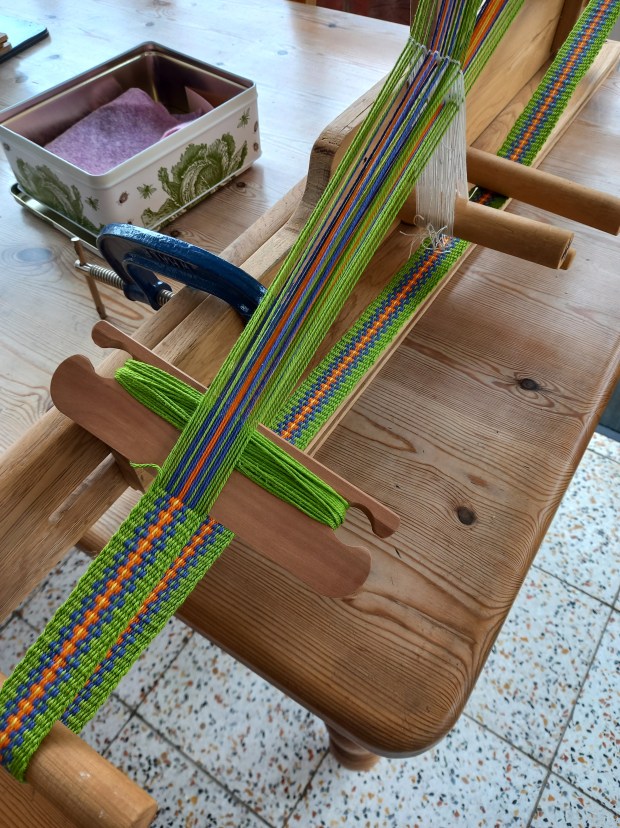
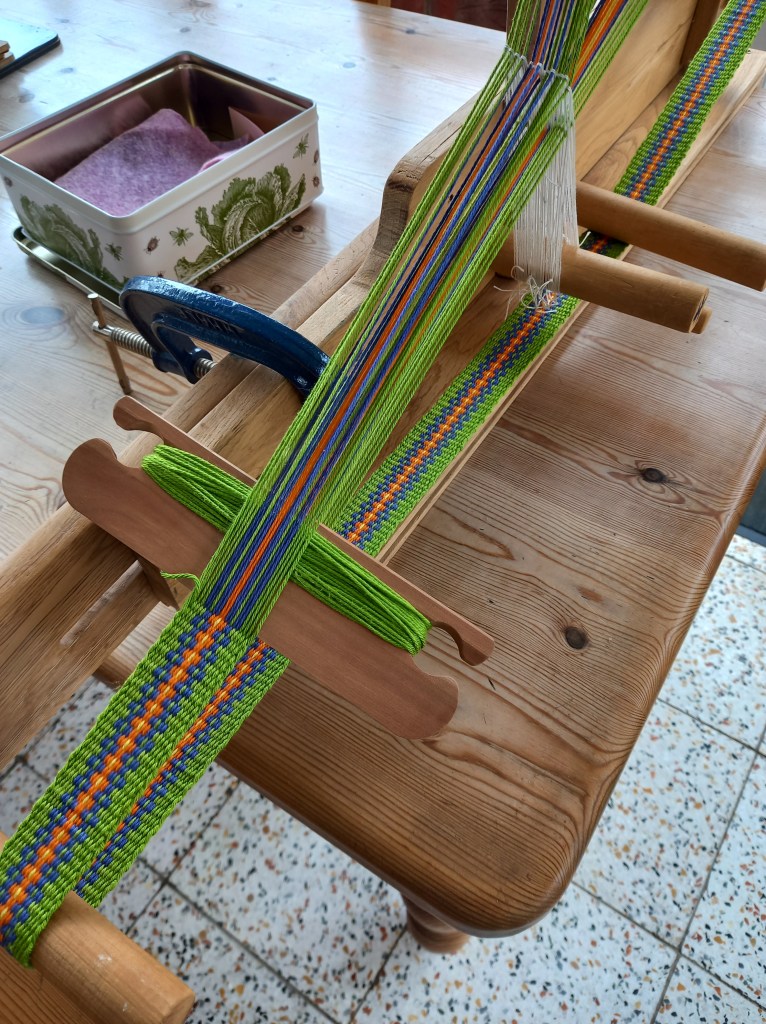
During the lockdowns, I also began exploring weaving, starting with an inkle loom that my husband made for me from scraps of wood found in his shed. Originally, I simply wanted to weave sturdy straps for bags, and the inkle loom does that beautifully. I use mercerised cotton almost exclusively because the colours are vibrant and the fibre stands up well to the tension of weaving.

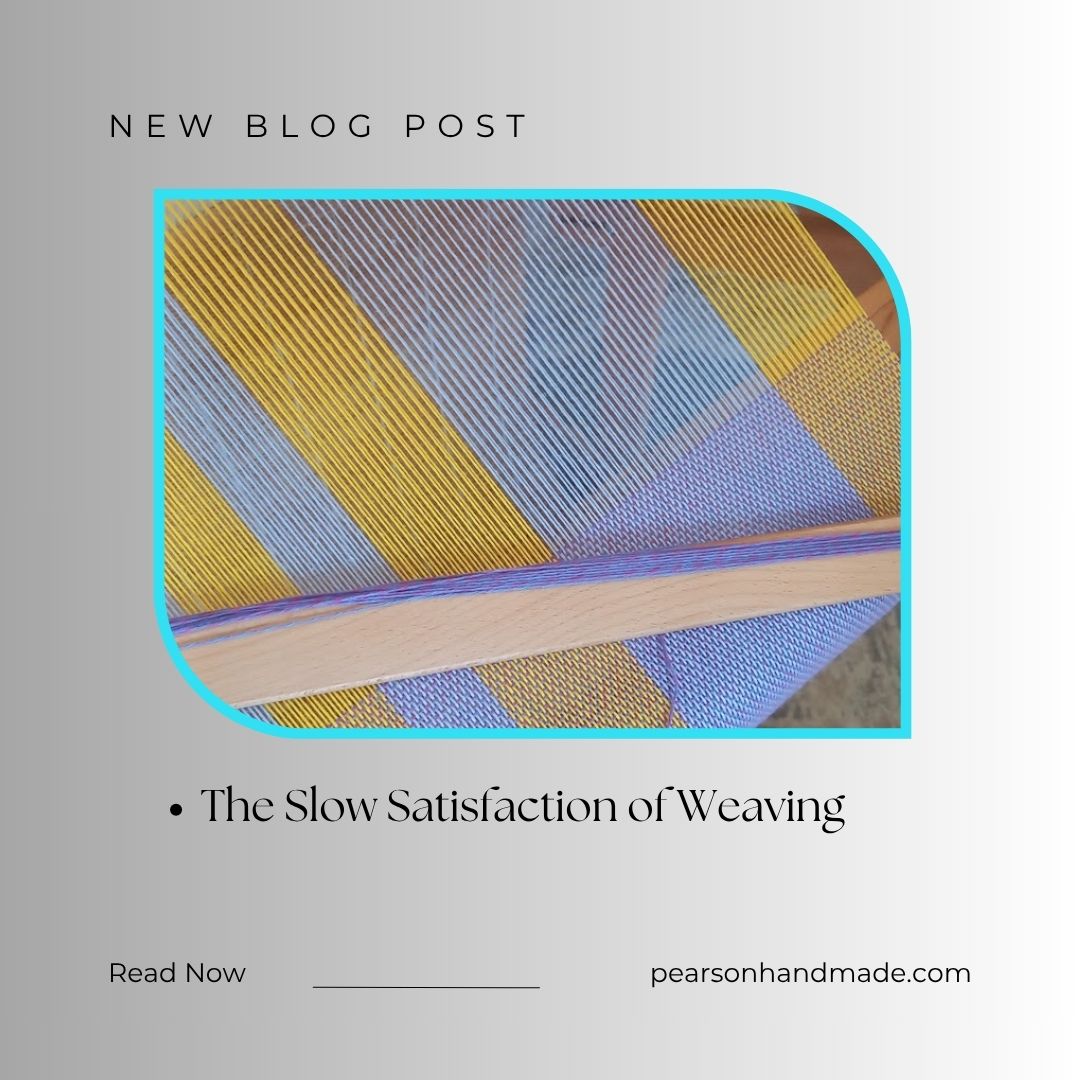
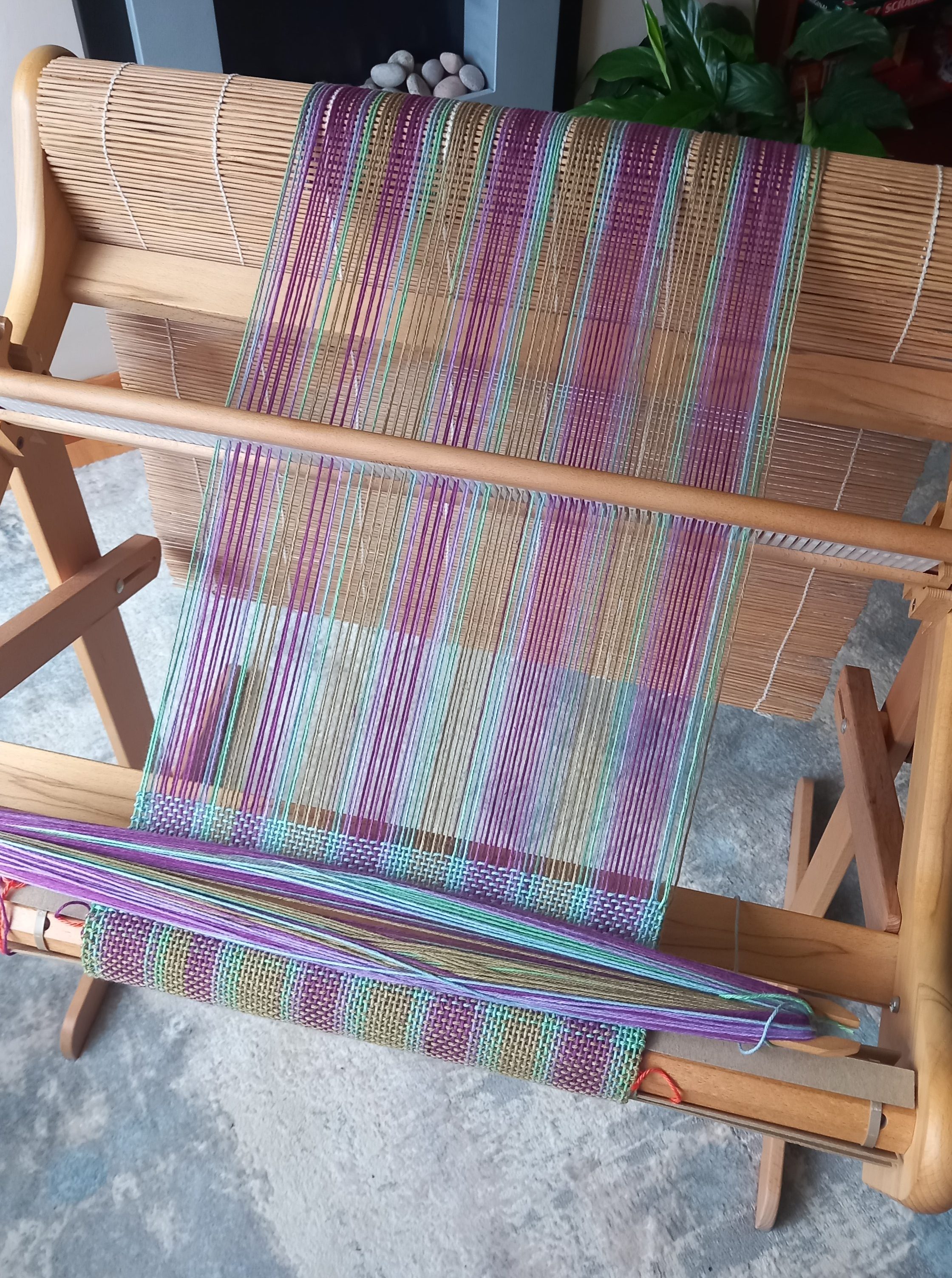
Once I had been bitten by the weaving bug, I moved on to a rigid heddle loom. This is where I allow myself even more freedom to experiment. I like working with the fibres I already have available and seeing where they lead me. Most of the time I sit down to weave without a fixed plan and simply enjoy the process. Sometimes that results in a beautiful scarf or shawl — still keeping to those simple shapes I love — and sometimes it produces an uneven piece of cloth that ends up cut apart and reused elsewhere.

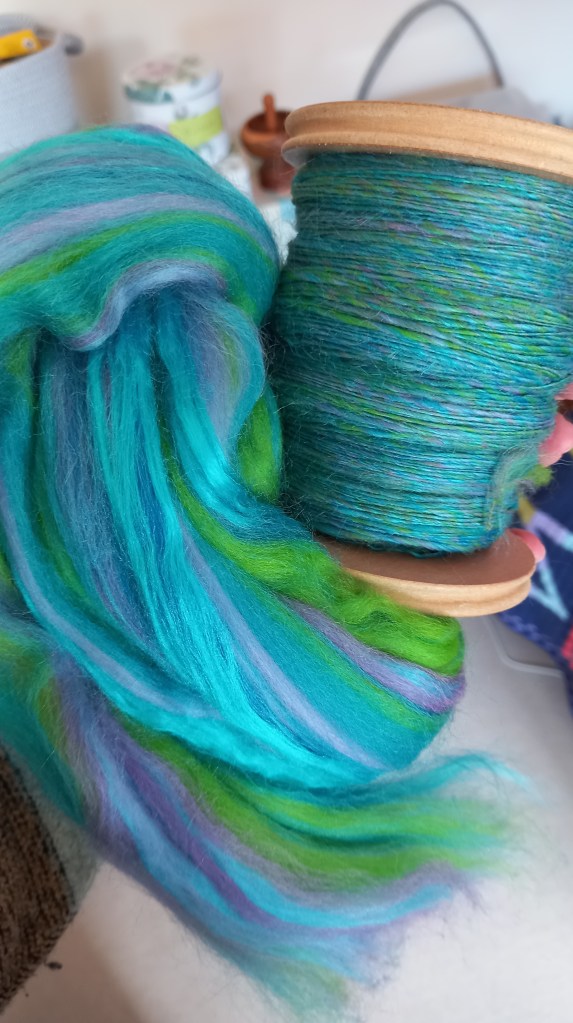
Then there is spinning. I began with a drop spindle and eventually progressed to an Ashford Traveller 3 spinning wheel. Spinning has opened up another layer of creativity for me. I choose fibres and colours simply because they appeal to me, even though they often transform completely once spun. I’m still learning constantly, but I can now produce a yarn that is not only usable, but genuinely enjoyable to crochet and weave with.

In the end, everything comes back to the same simple thing: keeping my hands busy. The difference now is that I can do that using yarns I have spun myself, textures I have chosen deliberately, and fabrics that have evolved through exploration and play.

Whatever you decide to make, happy crafting

Sue

Making Mistakes

In my last post, I wrote about learning and unlearning. This time, I want to explore mistakes because, to echo the old Sinatra song, “I’ve had a few.”

The trouble with social media, I find, is that perfection is held up as the standard to which we should all aspire. Real life is rather different and, certainly in my case, full of mistakes. That’s not necessarily a bad thing, although I’ve experienced both sides of the argument.

My mum, who taught me the basics when I was a child, always worked from patterns and took enormous care to follow the instructions to the letter. Mistakes were simply not allowed, and the whole process often seemed slightly stressful. Much later, when I enrolled on a City and Guilds Design and Embroidery course at the local art college, I discovered the joy of experimentation. Trying something out simply for the pleasure of seeing what happened was positively encouraged. Even the samples that turned out “badly” could be cut up and incorporated into the next piece of work. The whole experience was incredibly freeing, and I’ve never really looked back.

Now, before we get too carried away, I should say that, in my experience, there are two kinds of mistakes in a project: those I can live with, and those I can’t.

The joy of crochet is that you can put a stitch almost anywhere, so if I discover one stitch fewer than I should have across a row, the answer may simply be to add one discreetly in a suitable place — no drama required. If, however, the mistake is glaringly obvious, then the only real option is to frog the work (so called because of the sound the yarn supposedly makes as it is ripped back to the offending row). Naturally, these errors are usually discovered only after at least twelve inches of progress, which makes the frogging process particularly painful. Still, it’s better than finishing a project only to spend the rest of your life staring at the howling error in the middle of it. 

Colour choices are a whole other category of mistake. Sometimes combinations simply don’t work, or you are asked to use colours for a commission that fail to fill your heart with joy. Of course, not everyone agrees on what makes a pleasing palette, and experimenting with unfamiliar colour combinations is always an adventure — and usually a learning curve as well.

Sampling helps prevent too many disasters. It is far less painful to work out a pattern on a six-inch square than to launch into a large new design and hope for the best. All those samples — some that later became larger projects and some that never developed any further — eventually find their way into a crate. When I have enough, they become the foundation for freeform crochet pieces.

Weaving and spinning are, in some ways, even more forgiving. If my spinning turns out a little uneven, I simply label it an “art yarn” and carry on. The weaving I enjoy most leans towards freeform as well, using leftover bits and pieces or inserting random stripes of open work. Anything goes, really. I weave for the pleasure of handling the yarn, and I tend to avoid strict patterns where every small mistake immediately announces itself.

That said, I do sometimes end up with woven pieces that don’t hang quite right once they come off the loom, or whose colours don’t quite sing together, or which simply turn out shorter than intended. Some people might call these failures or mistakes, but I prefer to think of them as challenges. When I have enough of them, I weave them together into a double-thickness throw — perfect for cold winter evenings.

Perhaps that’s the real lesson about mistakes in crafting: very little is ever truly wasted. Even the things that don’t work out as planned usually teach us something, lead us somewhere unexpected, or become part of something new later on.

Happy crafting.

Sue

Learning and Unlearning

In my last post, I wrote about texture. This time, I want to explore the skills I’ve learned over the years—and the habits I’ve gradually let go.

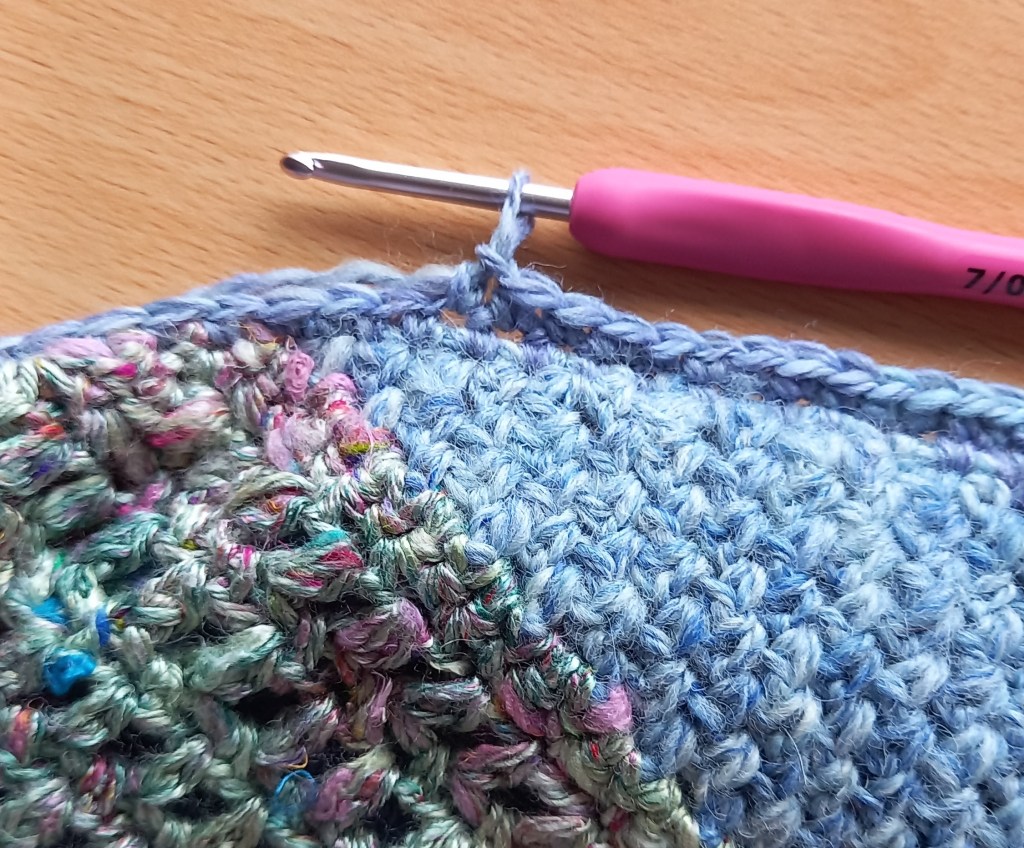
My mum taught me to knit and crochet when I was around nine years old. My dad still has the first wonky piece of knitting I made—later fashioned into an envelope for his cufflinks. It’s no surprise that I still hold my knitting needles the way my mum did, but my crochet style has evolved. As I got older, I came across a book that showed how to control yarn tension through the non-dominant hand, and the difference was immediate—my stitches became more even, more consistent.

A quick look at platforms like TikTok or YouTube shows just how many variations there are. Every crocheter holds their hook and yarn differently. What I’ve learned is that there’s no single “correct” way—only the way that works for you.

One lesson that stayed with me came from a Christmas project I took on rather ambitiously: a knitted twinset for my mother-in-law. It took an age to complete, but she loved it. A few days later, when we visited, she was wearing it—and it looked even better than I remembered. She had blocked it. I had never blocked anything before and hadn’t realised that something as simple as soaking and shaping could transform a finished piece so completely. That was a turning point: a small technique, but a lasting lesson.

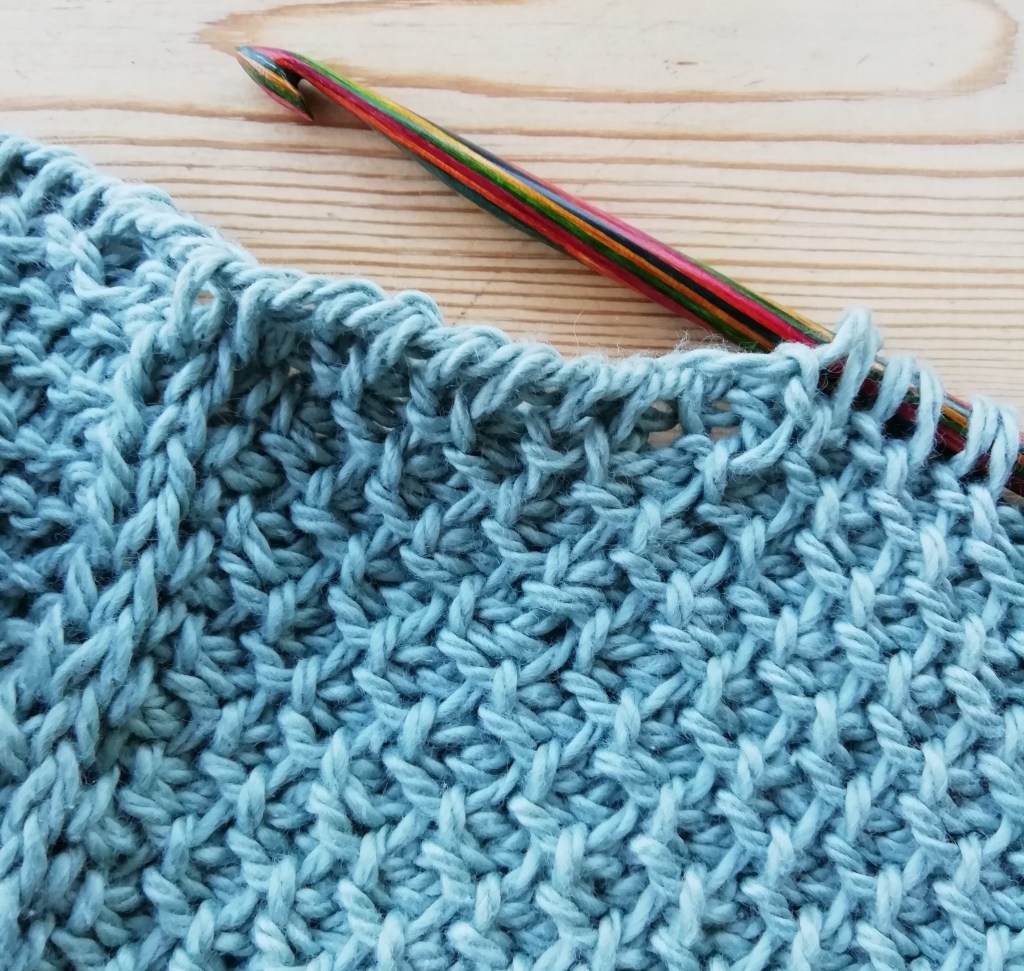
During the pandemic lockdowns, I learned Tunisian crochet—partly from a book, but mostly by watching Toni Lipsey on YouTube. It’s a relatively accessible craft, especially if you already crochet, yet I often hear people say, “Oh, I don’t know how to do that,” as though that’s the end of the conversation. If there’s one thing I’ve learned, it’s not to stop there. Curiosity is often more important than confidence.

Spinning was another step into the unfamiliar. I started with a drop spindle—an inexpensive way to begin—and again relied on books and videos. But there comes a point where guidance really matters, and for that I’m very grateful to Zoe at Old School Crafts Minting, who helped me build both skill and confidence, whether using a spindle or an Ashford Traveller wheel.

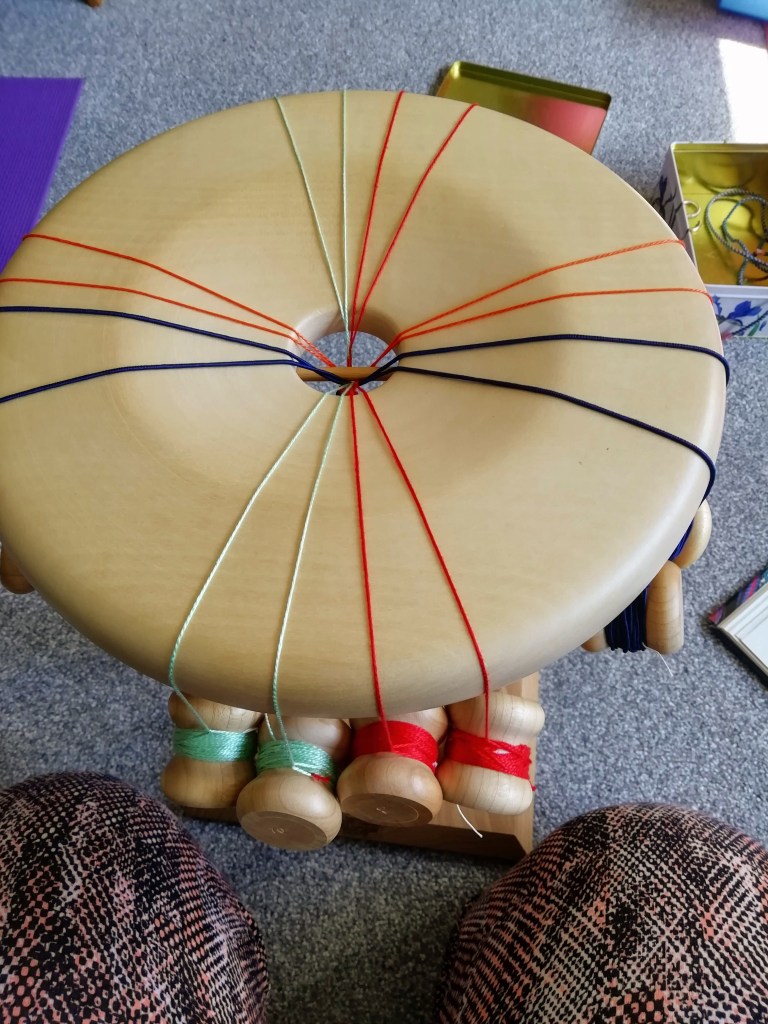
More recently, a visit to the Wonderwool Wales festival left me feeling inspired all over again. I’ve been curious about more freeform weaving for a while, and came home with an experimental kit for weaving on a circular ring. It’s far from perfect, but that’s part of the appeal. It’s also a satisfying way to use up shorter lengths of yarn that might otherwise sit forgotten.

Looking back, the most valuable thing I’ve learned is to be willing—to try, to experiment, and to accept that not everything has to be perfect, whether it’s your first attempt or your twentieth. I’ve learned that instructions are a starting point, not a set of rules, and that developing your own style takes time.

What I’m still learning—perhaps more slowly—is what to let go of: comparing my work to others, giving too much space to my inner critic, and starting new projects before finishing the ones already in progress.

“I don’t do this the way I used to…”—and that, I think, is the point.

Happy crafting

Sue

Texture and Structure

In my last post, I wrote about colour. This time, I want to explore texture and structure—the physical qualities that shape how a piece looks, feels, and is ultimately used.

I mainly crochet using commercial yarns, which tend to fall into two broad categories: smooth and predictable, or highly textured. I almost always choose the former. I’ve realised this is because I like to be in control of where the texture sits within my work. When the yarn itself is very textured, that choice is already made for me.

Those heavily textured yarns are often acrylic, which I increasingly try to avoid. That said, in the spirit of reducing waste, I’ll happily use any yarn in the weft of my weaving. In that context, unpredictability becomes a strength—thick-and-thin textures can add real interest and depth.

An exception to my preference for control is my own handspun yarn. As I’m still developing that skill, my yarn is naturally a little uneven—but that unevenness is part of its charm. Recently, I spun some combed tops with sari silk, and the resulting slubs were beautiful. Yarns like that feel best suited to weaving, where their texture can really shine.

When I do choose smooth commercial yarns, the texture comes from the stitches themselves. With a fine mercerised cotton such as Scheepjes Sugar Rush, I can create detailed surface interest using popcorn stitches, back loops, and post stitches. I often turn to Grace Fearon’s designs for inspiration—her mandalas are intricate and absorbing, and I enjoy making them simply for the pleasure of the process.

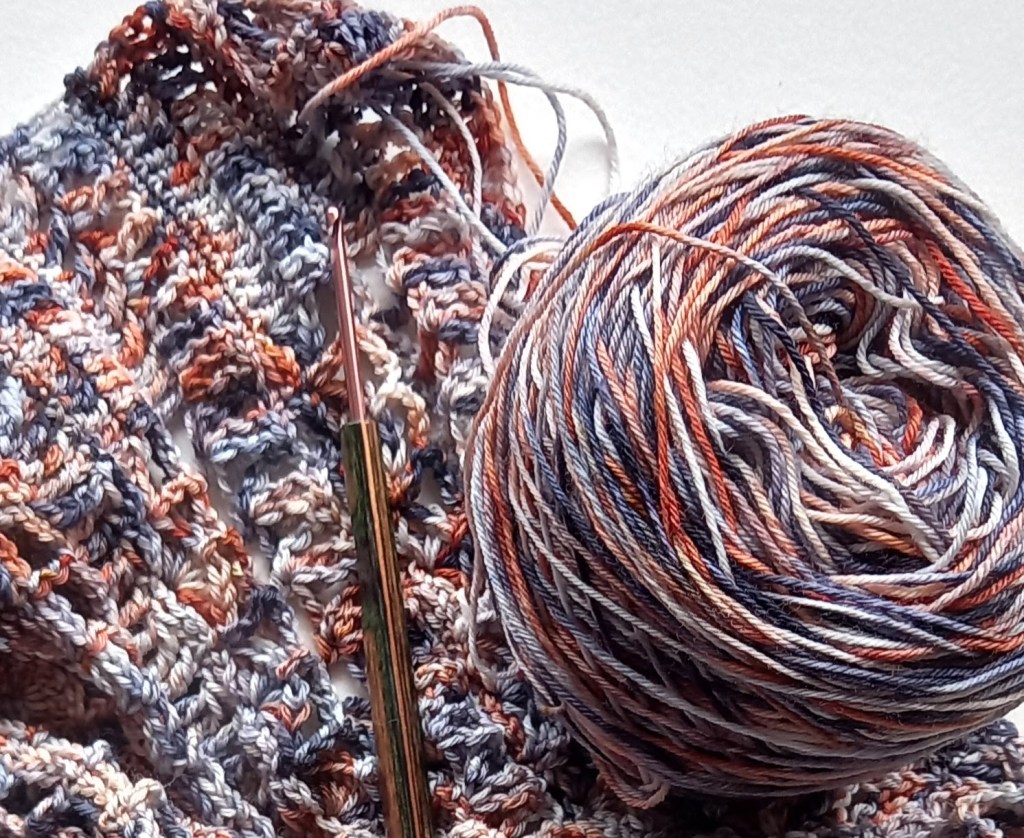
I also use a lot of gradient yarns in 3-ply or fingering weight. These naturally lend themselves to more open structures—spiders, fans, and chain spaces—that create a soft drape. The result is usually a shawl or wrap: something light, elegant, and easy to wear on a cooler evening.

For Tunisian crochet, I tend to reach for a DK weight yarn. Here, texture might come from bobbles or a honeycomb stitch pattern, offering anything from bold definition to subtle surface detail.

Aran weight yarn is another favourite—partly because it grows quickly, but also because of its versatility. Worked densely, it creates a warm, textured fabric perfect for blankets. Worked more openly, the same yarn can produce a shawl with surprising drape and movement.

Texture and structure are not just design choices—they influence how a piece feels in the hand, how it behaves when worn, and how it fits into everyday life. For me, they are as important as colour, and just as personal.

Happy crafting

Colour Stories

In my last post, I wrote about tools as companions. This time, I want to talk about the colours I choose—and those I tend to avoid.

When I first learned to knit and crochet, and to read a pattern, I always used the colours shown. Partly because I knew they worked—they were often what drew me to the design in the first place—and partly because I didn’t yet have the confidence to choose differently.

Later, as a young mum, I was fortunate enough to complete a City and Guilds course in Design and Embroidery. That experience changed everything. I discovered that colour could be playful, surprising, even a little daring. I learned that mixing and blending shades could create something entirely new—and that nothing is ever truly wasted. Even the things that don’t work out can be taken apart, reimagined, and used again.

I think that freedom has stayed with me.

Purple has always been my ‘go-to’ colour. If I’m ever unsure where to begin, I start there. One of my early designs paired a rich purple with jade green—a combination I still love. A quick glance at a colour wheel shows they sit opposite each other, and I’ve often returned to that balance of contrast and harmony in my work.

Sometimes, when I’m lucky enough to work to a brief, the colours are chosen for me. While that can feel limiting at first, it often leads me somewhere unexpected—combinations I might never have picked, but which come together beautifully.

I also love the quiet magic of gradient yarns, where one shade gently becomes another, shifting the whole mood of a piece without any effort on my part.

And then there are the impulse purchases—the skeins that are simply too beautiful to leave behind. Those often sit for a while before revealing what they want to become. I’ve learned not to rush that process.

There are still colours I feel less at home with. Red, for instance, has never been an easy choice for me. But I’m beginning to explore it more, especially in blends where it softens into orange or deepens into something richer. Perhaps it’s just a matter of time.

Weaving, too, has taught me that colour behaves differently depending on how it’s used. The interplay between warp and weft can soften, sharpen, or completely transform a palette. Colours you expect to dominate may recede, while quieter tones come forward.

In the end, I think colour is deeply personal. There are no right or wrong choices—only the ones that resonate with you.

Whatever colours make you smile, those are the ones to use.

Happy crafting

Tools as Companions

In my last post, I wrote about slow making. This time, I want to talk about the tools that make that possible—the quiet companions that sit in our hands and shape what we create.

Mostly, I crochet. My mum taught me when I was about nine years old, showing me how to form chains with a slim metal hook. For years, those narrow hooks—sometimes metal, sometimes plastic—were all I used. I didn’t realise there were alternatives.

Then I discovered hooks with cushioned, shaped grips.

I started with KnitPro, as they were the most affordable, and gradually moved on to Clover Amour hooks. I even tried Tulip Etimo—beautiful, comfortable, and a pleasure to use. For a long time, I coveted a Furls hook. They look so elegant. I was lucky enough to receive one as a birthday gift from my daughter… but sadly (and I do mean sadly), it was simply too long for my small hands.

That was when I truly understood just how much variation there is in crochet hooks—and how personal the “right” tool can be.

Finding hooks that suit your hands is a game-changer. My advice? Start with the size you use most often and try different styles. You can always build your collection slowly. Of course, the temptation to buy a full matching set is real—I’m certainly not immune. The Knitter’s Pride Terra set somehow made its way into my basket one day, and I absolutely adore the wooden handles.

Some years ago, while browsing in my local wool shop, I came across a display of unusual hooks in beautiful colours. When I asked what they were for, I was introduced to Tunisian crochet—a technique I knew nothing about at the time.

Then the Covid lockdowns arrived, and suddenly I had the time to explore.

Tunisian hooks are either long, or shorter with a cable attached. I began with the KnitPro Symfonie interchangeable hooks (drawn in, I admit, by their colours). Over time, my collection has grown: a set of KnitPro Ginger hooks from my husband, which I love; a smaller set of Lantern Moon hooks, which come with the best cable key I’ve ever used; and an assortment of long, double-ended KnitPro Trendz hooks.

I also spin, and I’m the proud owner of an Ashford Traveller 3 spinning wheel. It’s a beautiful piece of equipment, and spinning with it feels both productive and meditative. I began with a simple drop spindle, which is still a wonderful, portable way to spin, but the wheel allows me to create yarn more efficiently while still enjoying the rhythm of the process.

Once the yarn is spun, I turn skeins into usable cakes using a yarn swift and a ball winder. Mine are the simplest (and cheapest) I could find—but they do their job perfectly well. Not every tool needs to be luxurious to be loved.

When it comes to weaving, alongside my rigid heddle loom and shuttles, the most unexpectedly useful item I own is a small wheeled trolley. It holds all my bits and pieces, moves easily to wherever I’m working, and—crucially—has space for a mug of coffee.

Because sometimes, the most valuable tools aren’t the obvious ones.

Over time, I’ve come to think of my tools not just as equipment, but as companions. Each has its own feel, its own purpose, and its own place in the rhythm of making.

Whatever tools you reach for, may they serve you well—and may they bring you joy in the making.

Happy crafting.

Slowness

In my last blog post I wrote about rhythm and routine. This time, I want to linger a little longer on something closely related: slow making.

Making things with yarn makes me happy. Crochet, spinning and weaving — my preferred methods of making — are, by their very nature, slow. No matter how urgent the project or how close the deadline, if something is going to be made well, it takes time. There is something quietly grounding about sitting down and picking up a project. Your breathing slows. Your shoulders soften. Your focus narrows to yarn and hook, fibre and spindle. Slowness isn’t a weakness in the process; it is the process.

Whenever I try to rush, it rarely ends well. I’ll spot a fairly calamitous mistake six inches back and end up “frogging” everything done in haste. Yarn has a way of reminding you that care and patience matter.

If you’ve seen my social media this week, it might look as though everything has happened at once. Two patterns released. A design published in a magazine. Very productive. Very busy.

But none of it was fast.

A magazine commission

The current issue of Simply Crochet includes a scarf pattern I designed. The initial concept was sent to the editor in June 2025. Colours and yarn were agreed. The deadline for submission was December 1st. After that, the pattern was tech edited, the scarf was modelled and photographed, and the issue was published in February 2026.

From idea to publication: eight months.

Sometimes deadlines are shorter, sometimes longer, but the principle remains the same. The making must be careful. The pattern writing must be clear and accurate. Time has to be budgeted generously and realistically.

And I will admit — it is always a thrill to see my work professionally styled, modelled and photographed. That part never gets old.

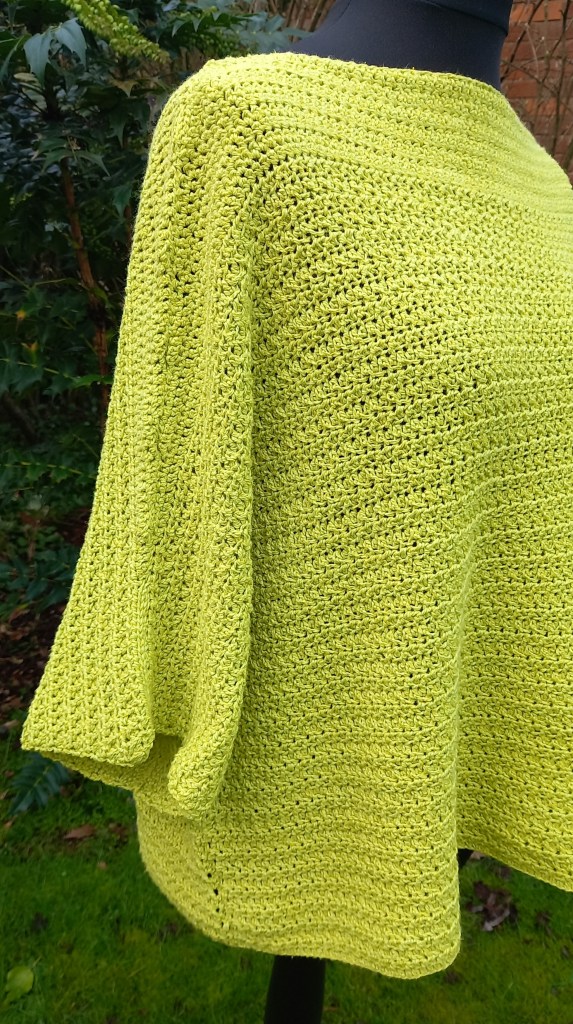
Pistachio Breeze Top

One of the patterns I released this week, the Pistachio Breeze Top, began life in November 2025.

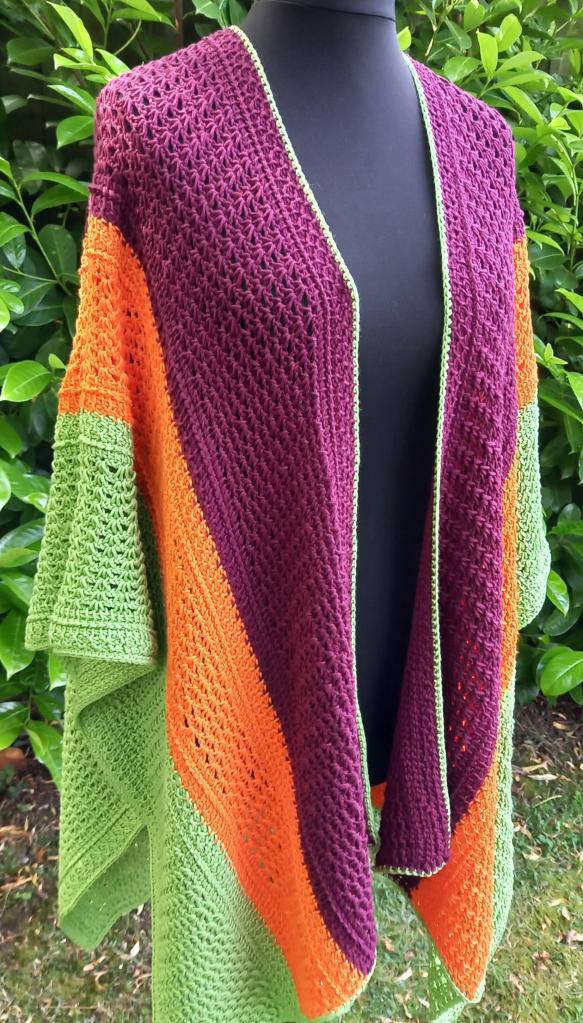
I had a picture in my mind: an oversized top in a very particular shade of green. I spent time browsing yarns, considering weight and fibre content. Once I settled on the right yarn, I sampled. I sketched. I even cut the shape out of brown paper to create a template to work from.

From first spark of an idea to finished design, it took almost four months.

That is the reality behind what looks like a single “new release” post.

Every Last Scrap Cowl

The second pattern, the Every Last Scrap Cowl, is smaller — but no less slow in its origins.

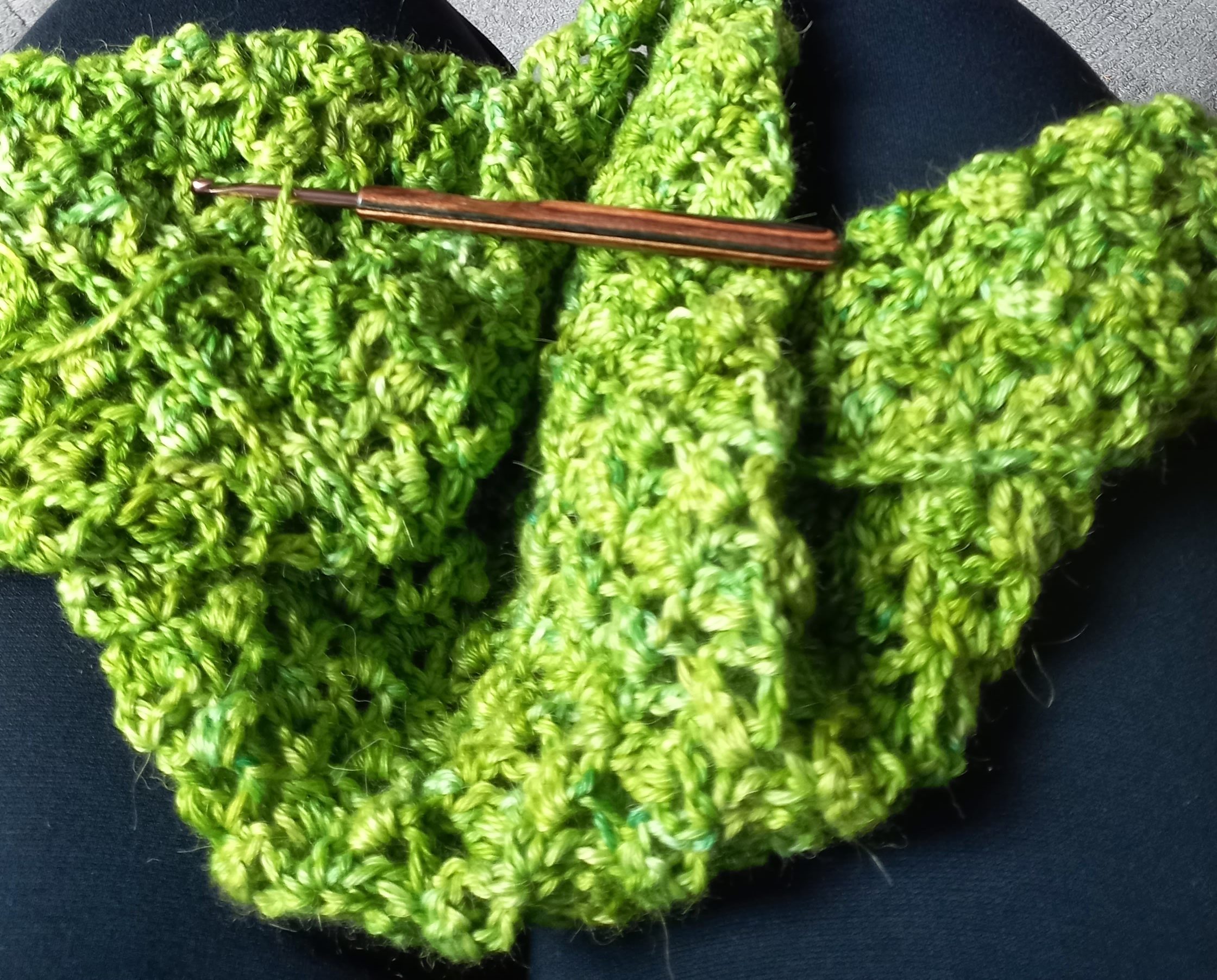
The yarn is entirely handspun. Over half of it came from a Yorkshire Blends sample box bought from Wingham Wools in January. As part of my ongoing quest to improve my spinning, I spent a lovely morning at Old School Crafts Minting with Zoe, who showed me how to chain ply.

The spinning itself was slow and thoughtful. The design process was intentionally simple — I wanted the yarn to shine. The making felt joyful and, compared to the spinning, relatively quick over a couple of weeks.

The pattern is available free on my refreshed Free Crochet Hub page — a small celebration of using every last precious length of yarn.

A slow maker’s desk

I am, unapologetically, a slow crafter — and someone who always has several works in progress.

At the moment I have:

  • A scarf on my rigid heddle loom
  • A crochet shawl design in a glorious gradient yarn (for an intermediate crocheter)
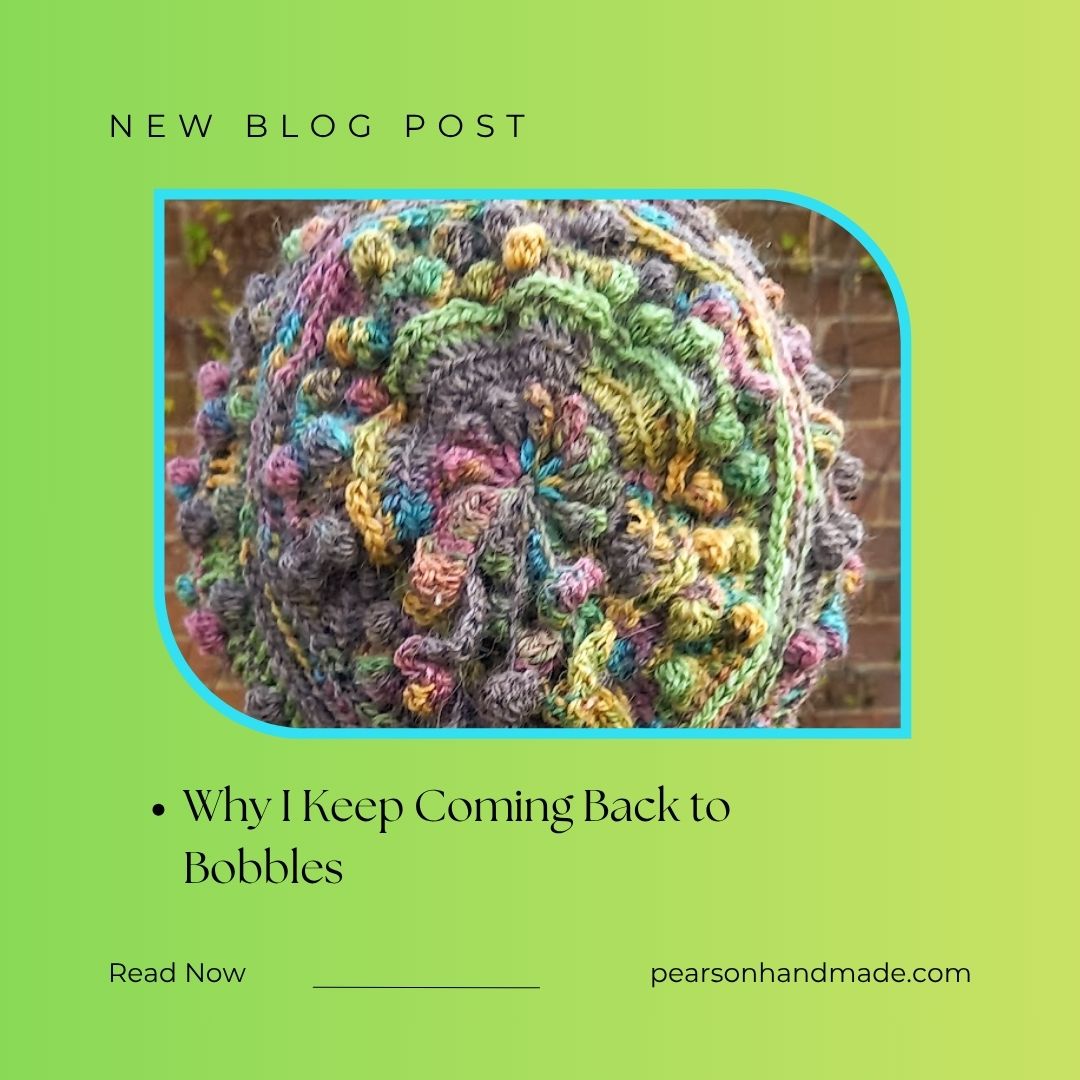
  • A bobble hat in testing (for a confident beginner)
  • A Tunisian crochet poncho design almost finished (for a confident beginner)
  • A moss stitch shawl design started purely for the pleasure of something gentle and undemanding

On the spinning wheel, I’m nearly at the end of a sample box from Adelaide Walker, a Christmas gift from my husband. I have no doubt those yarns will find their way into a future design.

Slowness doesn’t mean stagnation. It means depth. It means intention. It means allowing ideas to unfold at the pace they need.

And in a world that often feels rushed, I think that matters.

Happy crafting,
Sue

Creative Rhythm & Routine

Rhythm and Routine: How Creativity Fits into Daily Life

I’ve had a little break from blogging — you may have noticed — because life has simply been busy. But even when I’m not writing about creativity, I’m still living it. So this week I wanted to reflect on how creativity weaves its way through everyday life, even when the days feel full.

An Ideal Creative Day

Sometimes creativity is carefully planned; at other times it’s squeezed into the gaps of a hectic schedule.

On a day with fewer responsibilities, the rhythm might look like this: a little spinning after breakfast while listening to a podcast,

followed by time at the computer — catching up on media, submissions, pattern drafting and writing. Later, uninterrupted time to crochet and test a more complex design.

After lunch, I walk the dog (often when my best ideas arrive), then home for a hot drink and a focused session on a current magazine commission. If time allows, I’ll weave before starting dinner.

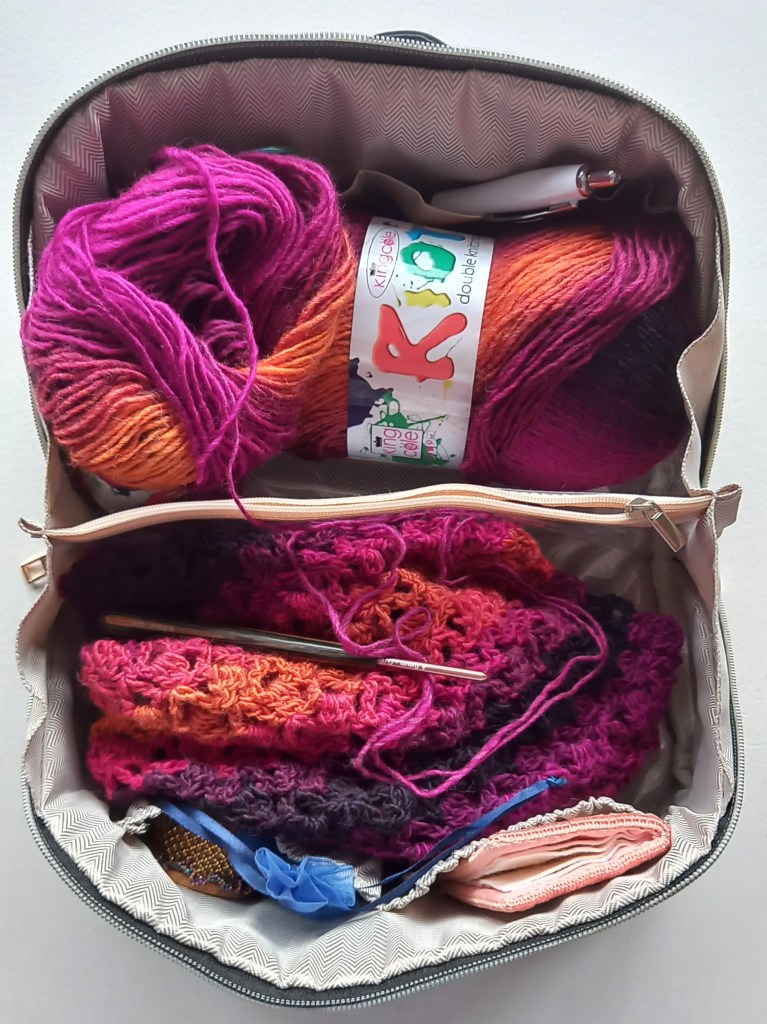
Evenings are gentler. I pick up what I call my “evening project” — crochet that doesn’t require too much mental bandwidth, so I can listen to the radio or watch television while my hands are busy working.

It’s not always like this, of course. But having a loose rhythm helps. Creativity doesn’t demand perfection — just presence.

Seasonal Creativity

Design advice often suggests working ahead of the season — thinking about Valentine’s Day in October, summer in January. I understand the logic, but I find I simply can’t do it.

I respond to the season I’m in. When the weather turns cold, I crave cosy aran makes. When the sun appears, I long for light, breezy wraps. My creativity follows the temperature, the light, and my mood.

That said, the reality of publishing means some projects begin months before they’re seen. Occasionally, this means I do publish “on time.” More often, I publish when the piece feels finished — whatever the date.

At the moment, I’m working on:

  • a cosy wool cowl (perfectly seasonal),
  • a lightweight wrap (the bright yarn was bought in summer and is cheering me through winter),
  • an aran poncho (again, seasonally satisfying),
  • and an enormous Tunisian crochet blanket commissioned by a magazine for summer publication.

And if I’m honest, after a rather miserable phone call this morning, I’m very tempted to begin something entirely new — a little creative displacement activity. Sometimes starting is soothing.

Creative Spaces

Over the years, as my family has grown and left home, my creative spaces have quietly expanded throughout the house.

My daughter’s old bedroom is technically my “craft room,” but projects live everywhere. The magazine commission blanket resides in the dining room. My evening crochet and spinning wheel are in the living room. The weaving loom has taken up a semi-permanent  residence on the kitchen table. The wardrobe in my son’s old room has been converted into yarn storage.

Creativity doesn’t stay neatly in one place — and I’ve stopped trying to contain it.

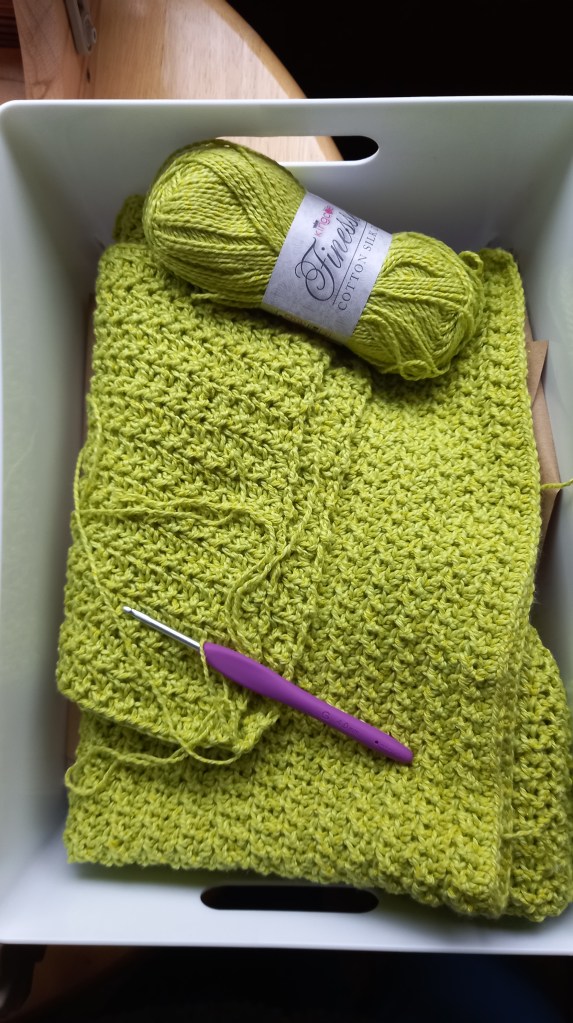
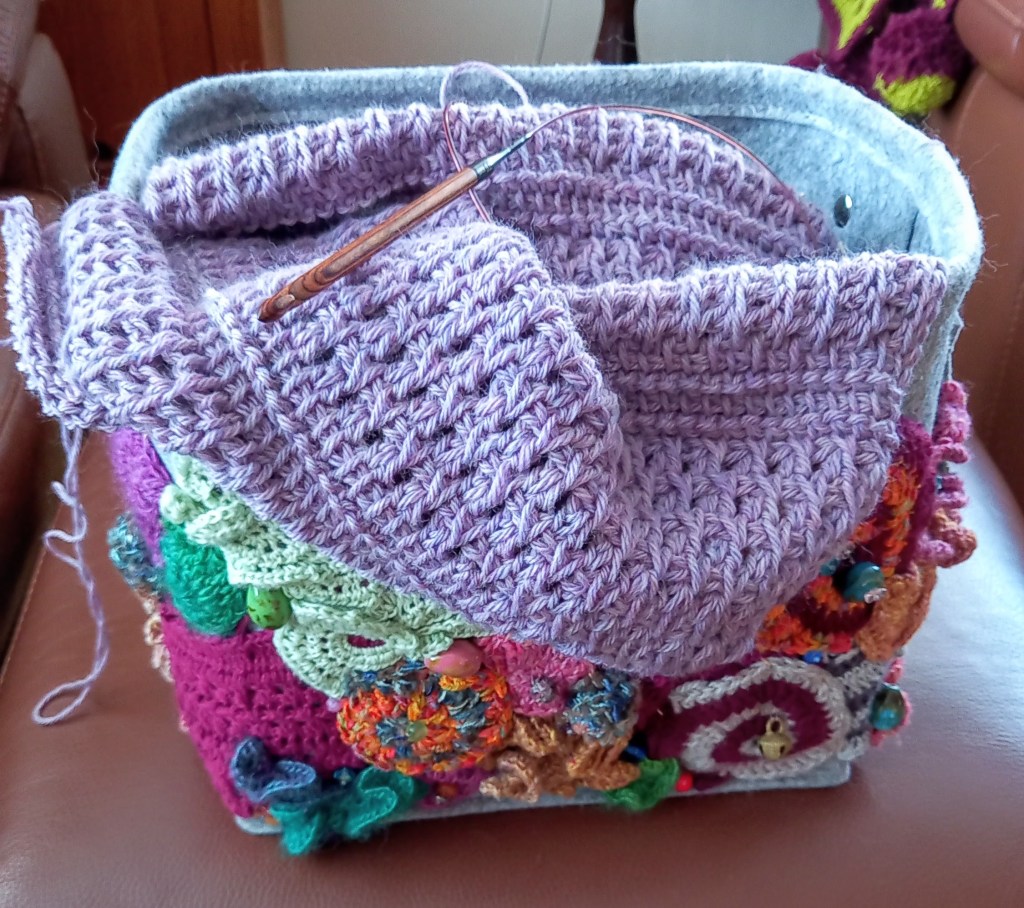
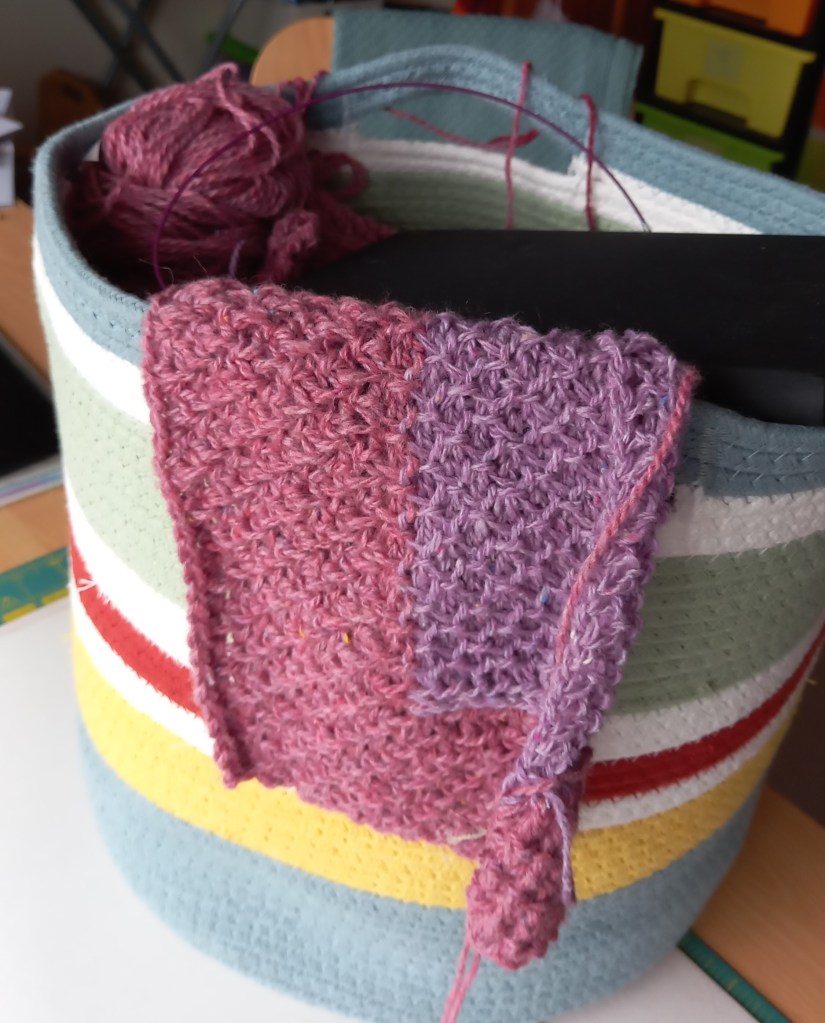
My advice? Always have a project to hand. Keep it in a crate or bag so you can move it easily. If a spare half hour appears, you’re ready. Those small, snatched moments add up. They form their own rhythm.

Returning to the Rhythm

After a blogging pause, I’m reminded that creativity doesn’t disappear when life gets busy — it simply changes pace. Sometimes it’s bold and productive; sometimes it’s quiet and restorative. Both count.

The important thing is to keep returning to it.

Happy crafting,
Sue