In my last post, I wrote about the importance of fibre when I’m choosing what to make. This time, I want to explore some of the things I’ve learned since I started designing crochet patterns and weaving.
When I first began, I assumed that most of what I needed to learn would be about stitches, yarn, and techniques. While those things are certainly important, some of the biggest lessons have come from entirely unexpected directions.
1. Gauge Really Does Matter
Let’s start with gauge: that line in every good pattern that tells you how many stitches and rows should fit into a specific measurement. It’s also the line that many people are tempted to skip over.
As a designer, I tend to create items where gauge isn’t absolutely critical—blankets, throws, ponchos, shawls and wraps. If your tension is slightly different from mine, the finished item will still work. Even so, I always include gauge information because it helps people understand how the fabric should behave and gives the pattern a level of professionalism.
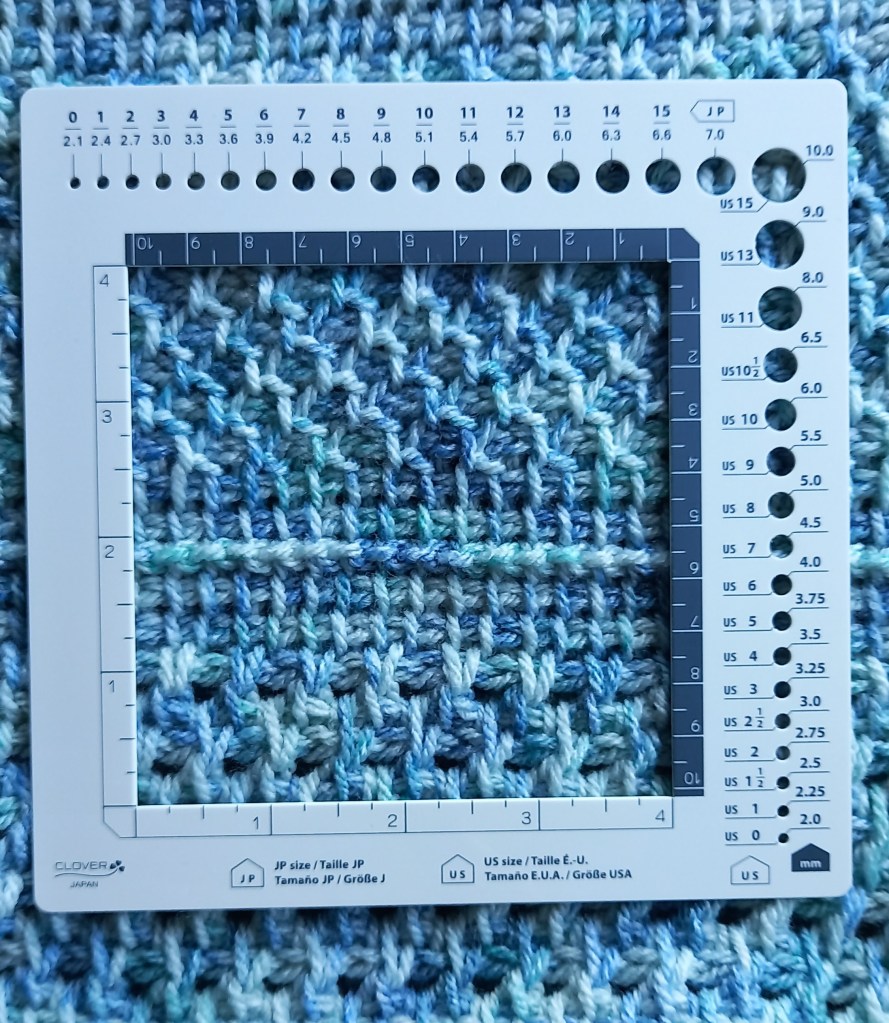
Where gauge becomes essential is in fitted garments. I don’t design those, but I do make them, and I always take the time to check my gauge first. It might feel like an extra step, but it’s far quicker than spending weeks making something that turns out to be two sizes too small—or large.
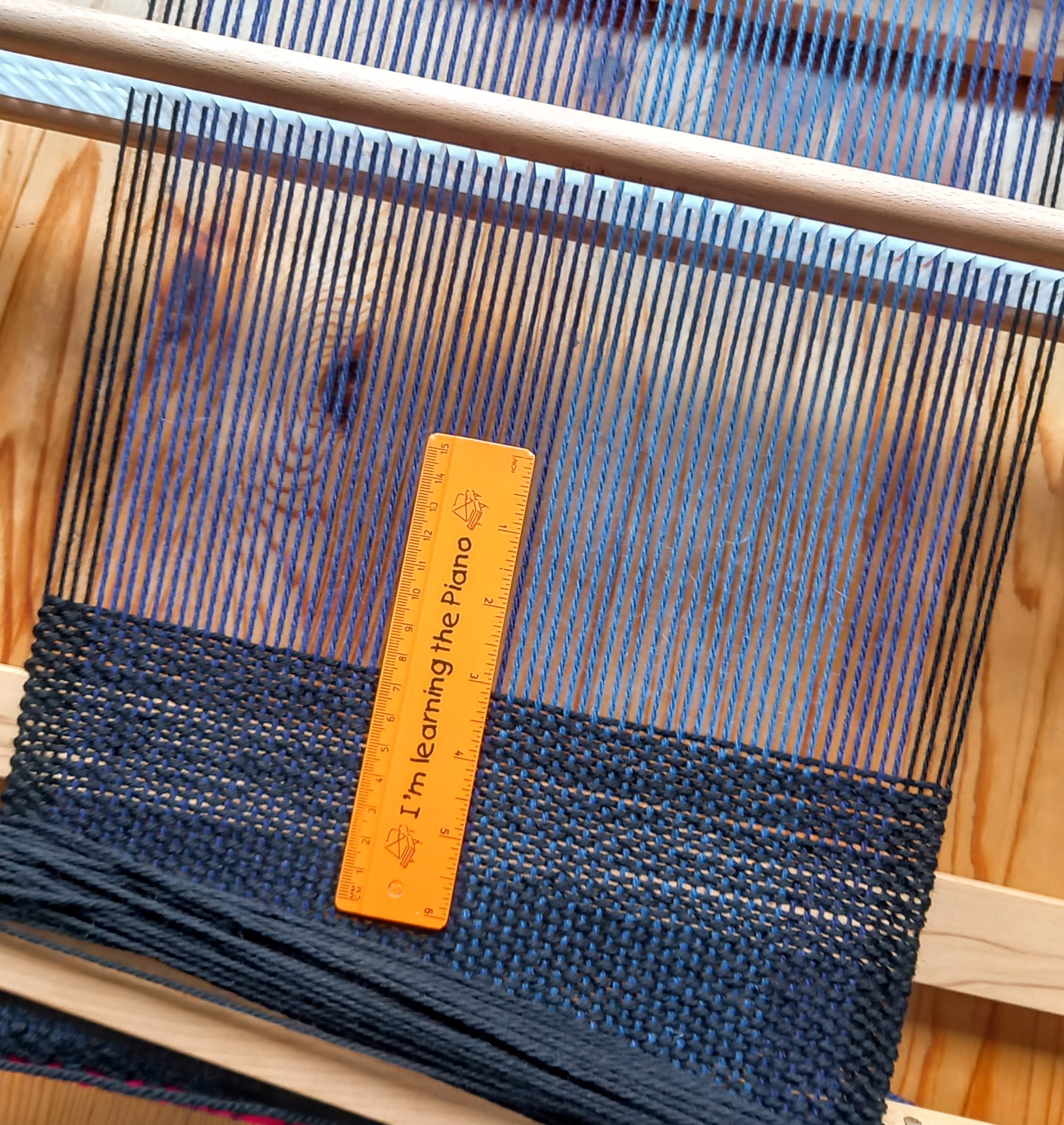
Weavers have their own version of gauge: picks per inch, which measures how many rows of weft yarn fit into an inch of cloth. I’ve learned that consistency is the key here. Keeping your picks per inch reasonably even throughout a project produces a balanced fabric without unexpectedly dense or loose areas. A small ruler tucked beside the loom can be surprisingly useful.
2. Writing a Pattern Is Harder Than Making the Item
Creating something with yarn and a hook is one skill. Explaining clearly how someone else can create the same thing is another entirely.
When I’m making a piece, I know what I mean and where I’m going next. The challenge comes when I have to write those decisions down in a way that makes sense to someone who has never seen the project before.
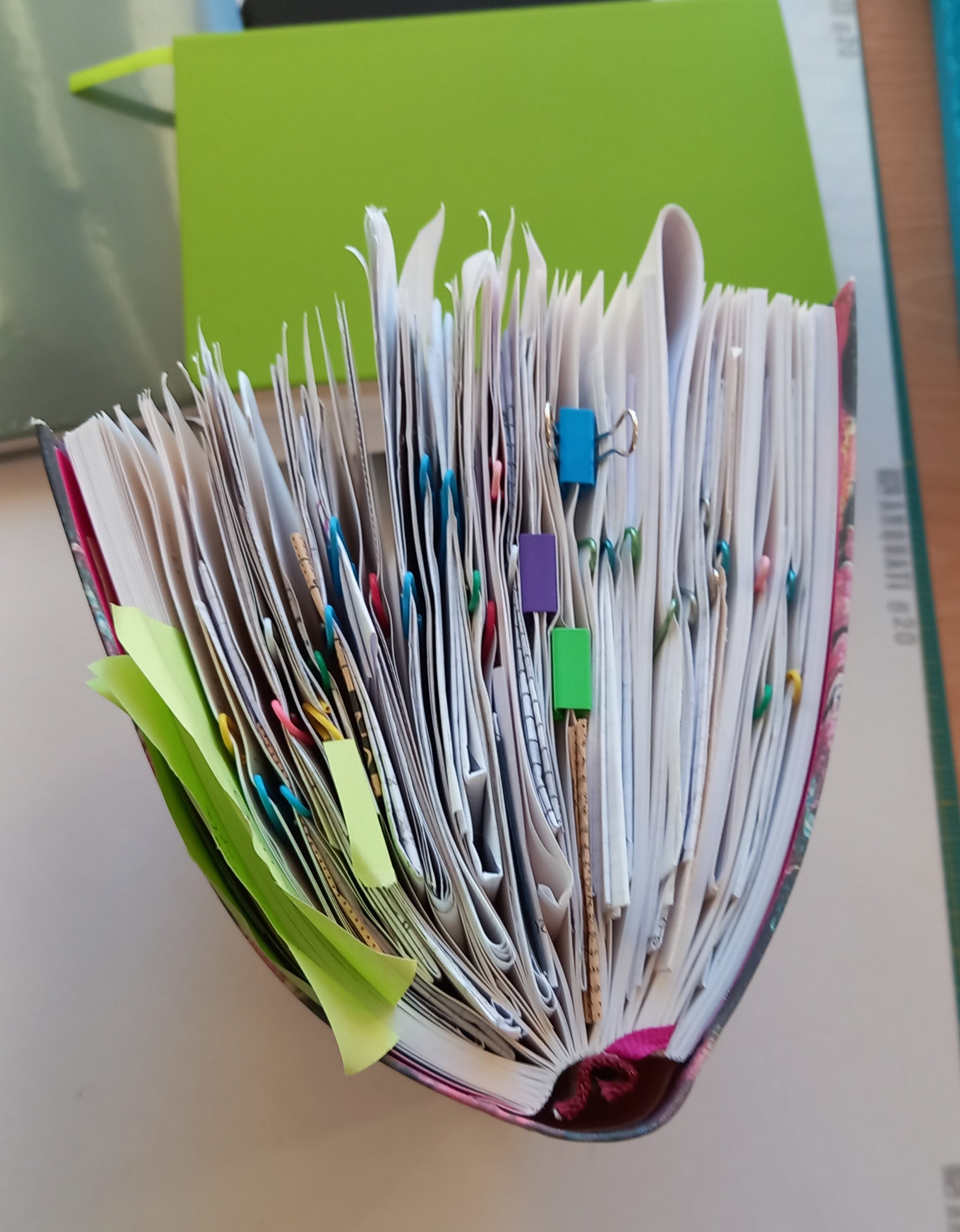
I’ve learned that good pattern writing is really about communication. Sometimes that means adding extra photographs. Sometimes it means drawing a chart to show stitch placement. Occasionally it means recording a short video demonstration.
When I first started designing, I never imagined I’d be learning how to edit photographs, create charts, or upload videos to YouTube. Yet all of those skills have become part of the process.
3. Simplicity Is Often More Difficult Than Complexity
One lesson that surprised me is that simple designs are not necessarily easier to create than complicated ones.
When a design contains lots of texture, colour changes, or intricate stitch patterns, small imperfections can disappear into the overall effect. A simple design has nowhere to hide. Every detail matters.
The same applies to pattern writing. Clear, straightforward instructions often take longer to write than complicated ones because they require careful thought and editing. I’ve learned that simplicity is usually the result of refinement rather than a lack of effort.
4. Photography Matters More Than I Expected
A beautiful design can easily be overlooked if the photographs don’t show it at its best.
I take all my photos using my phone and natural light. Early on, I discovered that artificial lighting can dramatically alter colours, especially pinks and oranges. Even now, I find myself watching the weather and the light, ready to dash outside with a project when conditions are just right.
I’ve also learned that bright sunshine isn’t always ideal. Soft, indirect light tends to reveal texture and colour far more accurately.
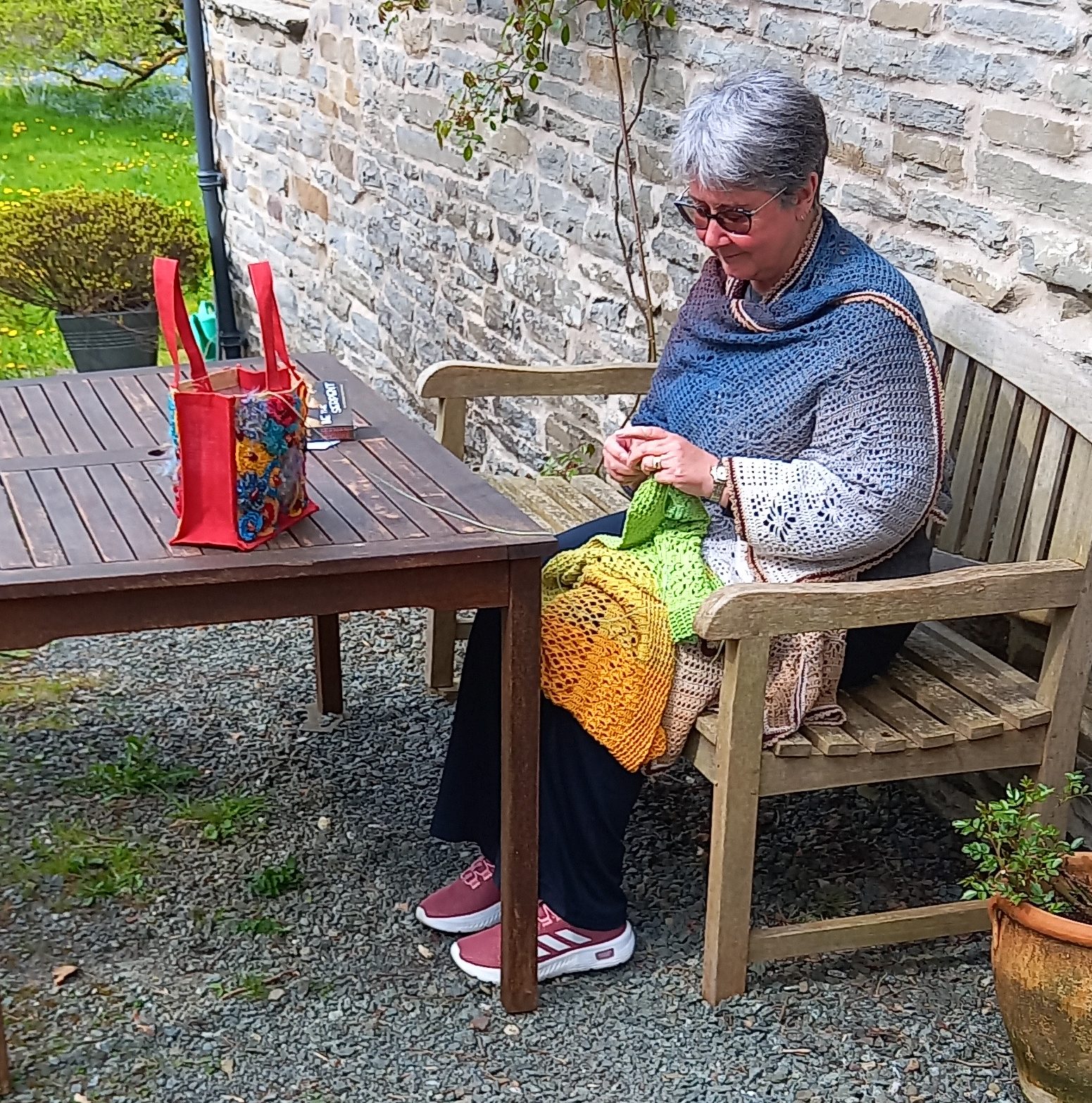
Perhaps the hardest lesson has been becoming comfortable in front of the camera myself. I’m much happier photographing yarn than being photographed wearing my own designs, but I’ve come to realise that people like seeing how a finished piece looks on a real person. It’s still a work in progress, but I’m getting there.
5. Everyone Crafts Differently
Perhaps the most important lesson of all is that there is no single “right” way to crochet or weave.
People hold their hooks differently. They tension yarn differently. They learn in different ways. Some love charts; others prefer written instructions. Some enjoy following a pattern exactly, while others use it as a starting point for their own creativity.
As a designer, that’s something I’ve learned to embrace. My job isn’t to tell people how they should make something. It’s to give them the tools and information they need to make it successfully in their own way.
Still Learning
Many of these lessons have come from books, workshops, fellow crafters, and sometimes from mistakes I’d rather not repeat. The funny thing about designing is that every new project teaches me something new.
That’s one of the reasons I enjoy it so much.
If you’re interested in quick tips and small lessons I’ve picked up along the way, I share a crafting tip every Monday on Facebook and Instagram. Why not pop over and take a look?
Happy crafting,
Sue


