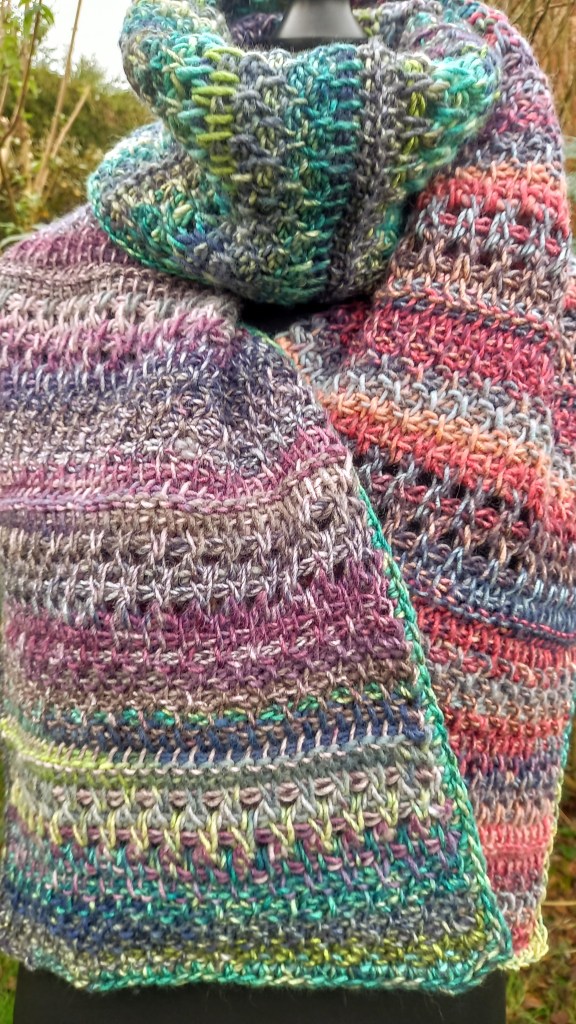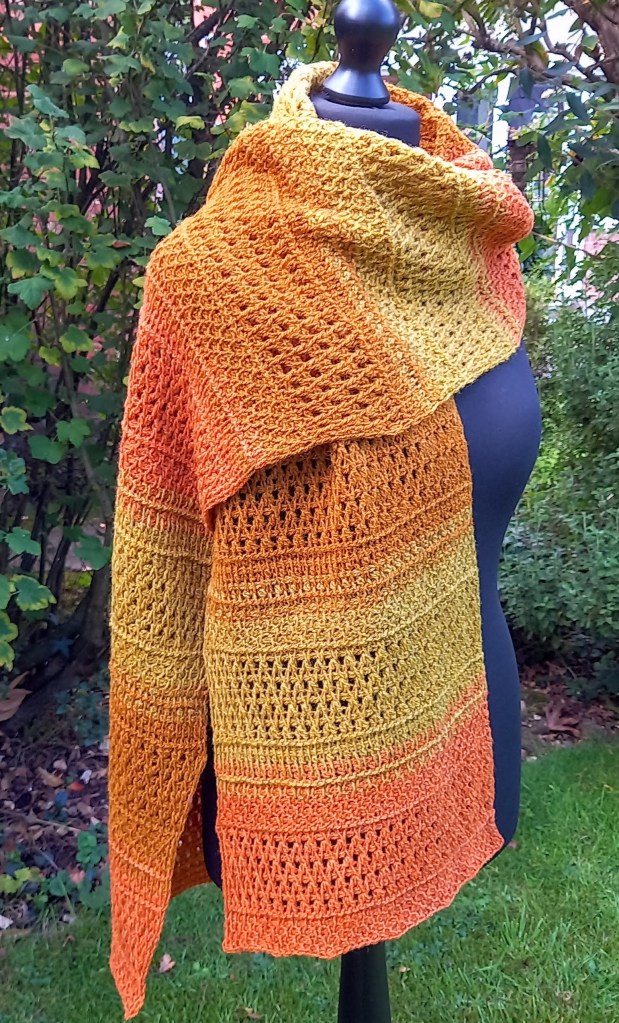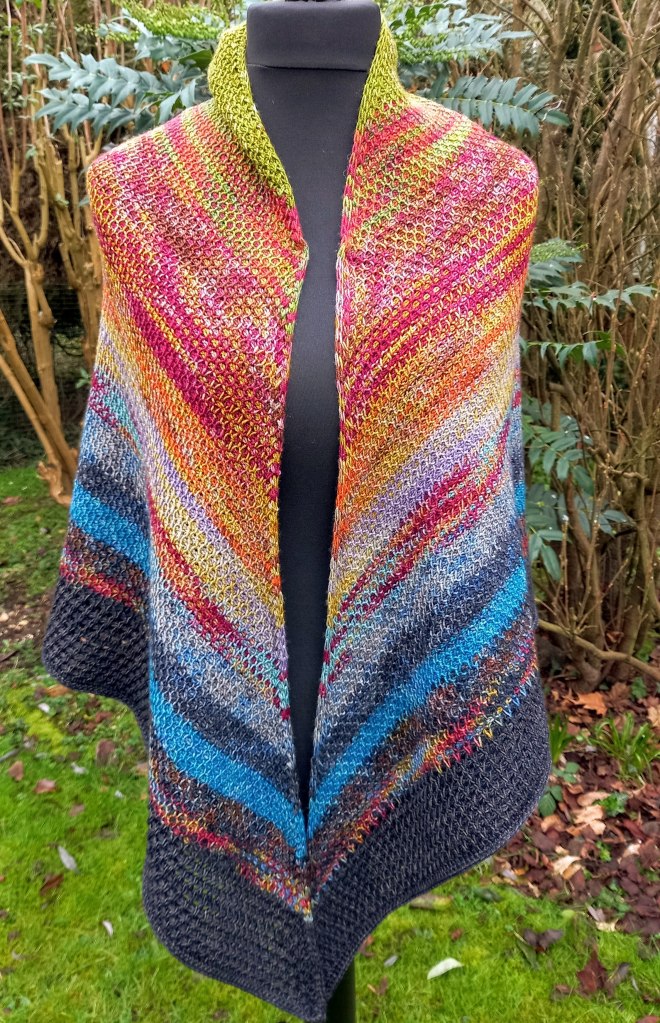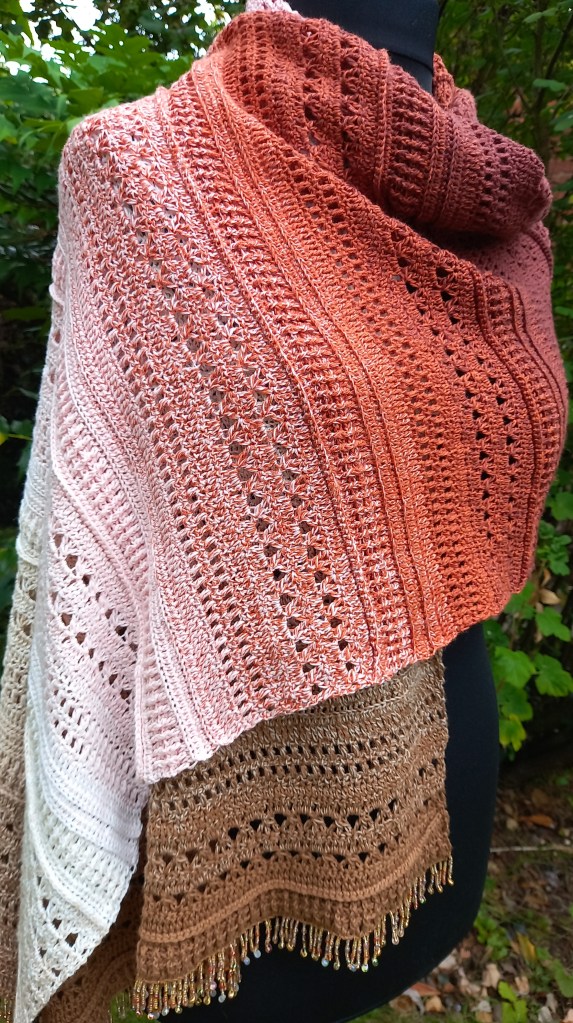
The Yarn Chooses the Project

In my last post, I wrote about why I choose to make the things I do. This time, I want to explore the part that yarn plays in generating ideas for a new project.

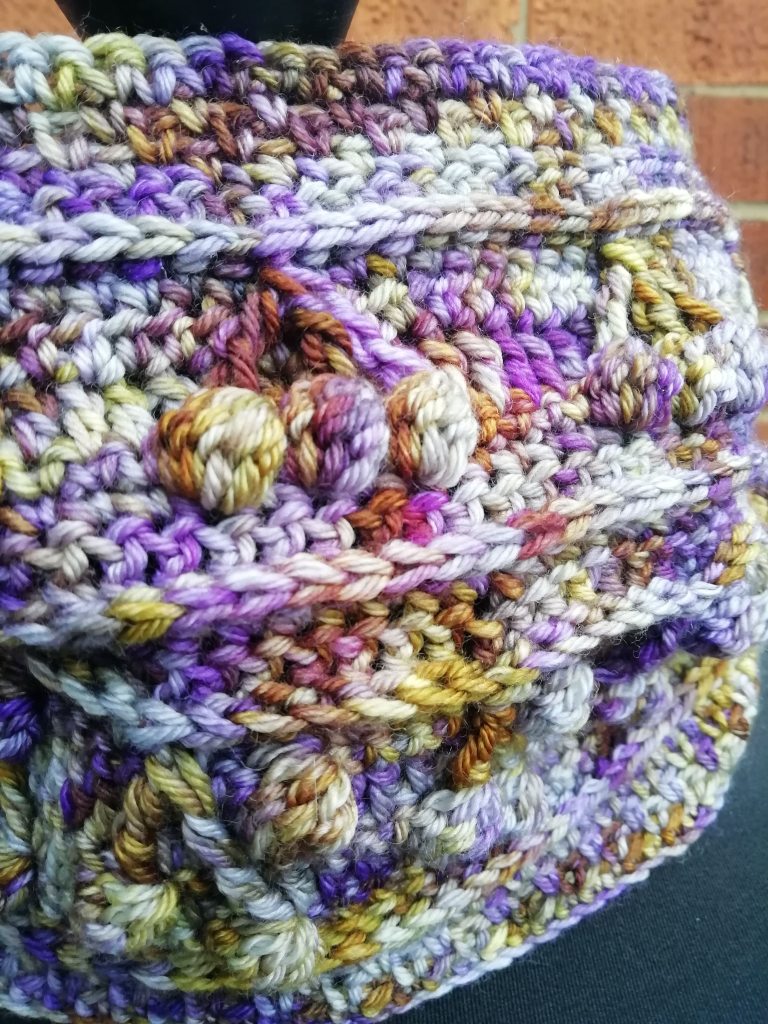
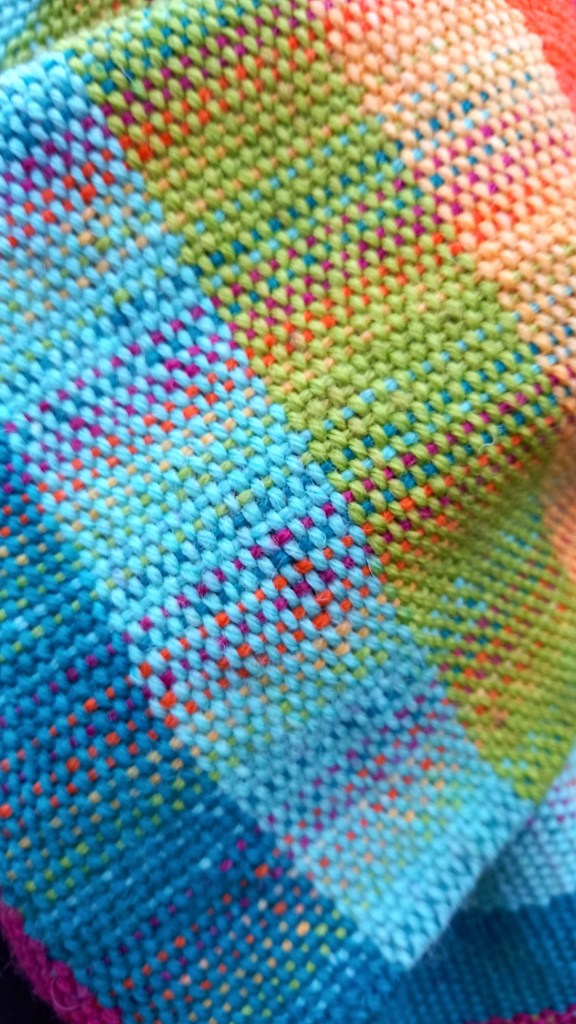
My stash has developed over time. Originally it was stored in a loose colour order and was full of leftover balls of yarn, gifted skeins, abandoned projects and those impulse purchases that simply couldn’t be left in the shop. As my business has evolved, from crochet design into weaving and now spinning my own yarn, my stash cupboard has changed too.

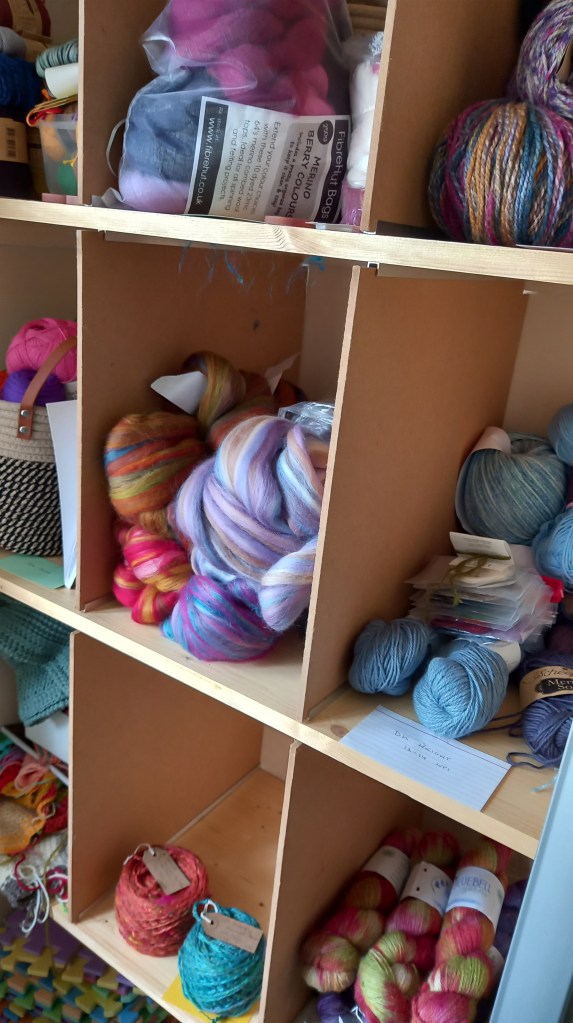
These days I organise everything by weight rather than colour. Much of the yarn I use is aran or double knit, while the yarn I spin myself usually comes out somewhere around double knit or worsted weight. I do, however, have a weakness for sock yarn. Those beautiful indie-dyed skeins and irresistible gradient cakes seem to find their way home with me far more often than I intend!
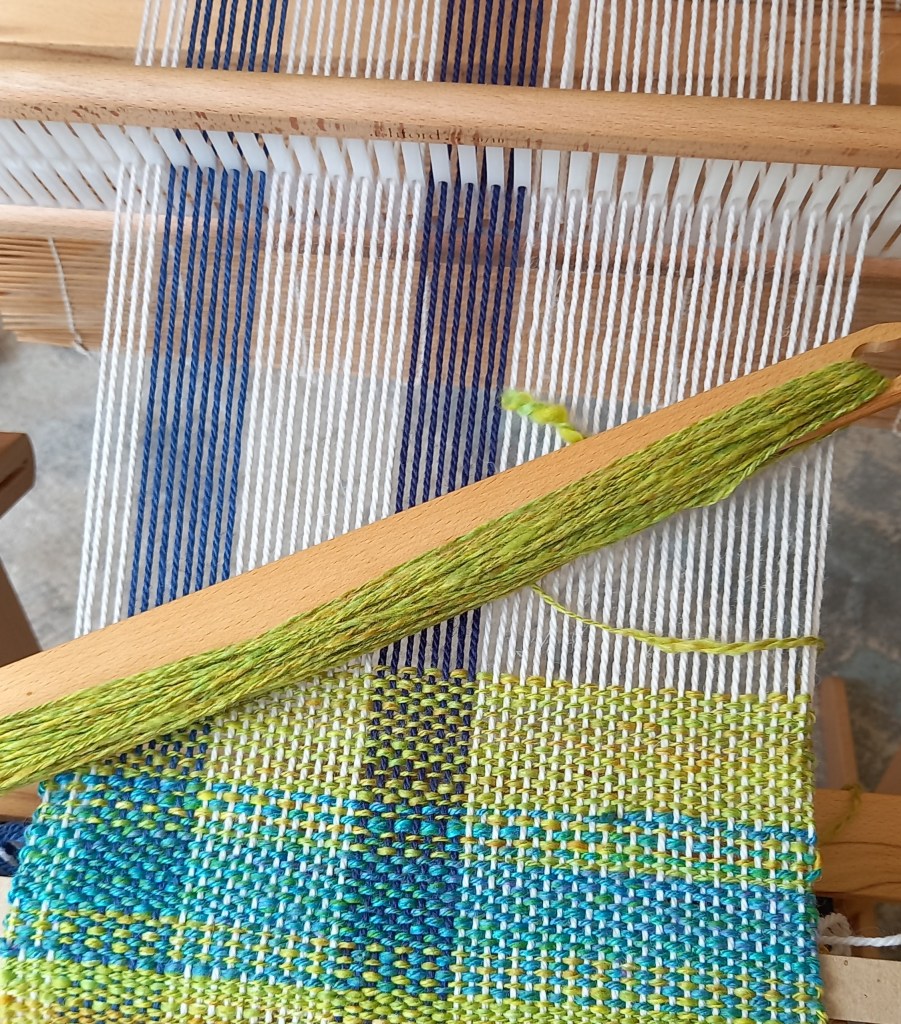
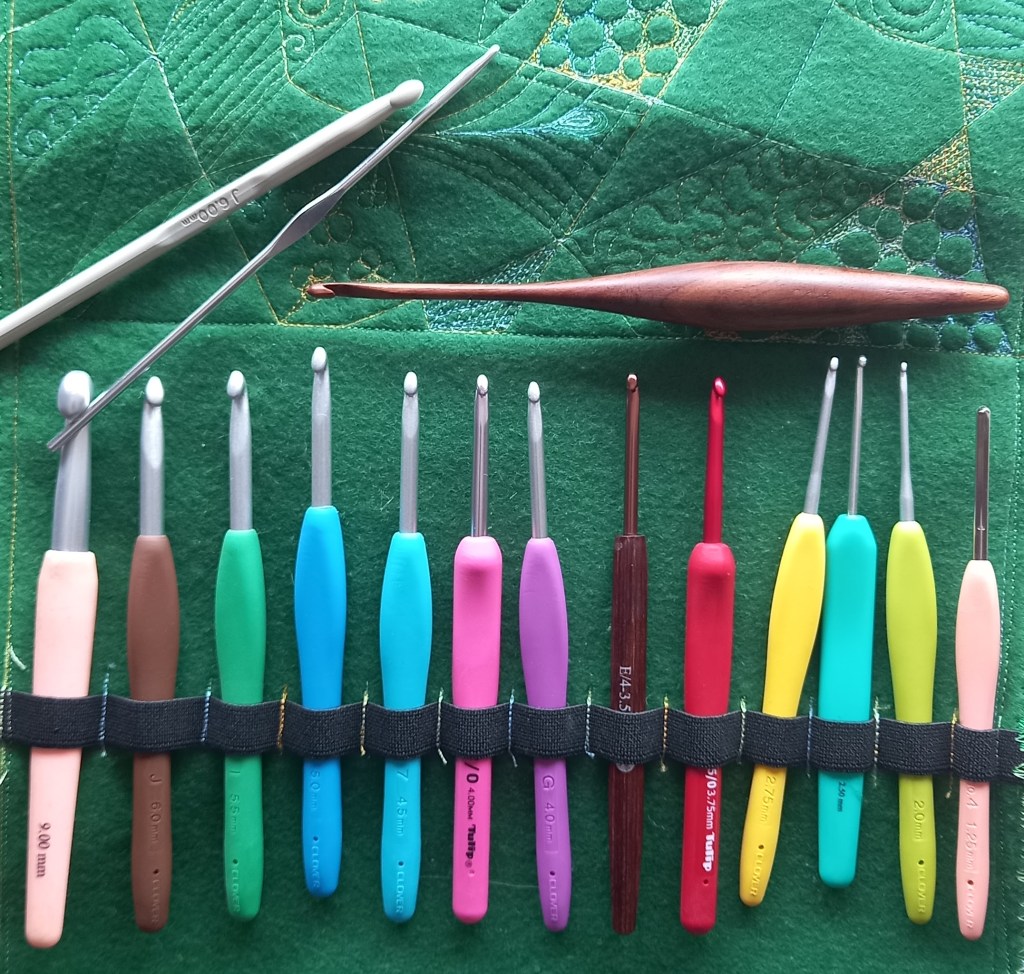
Organising my stash this way means that when an idea starts to form, I can reach straight for the right weight of yarn to sample with. The colour is less important than the structure and feel of the yarn for those first crochet samples. When weaving, I also tend to keep the warp to a consistent weight, while enjoying a little more freedom to experiment with different textures in the weft.

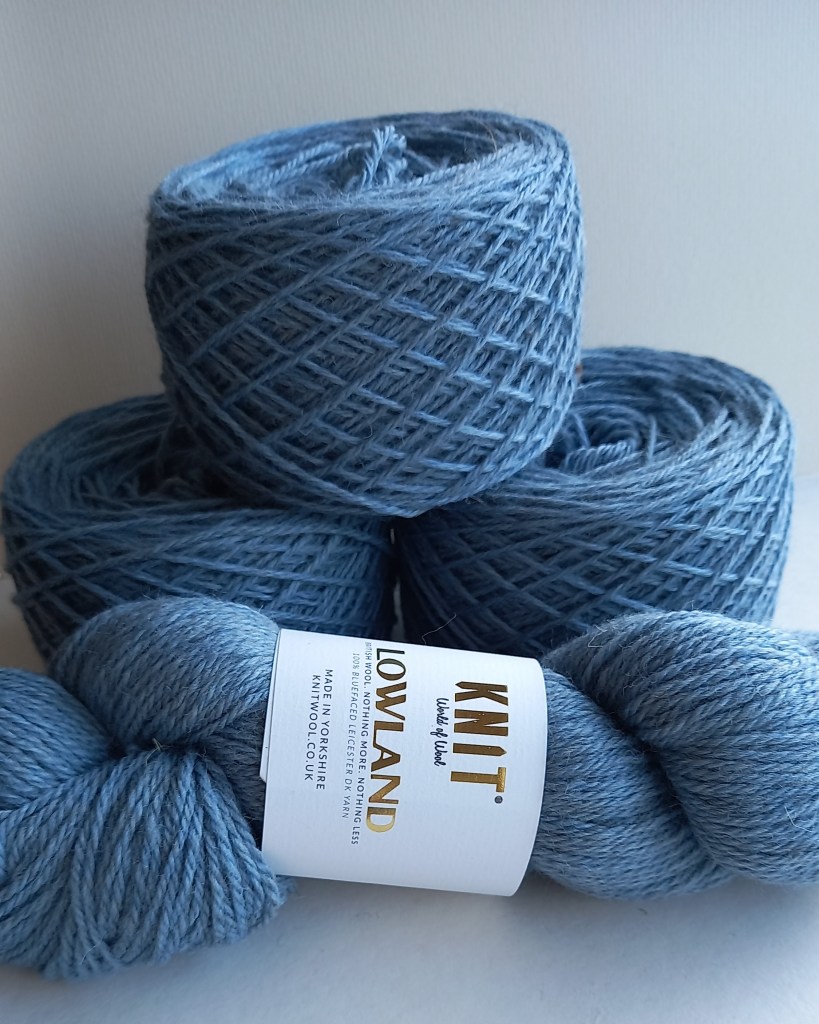
Since learning to spin, I have become something of a yarn snob. I spend a long time reading fibre content labels at shows and in yarn shops, looking for yarns with a higher proportion of natural fibres. They may cost a little more, but I find them a joy to work with.

More often than not, it is the fibre itself that suggests the project. A basket of wool or alpaca immediately makes me think of cosy shawls, wraps or throws for winter evenings, while bamboo, linen or cotton seem to call out for lighter designs such as picnic blankets or airy summer cover-ups. Sometimes I don’t choose the project at all – the yarn quietly chooses it for me.

If you’re as fascinated by fibres as I am, you might enjoy my weekly Tuesday “Focus on Fibre” posts on Instagram and Facebook. There is always something new to discover about the materials we love to work with.

What fibre do you find impossible to resist?  Whatever fibre you choose, I hope it brings you as much inspiration as it brings me.

Happy crafting,

Sue

Why I Make What I Make

In my last post, I wrote about mistakes. This time, I want to explore why I choose to make the things I do.

At its heart, I think I make because I need something for my hands to do. My family laugh because I can rarely sit down, whether alone or with other people, without pulling a project bag onto my lap. I like to joke that if my hands are busy with yarn then I can’t be eating biscuits, although we all know that isn’t entirely true.

My patterns tend to focus on functional items using simple shapes with plenty of texture because those are the projects I most enjoy making: scarves, shawls, cushions, hats and bags. I’m always drawn to pieces that are practical but still interesting to work on.

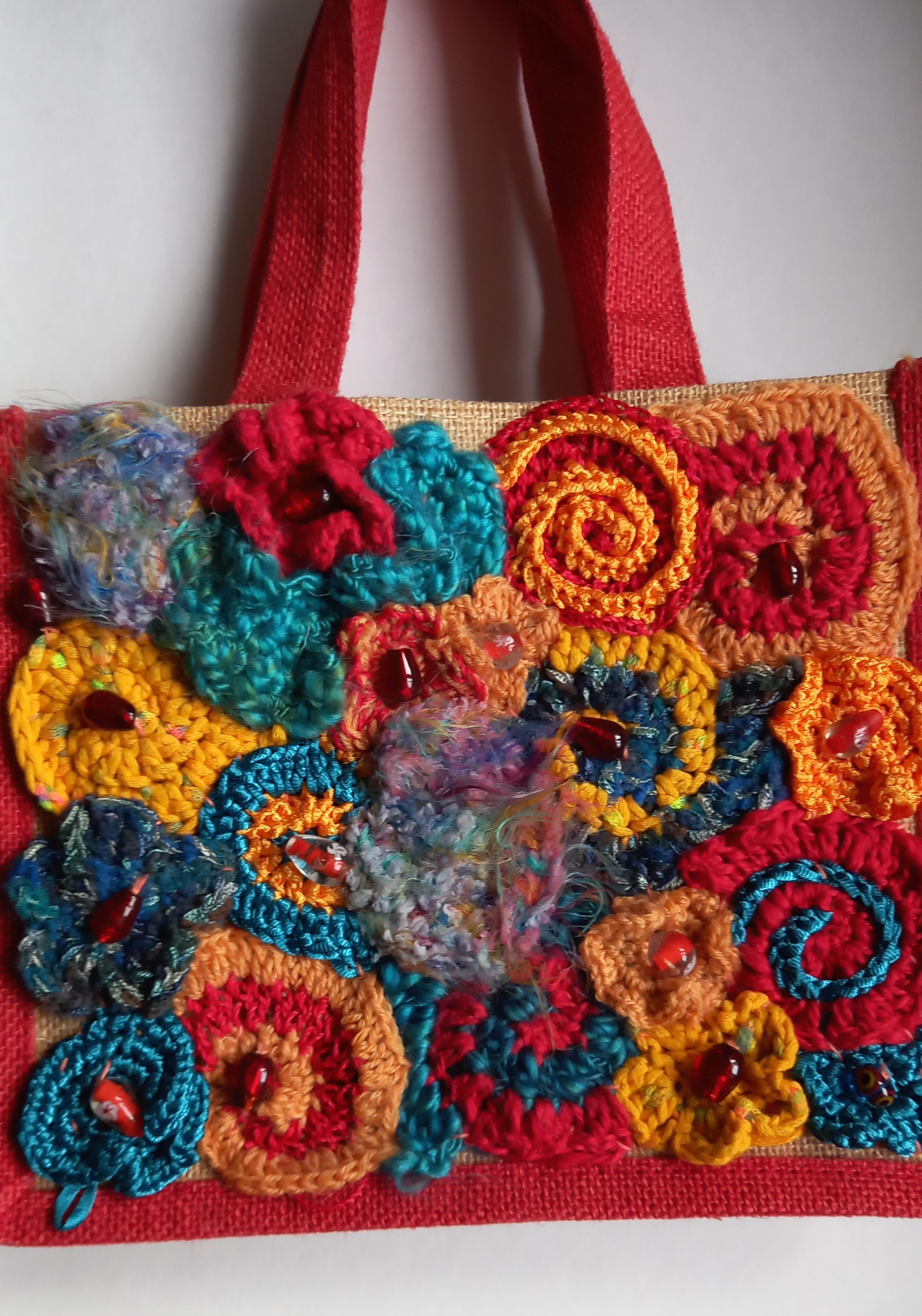
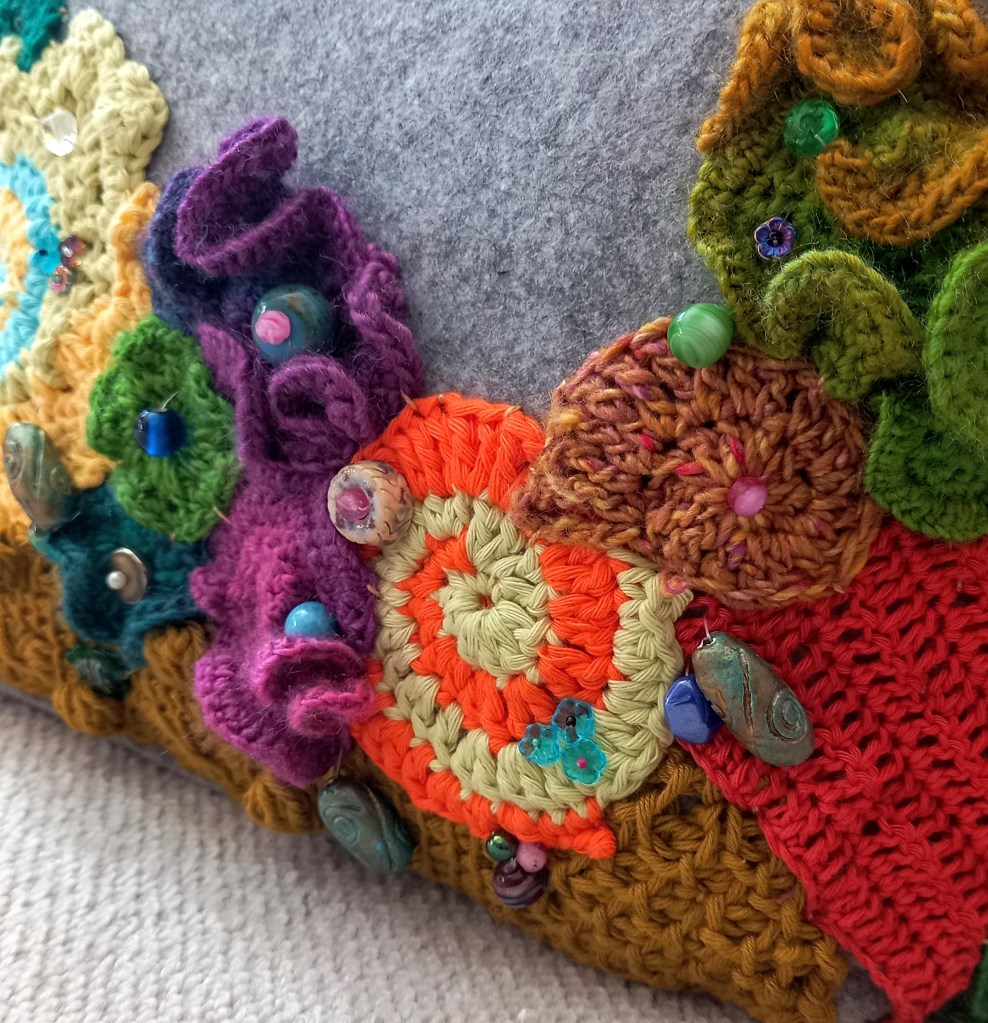
To reach a finished design, I usually create a collection of small samples to test stitches, textures and colour combinations. Some makers unravel their swatches and reuse the yarn immediately, but I prefer to keep mine until the project is complete. Afterwards, because I try to work with as little waste as possible, the samples often find their way into a freeform crochet piece instead.

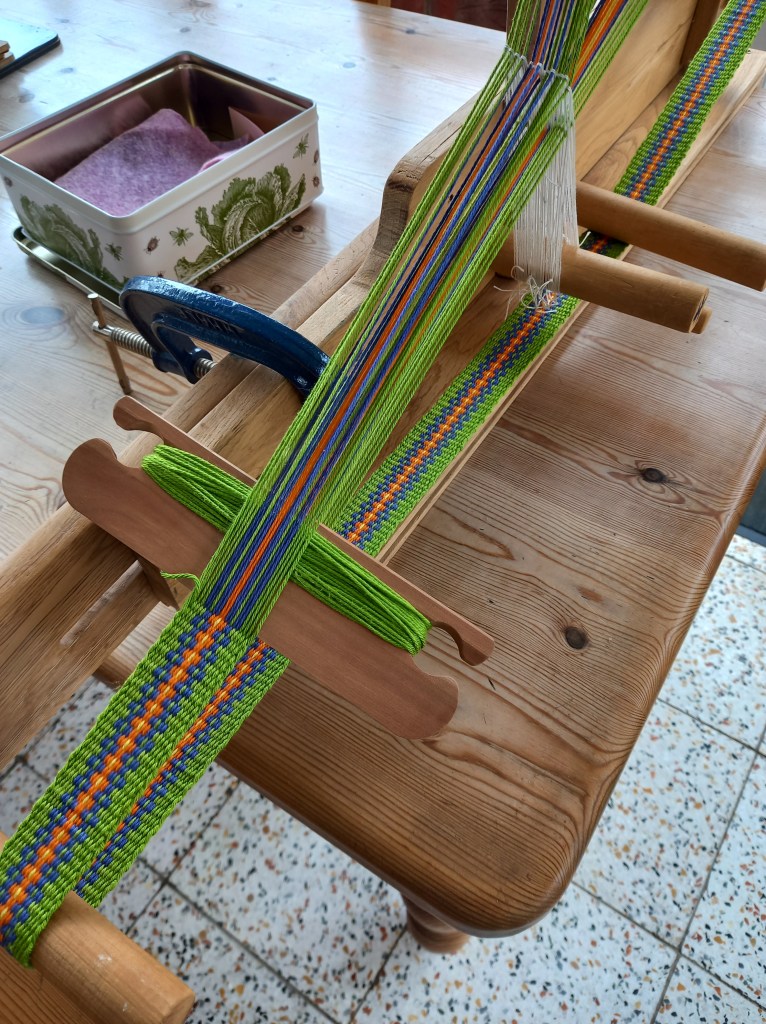
During the lockdowns, I also began exploring weaving, starting with an inkle loom that my husband made for me from scraps of wood found in his shed. Originally, I simply wanted to weave sturdy straps for bags, and the inkle loom does that beautifully. I use mercerised cotton almost exclusively because the colours are vibrant and the fibre stands up well to the tension of weaving.

Once I had been bitten by the weaving bug, I moved on to a rigid heddle loom. This is where I allow myself even more freedom to experiment. I like working with the fibres I already have available and seeing where they lead me. Most of the time I sit down to weave without a fixed plan and simply enjoy the process. Sometimes that results in a beautiful scarf or shawl — still keeping to those simple shapes I love — and sometimes it produces an uneven piece of cloth that ends up cut apart and reused elsewhere.

Then there is spinning. I began with a drop spindle and eventually progressed to an Ashford Traveller 3 spinning wheel. Spinning has opened up another layer of creativity for me. I choose fibres and colours simply because they appeal to me, even though they often transform completely once spun. I’m still learning constantly, but I can now produce a yarn that is not only usable, but genuinely enjoyable to crochet and weave with.

In the end, everything comes back to the same simple thing: keeping my hands busy. The difference now is that I can do that using yarns I have spun myself, textures I have chosen deliberately, and fabrics that have evolved through exploration and play.

Whatever you decide to make, happy crafting

Sue

Colour Stories

In my last post, I wrote about tools as companions. This time, I want to talk about the colours I choose—and those I tend to avoid.

When I first learned to knit and crochet, and to read a pattern, I always used the colours shown. Partly because I knew they worked—they were often what drew me to the design in the first place—and partly because I didn’t yet have the confidence to choose differently.

Later, as a young mum, I was fortunate enough to complete a City and Guilds course in Design and Embroidery. That experience changed everything. I discovered that colour could be playful, surprising, even a little daring. I learned that mixing and blending shades could create something entirely new—and that nothing is ever truly wasted. Even the things that don’t work out can be taken apart, reimagined, and used again.

I think that freedom has stayed with me.

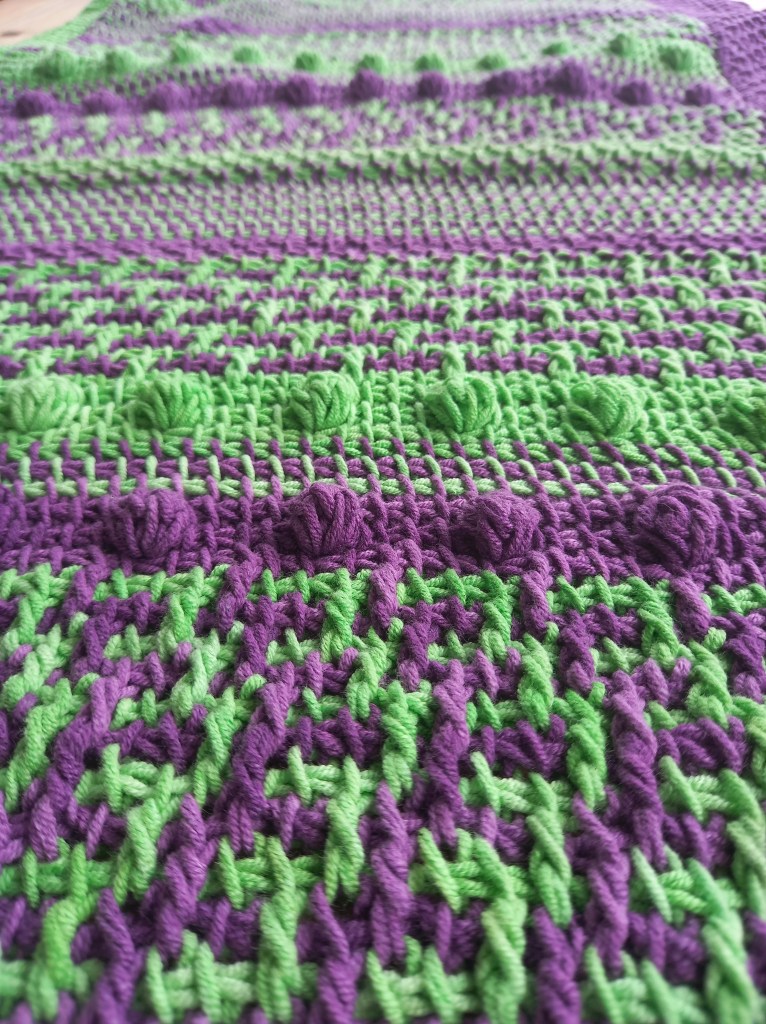
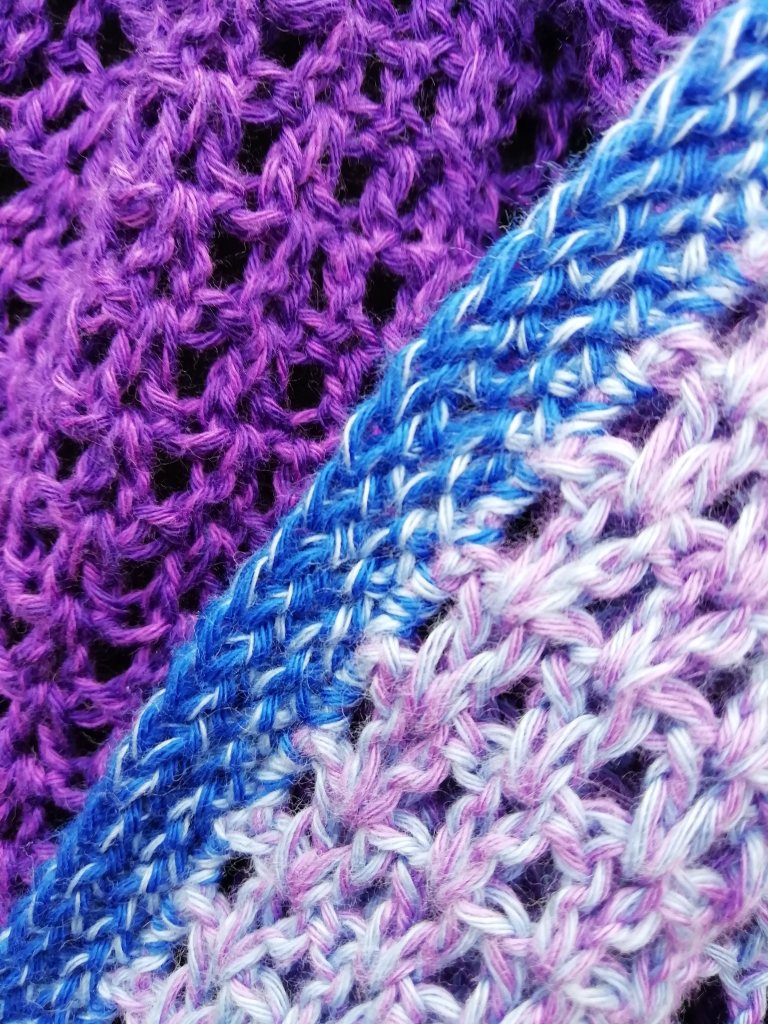
Purple has always been my ‘go-to’ colour. If I’m ever unsure where to begin, I start there. One of my early designs paired a rich purple with jade green—a combination I still love. A quick glance at a colour wheel shows they sit opposite each other, and I’ve often returned to that balance of contrast and harmony in my work.

Sometimes, when I’m lucky enough to work to a brief, the colours are chosen for me. While that can feel limiting at first, it often leads me somewhere unexpected—combinations I might never have picked, but which come together beautifully.

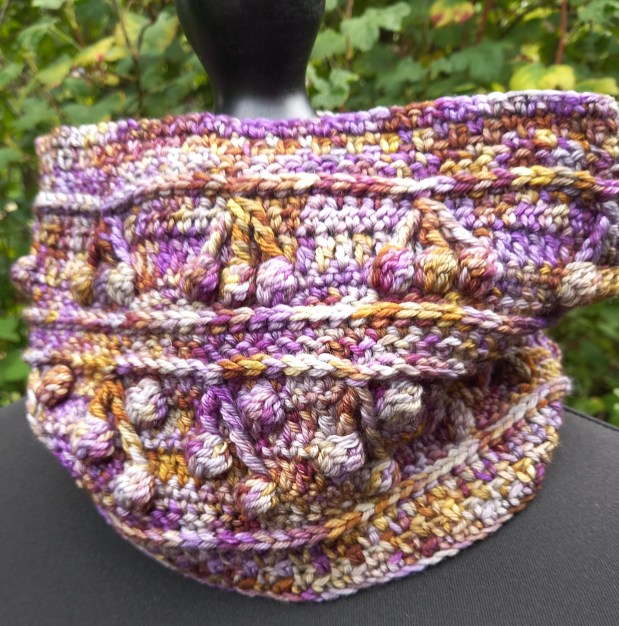
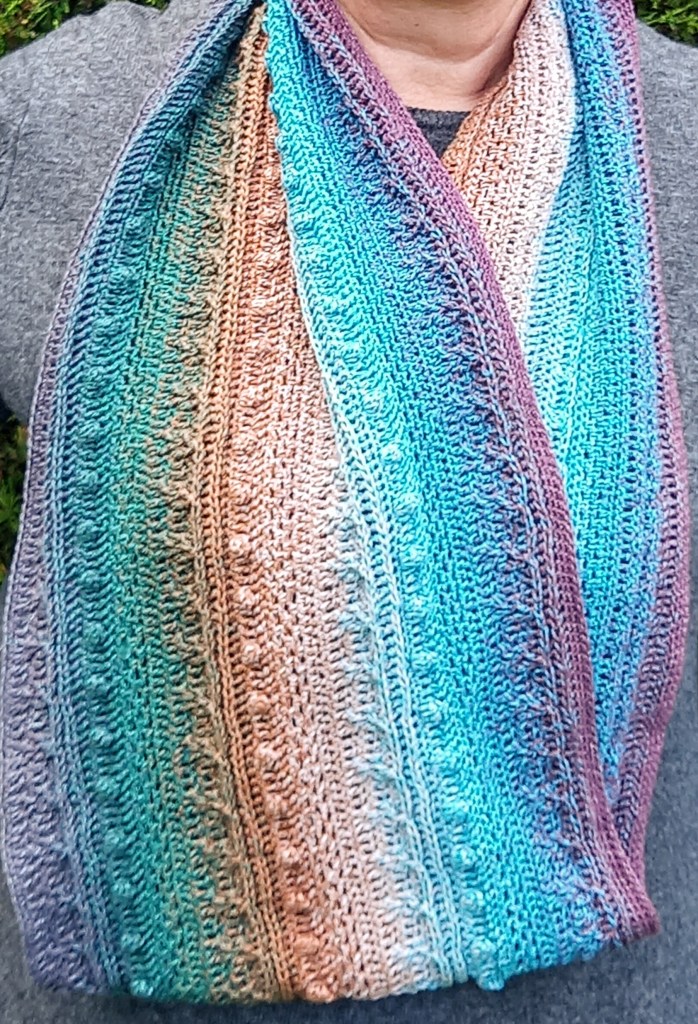
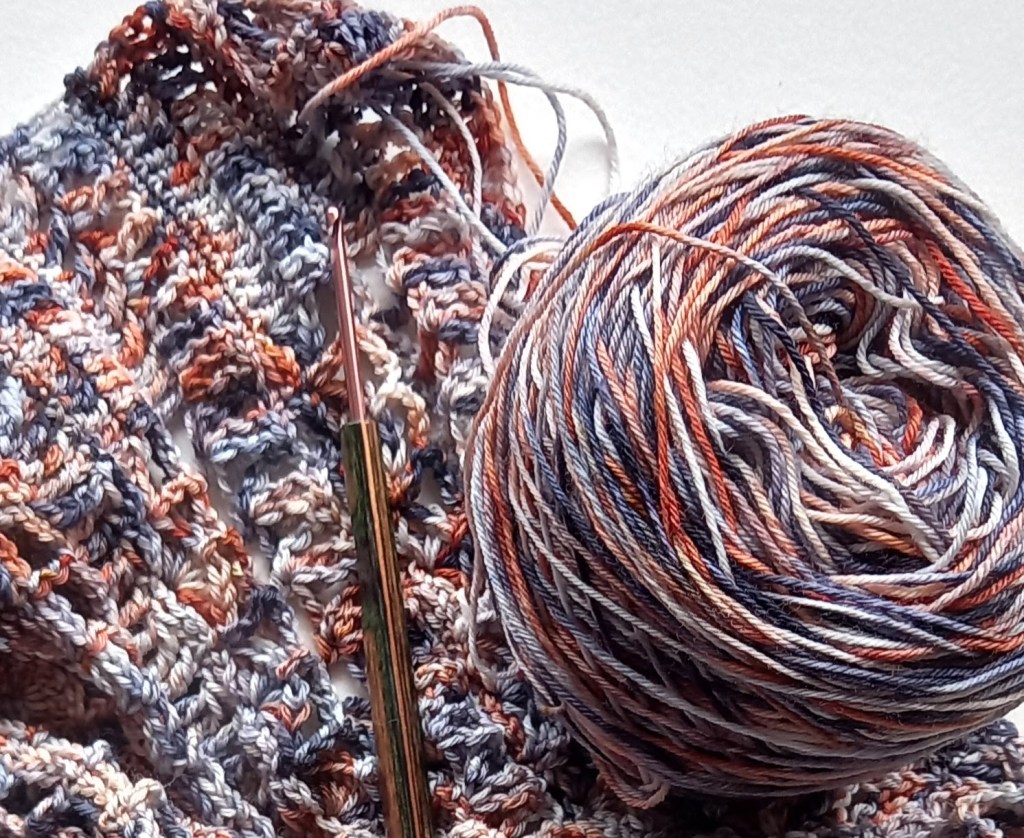
I also love the quiet magic of gradient yarns, where one shade gently becomes another, shifting the whole mood of a piece without any effort on my part.

And then there are the impulse purchases—the skeins that are simply too beautiful to leave behind. Those often sit for a while before revealing what they want to become. I’ve learned not to rush that process.

There are still colours I feel less at home with. Red, for instance, has never been an easy choice for me. But I’m beginning to explore it more, especially in blends where it softens into orange or deepens into something richer. Perhaps it’s just a matter of time.

Weaving, too, has taught me that colour behaves differently depending on how it’s used. The interplay between warp and weft can soften, sharpen, or completely transform a palette. Colours you expect to dominate may recede, while quieter tones come forward.

In the end, I think colour is deeply personal. There are no right or wrong choices—only the ones that resonate with you.

Whatever colours make you smile, those are the ones to use.

Happy crafting

Tools as Companions

In my last post, I wrote about slow making. This time, I want to talk about the tools that make that possible—the quiet companions that sit in our hands and shape what we create.

Mostly, I crochet. My mum taught me when I was about nine years old, showing me how to form chains with a slim metal hook. For years, those narrow hooks—sometimes metal, sometimes plastic—were all I used. I didn’t realise there were alternatives.

Then I discovered hooks with cushioned, shaped grips.

I started with KnitPro, as they were the most affordable, and gradually moved on to Clover Amour hooks. I even tried Tulip Etimo—beautiful, comfortable, and a pleasure to use. For a long time, I coveted a Furls hook. They look so elegant. I was lucky enough to receive one as a birthday gift from my daughter… but sadly (and I do mean sadly), it was simply too long for my small hands.

That was when I truly understood just how much variation there is in crochet hooks—and how personal the “right” tool can be.

Finding hooks that suit your hands is a game-changer. My advice? Start with the size you use most often and try different styles. You can always build your collection slowly. Of course, the temptation to buy a full matching set is real—I’m certainly not immune. The Knitter’s Pride Terra set somehow made its way into my basket one day, and I absolutely adore the wooden handles.

Some years ago, while browsing in my local wool shop, I came across a display of unusual hooks in beautiful colours. When I asked what they were for, I was introduced to Tunisian crochet—a technique I knew nothing about at the time.

Then the Covid lockdowns arrived, and suddenly I had the time to explore.

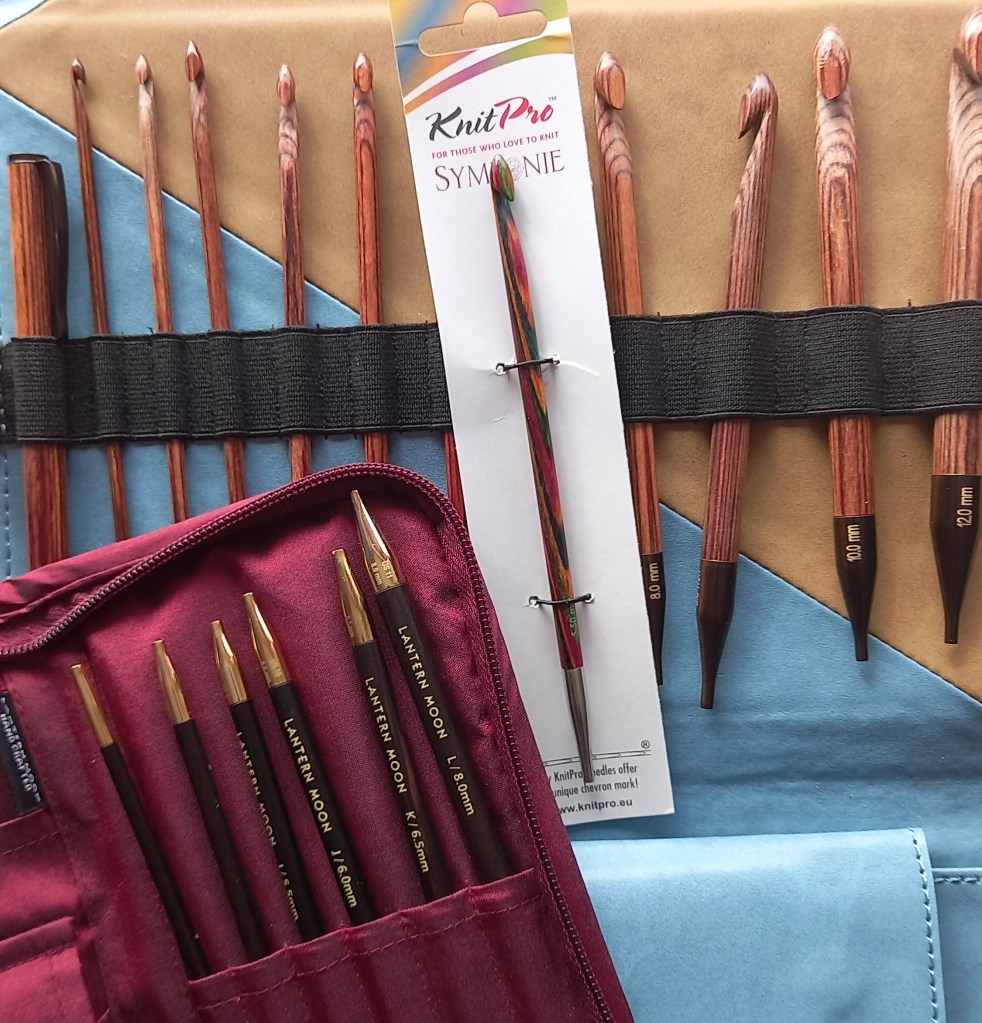
Tunisian hooks are either long, or shorter with a cable attached. I began with the KnitPro Symfonie interchangeable hooks (drawn in, I admit, by their colours). Over time, my collection has grown: a set of KnitPro Ginger hooks from my husband, which I love; a smaller set of Lantern Moon hooks, which come with the best cable key I’ve ever used; and an assortment of long, double-ended KnitPro Trendz hooks.

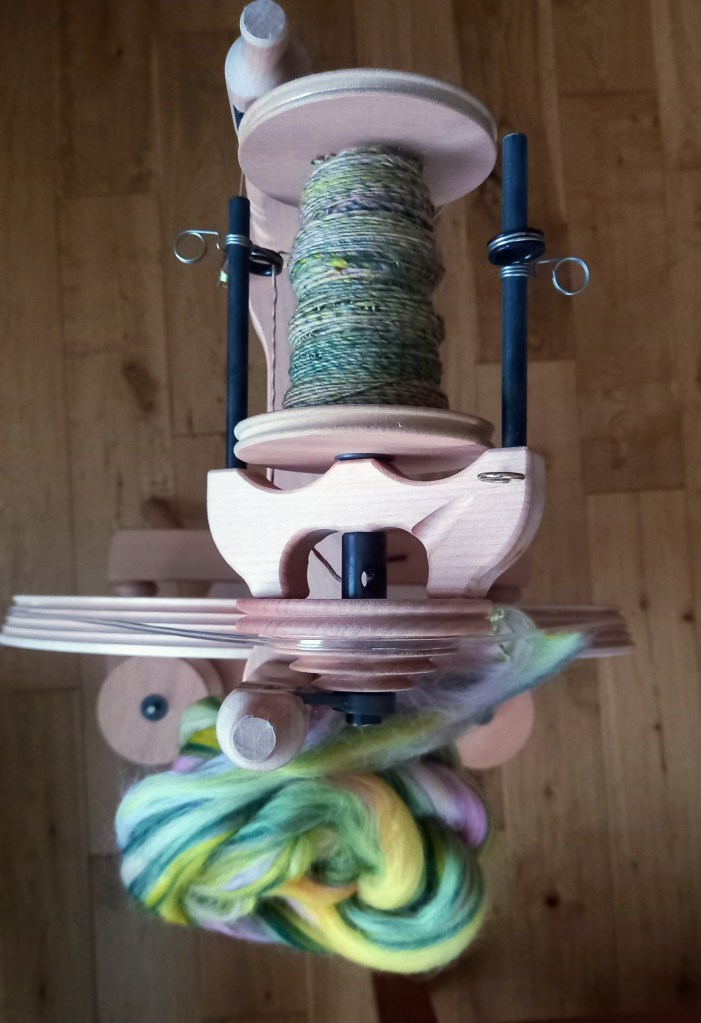
I also spin, and I’m the proud owner of an Ashford Traveller 3 spinning wheel. It’s a beautiful piece of equipment, and spinning with it feels both productive and meditative. I began with a simple drop spindle, which is still a wonderful, portable way to spin, but the wheel allows me to create yarn more efficiently while still enjoying the rhythm of the process.

Once the yarn is spun, I turn skeins into usable cakes using a yarn swift and a ball winder. Mine are the simplest (and cheapest) I could find—but they do their job perfectly well. Not every tool needs to be luxurious to be loved.

When it comes to weaving, alongside my rigid heddle loom and shuttles, the most unexpectedly useful item I own is a small wheeled trolley. It holds all my bits and pieces, moves easily to wherever I’m working, and—crucially—has space for a mug of coffee.

Because sometimes, the most valuable tools aren’t the obvious ones.

Over time, I’ve come to think of my tools not just as equipment, but as companions. Each has its own feel, its own purpose, and its own place in the rhythm of making.

Whatever tools you reach for, may they serve you well—and may they bring you joy in the making.

Happy crafting.

Slowness

In my last blog post I wrote about rhythm and routine. This time, I want to linger a little longer on something closely related: slow making.

Making things with yarn makes me happy. Crochet, spinning and weaving — my preferred methods of making — are, by their very nature, slow. No matter how urgent the project or how close the deadline, if something is going to be made well, it takes time. There is something quietly grounding about sitting down and picking up a project. Your breathing slows. Your shoulders soften. Your focus narrows to yarn and hook, fibre and spindle. Slowness isn’t a weakness in the process; it is the process.

Whenever I try to rush, it rarely ends well. I’ll spot a fairly calamitous mistake six inches back and end up “frogging” everything done in haste. Yarn has a way of reminding you that care and patience matter.

If you’ve seen my social media this week, it might look as though everything has happened at once. Two patterns released. A design published in a magazine. Very productive. Very busy.

But none of it was fast.

A magazine commission

The current issue of Simply Crochet includes a scarf pattern I designed. The initial concept was sent to the editor in June 2025. Colours and yarn were agreed. The deadline for submission was December 1st. After that, the pattern was tech edited, the scarf was modelled and photographed, and the issue was published in February 2026.

From idea to publication: eight months.

Sometimes deadlines are shorter, sometimes longer, but the principle remains the same. The making must be careful. The pattern writing must be clear and accurate. Time has to be budgeted generously and realistically.

And I will admit — it is always a thrill to see my work professionally styled, modelled and photographed. That part never gets old.

Pistachio Breeze Top

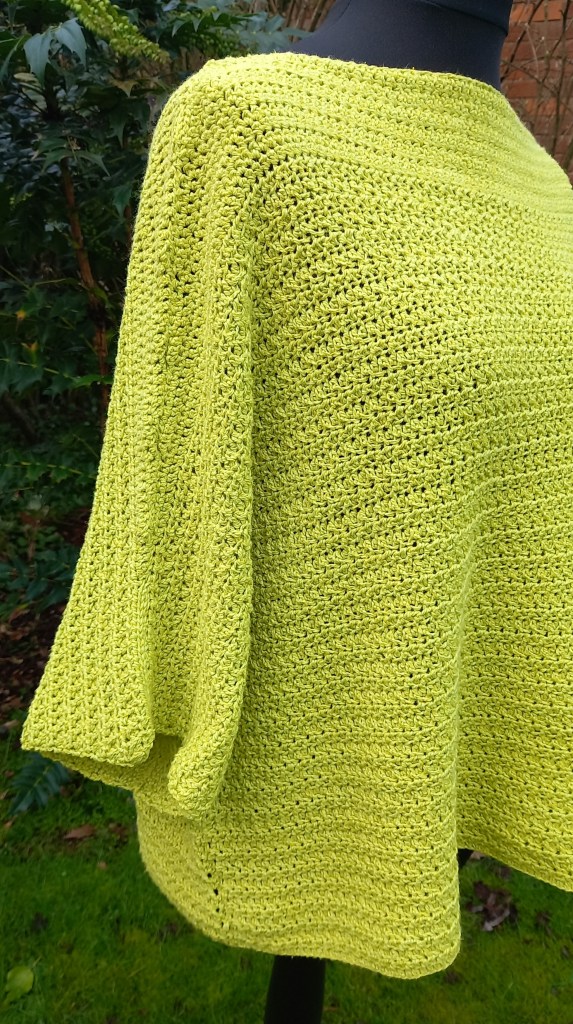
One of the patterns I released this week, the Pistachio Breeze Top, began life in November 2025.

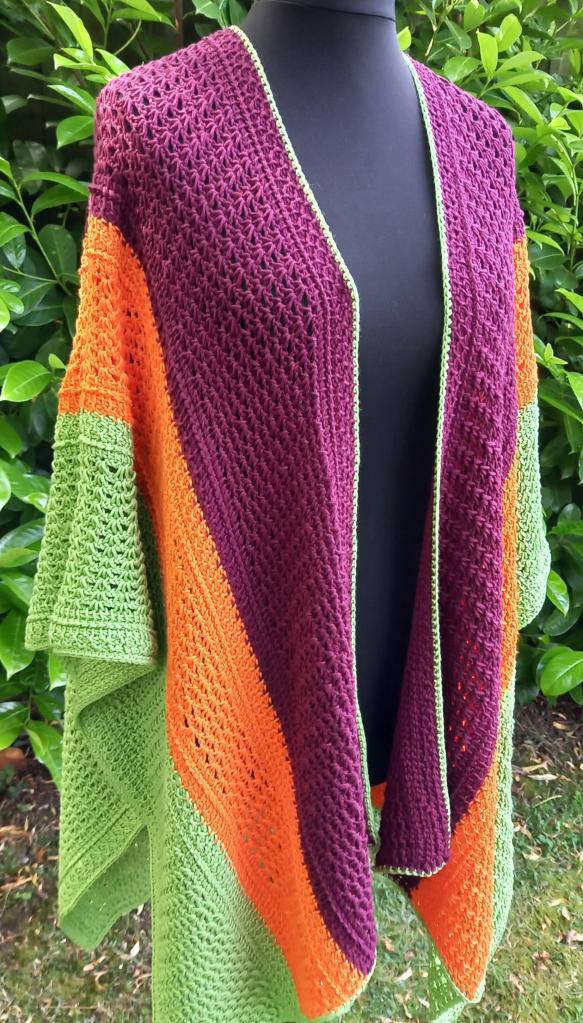
I had a picture in my mind: an oversized top in a very particular shade of green. I spent time browsing yarns, considering weight and fibre content. Once I settled on the right yarn, I sampled. I sketched. I even cut the shape out of brown paper to create a template to work from.

From first spark of an idea to finished design, it took almost four months.

That is the reality behind what looks like a single “new release” post.

Every Last Scrap Cowl

The second pattern, the Every Last Scrap Cowl, is smaller — but no less slow in its origins.

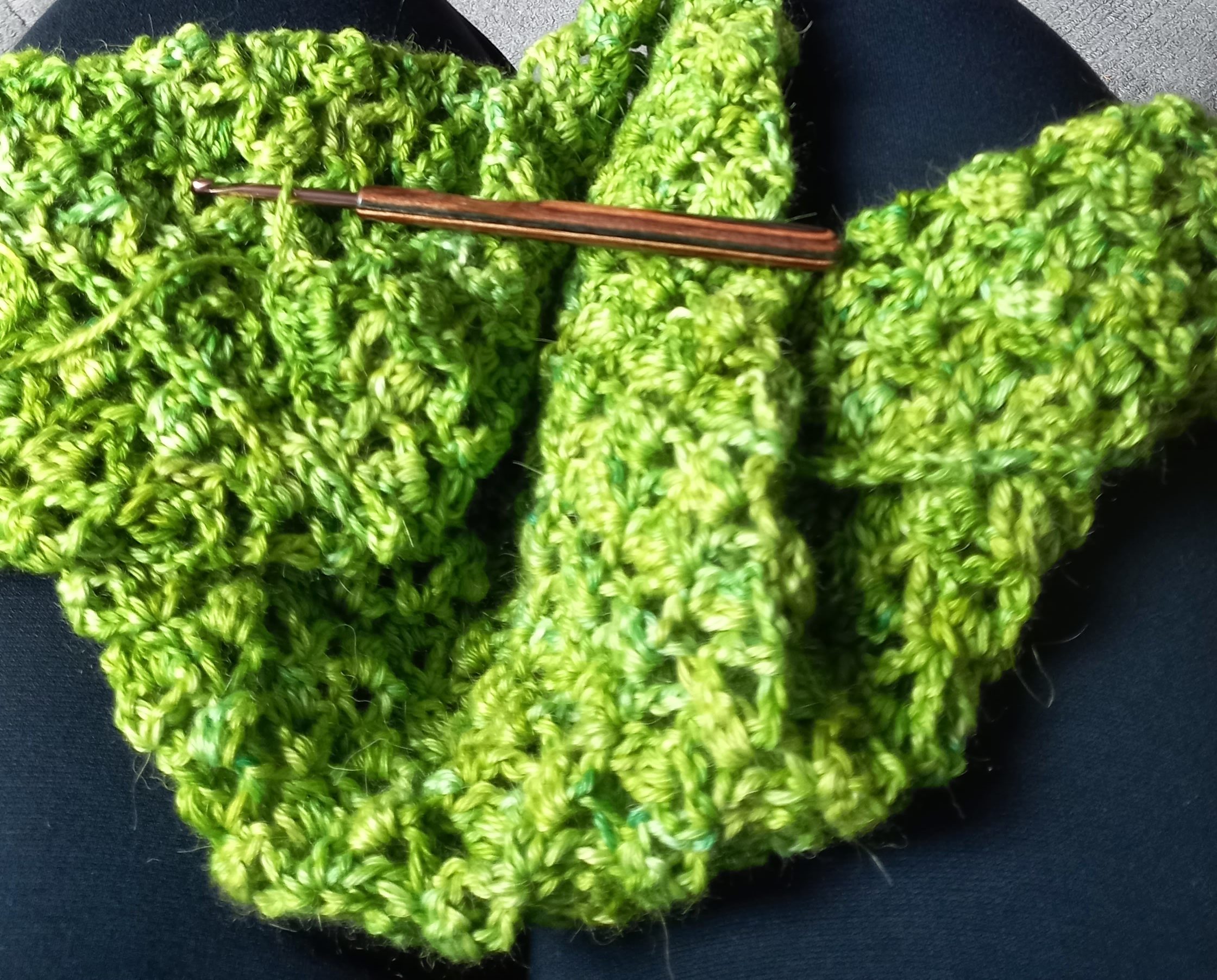
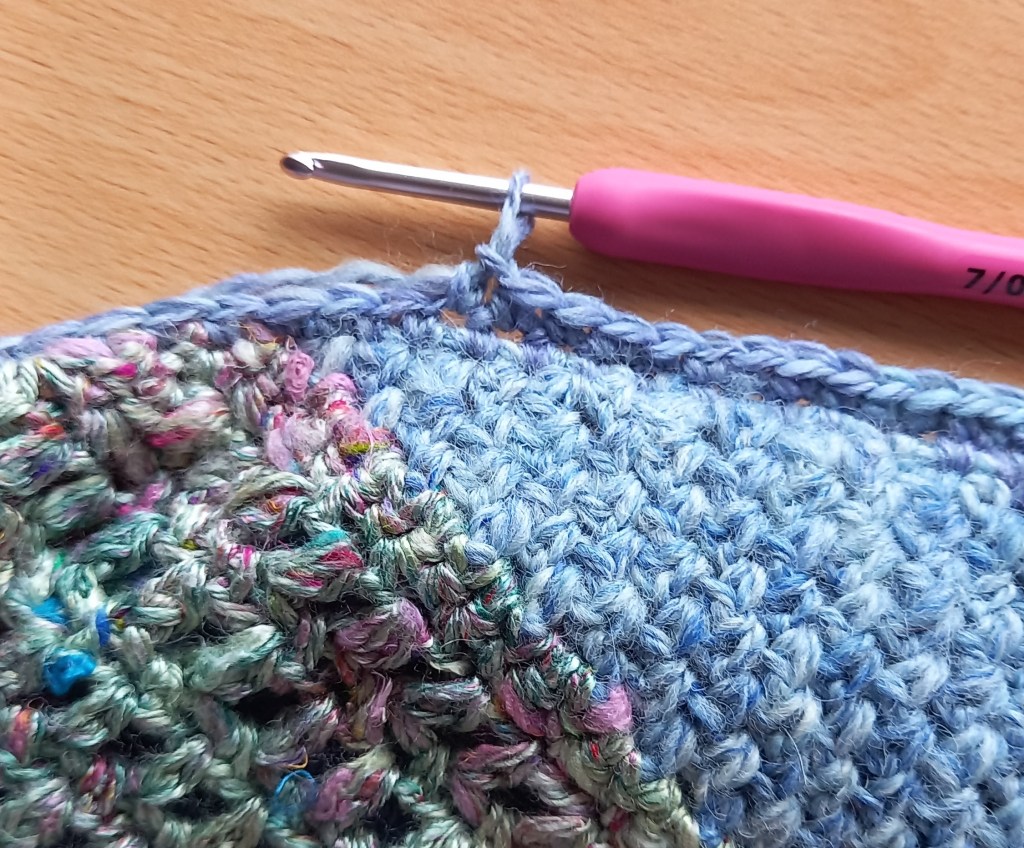
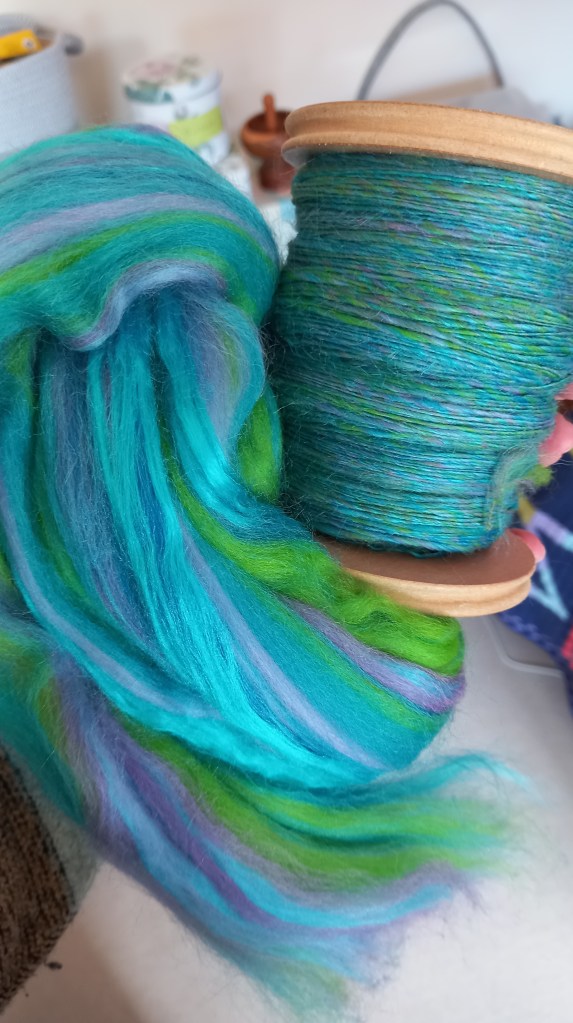
The yarn is entirely handspun. Over half of it came from a Yorkshire Blends sample box bought from Wingham Wools in January. As part of my ongoing quest to improve my spinning, I spent a lovely morning at Old School Crafts Minting with Zoe, who showed me how to chain ply.

The spinning itself was slow and thoughtful. The design process was intentionally simple — I wanted the yarn to shine. The making felt joyful and, compared to the spinning, relatively quick over a couple of weeks.

The pattern is available free on my refreshed Free Crochet Hub page — a small celebration of using every last precious length of yarn.

A slow maker’s desk

I am, unapologetically, a slow crafter — and someone who always has several works in progress.

At the moment I have:

  • A scarf on my rigid heddle loom
  • A crochet shawl design in a glorious gradient yarn (for an intermediate crocheter)
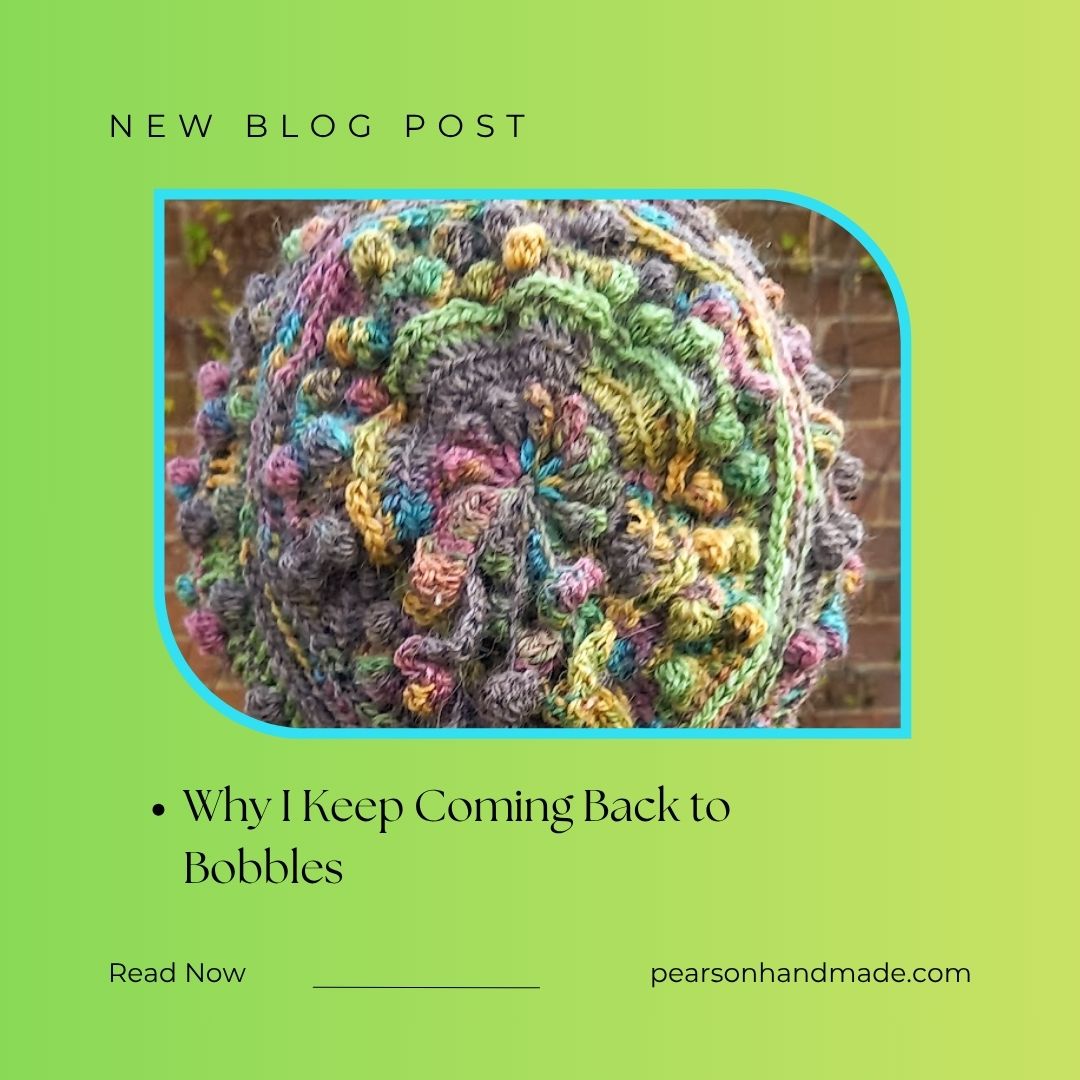
  • A bobble hat in testing (for a confident beginner)
  • A Tunisian crochet poncho design almost finished (for a confident beginner)
  • A moss stitch shawl design started purely for the pleasure of something gentle and undemanding

On the spinning wheel, I’m nearly at the end of a sample box from Adelaide Walker, a Christmas gift from my husband. I have no doubt those yarns will find their way into a future design.

Slowness doesn’t mean stagnation. It means depth. It means intention. It means allowing ideas to unfold at the pace they need.

And in a world that often feels rushed, I think that matters.

Happy crafting,
Sue

Creative Rhythm & Routine

Rhythm and Routine: How Creativity Fits into Daily Life

I’ve had a little break from blogging — you may have noticed — because life has simply been busy. But even when I’m not writing about creativity, I’m still living it. So this week I wanted to reflect on how creativity weaves its way through everyday life, even when the days feel full.

An Ideal Creative Day

Sometimes creativity is carefully planned; at other times it’s squeezed into the gaps of a hectic schedule.

On a day with fewer responsibilities, the rhythm might look like this: a little spinning after breakfast while listening to a podcast,

followed by time at the computer — catching up on media, submissions, pattern drafting and writing. Later, uninterrupted time to crochet and test a more complex design.

After lunch, I walk the dog (often when my best ideas arrive), then home for a hot drink and a focused session on a current magazine commission. If time allows, I’ll weave before starting dinner.

Evenings are gentler. I pick up what I call my “evening project” — crochet that doesn’t require too much mental bandwidth, so I can listen to the radio or watch television while my hands are busy working.

It’s not always like this, of course. But having a loose rhythm helps. Creativity doesn’t demand perfection — just presence.

Seasonal Creativity

Design advice often suggests working ahead of the season — thinking about Valentine’s Day in October, summer in January. I understand the logic, but I find I simply can’t do it.

I respond to the season I’m in. When the weather turns cold, I crave cosy aran makes. When the sun appears, I long for light, breezy wraps. My creativity follows the temperature, the light, and my mood.

That said, the reality of publishing means some projects begin months before they’re seen. Occasionally, this means I do publish “on time.” More often, I publish when the piece feels finished — whatever the date.

At the moment, I’m working on:

  • a cosy wool cowl (perfectly seasonal),
  • a lightweight wrap (the bright yarn was bought in summer and is cheering me through winter),
  • an aran poncho (again, seasonally satisfying),
  • and an enormous Tunisian crochet blanket commissioned by a magazine for summer publication.

And if I’m honest, after a rather miserable phone call this morning, I’m very tempted to begin something entirely new — a little creative displacement activity. Sometimes starting is soothing.

Creative Spaces

Over the years, as my family has grown and left home, my creative spaces have quietly expanded throughout the house.

My daughter’s old bedroom is technically my “craft room,” but projects live everywhere. The magazine commission blanket resides in the dining room. My evening crochet and spinning wheel are in the living room. The weaving loom has taken up a semi-permanent  residence on the kitchen table. The wardrobe in my son’s old room has been converted into yarn storage.

Creativity doesn’t stay neatly in one place — and I’ve stopped trying to contain it.

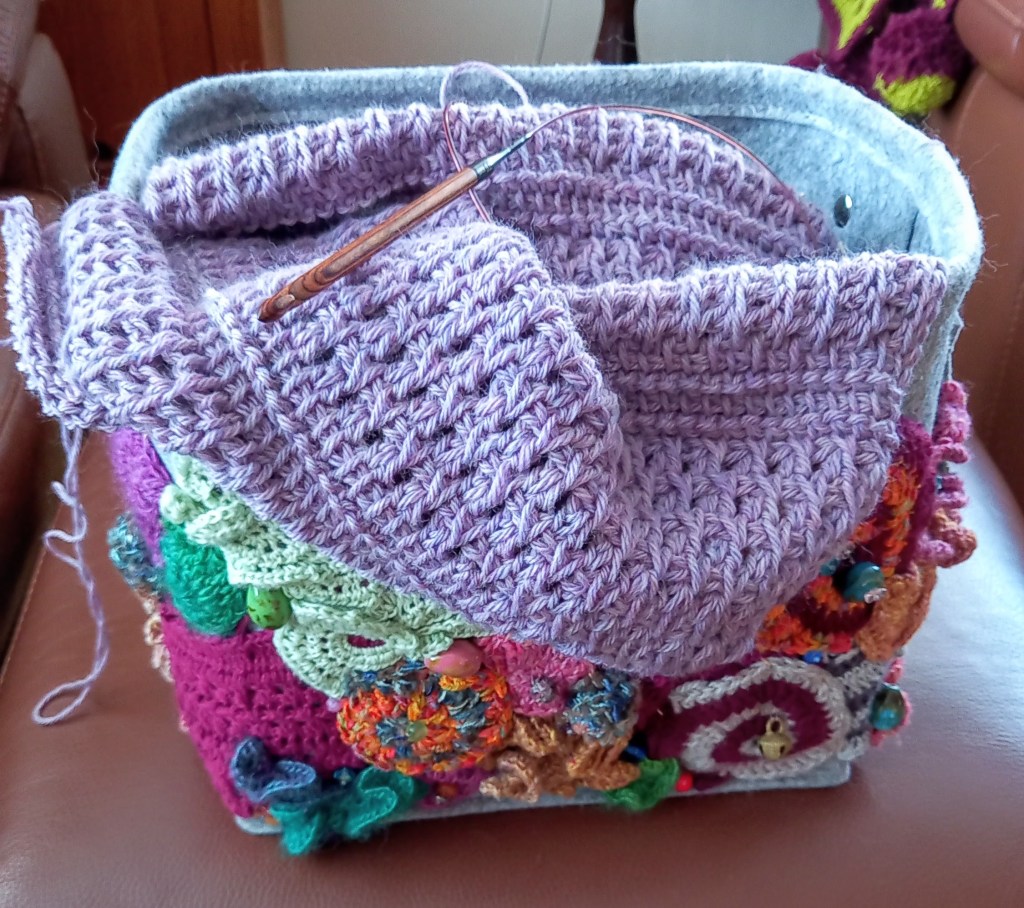
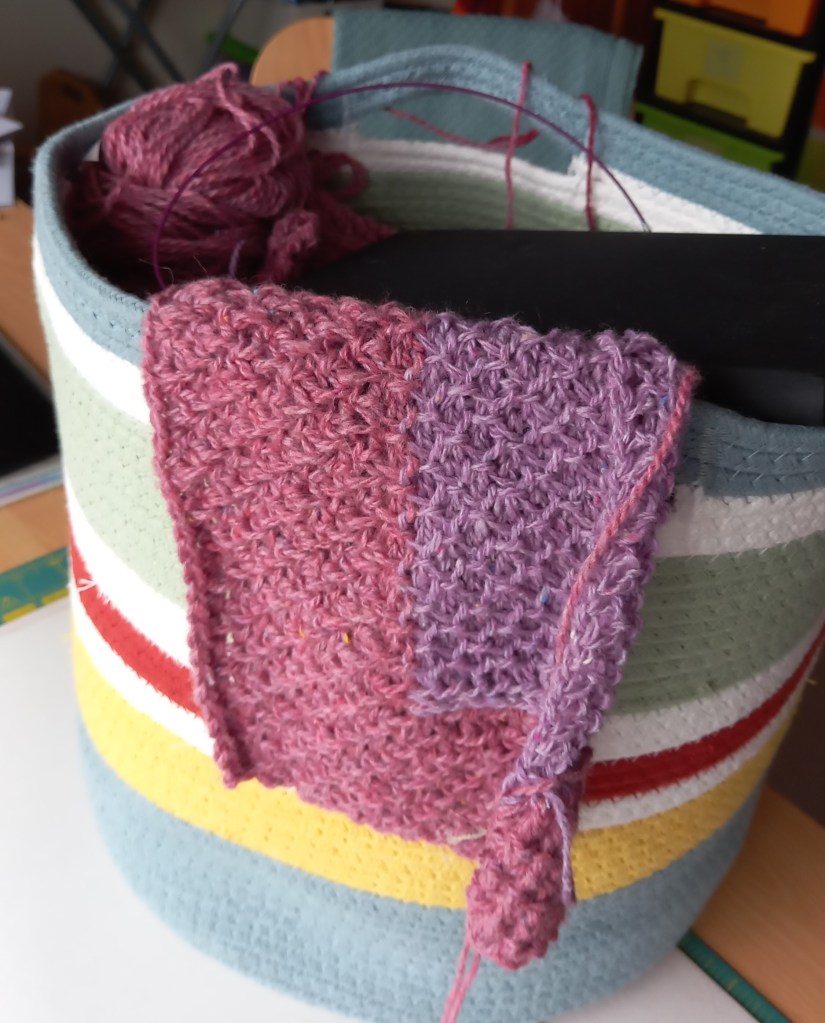
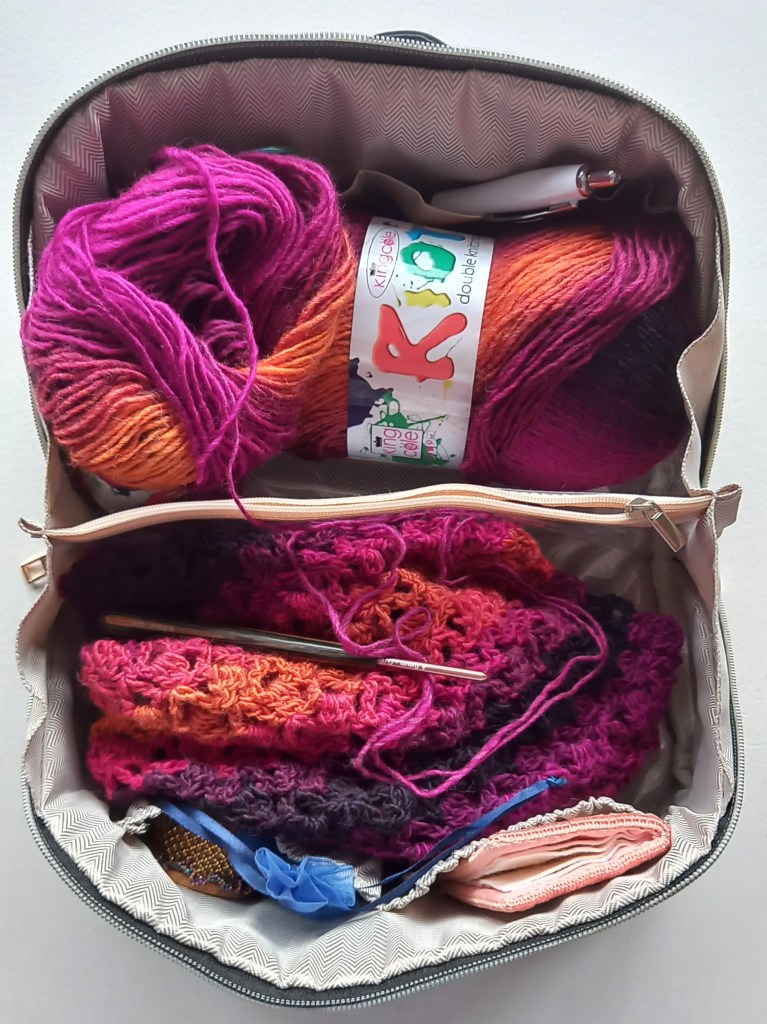
My advice? Always have a project to hand. Keep it in a crate or bag so you can move it easily. If a spare half hour appears, you’re ready. Those small, snatched moments add up. They form their own rhythm.

Returning to the Rhythm

After a blogging pause, I’m reminded that creativity doesn’t disappear when life gets busy — it simply changes pace. Sometimes it’s bold and productive; sometimes it’s quiet and restorative. Both count.

The important thing is to keep returning to it.

Happy crafting,
Sue

Preparing to Craft

In my last blog post, I shared a few thoughts about different types of fibres. This week, I’d like to look at some of the small but important steps to take before you settle down to spend time crafting. For me, preparation is not a chore to rush through, but a quiet part of the making process in its own right.

Gauge

Sometimes gauge matters, and sometimes it really doesn’t. If you’re planning to make a fitted garment, it’s worth taking the time to work a sample using your chosen yarn and hook or needles. Nobody enjoys making a gauge swatch, but it’s far worse to spend hours on a project that turns out far too big or far too small.

For items such as blankets, throws, or cushion covers, gauge is usually less critical. A few extra rows or stitches more or less will often make up any discrepancy. I have a small mountain of gauge samples and swatches which, when the mood takes me, I add to whichever freeform crochet project I’m working on.

Yarn Balls and Skeins

Some balls of yarn are designed for a centre pull, and others really aren’t. I quite like a centre pull, as it stops the yarn rolling around while I’m working. Sometimes you’re lucky and find the end with very little fuss; other times you’re rewarded with an impressive yarn barf, feeling as though you’ve disembowelled the ball entirely.

Some crafters wind all their yarn into neat cakes as a matter of course. I’m not one of those people — I tend to take my chances. That said, if you’re working with skeins, they absolutely must be wound into a ball or cake before use. Skipping this step is almost guaranteed to lead to tangled fibre and hours of unnecessary frustration.

Read the Pattern

Before you begin, take a moment to read the pattern properly and make sure you have everything it calls for. Alongside needles or hooks, does it require stitch markers, cable needles, stitch holders, or beads? There’s nothing more frustrating than getting into a good rhythm, only to have to stop and wait for the shops to open because you’re missing a crucial item.

Spinning Fibre

When spinning, I usually work with combed tops. The best advice I ever received was to pre-draft — gently easing the fibres apart along their length between your hands, working down the fibre and back again. It makes the spinning process feel much easier and more controlled.

Once you’ve filled a bobbin with singles, let the fibre rest for at least 24 hours before plying. That pause really does make a difference.

Weaving Fibre

I weave on a rigid heddle loom, and once I’ve chosen the yarn for my warp, my next decision is the size/dent of the reed. I have a bamboo blind, cut to size, on the back beam, so that when I wind on the warp, the yarn spreads evenly. The warp has a huge impact on the finished fabric, so it’s worth taking your time here.


However you choose to spend your crafting time, I hope these reflections encourage you to enjoy the preparation as much as the making itself.

Happy crafting — and next time, I’ll be turning my focus to the tools I find most useful.

Sue

Exploring Fibres

In my last blog post I shared a few ideas for cosy crochet projects — the kind of slow, comforting makes that are perfect for chilly evenings. For this first post of 2026, I wanted to begin the year a little more thoughtfully, by turning my attention to the fibres themselves.

Over time, I’ve found myself increasingly drawn to natural fibres. Acrylic and other man‑made yarns certainly have their place — their colours can be wonderfully vibrant and they’re often more budget‑friendly — but when it comes to my own making, I tend to reach for cotton, wool and alpaca. There’s something about their texture, warmth and connection to nature that feels especially fitting for slower, more mindful crafting.

Cotton

The cotton yarn I use most often is King Cole Cottonsoft DK, which comes in a generous range of colours and features in many of my throw designs. As a natural plant fibre, cotton is soft, absorbent and biodegradable, making it a versatile choice for both knitting and crochet projects. Cotton resists pilling well, though it does have a tendency to stretch when wet and isn’t as elastic as some other fibres.

You may also notice some cottons described as mercerised — a chemical process that adds strength and a subtle sheen. A good example is Scheepjes Maxi Sugar Rush, which I enjoy using for crocheted mandalas, where stitch definition and lustre really shine.

Wool

Wool, shorn from sheep, is the traditional choice for knitting and crochet. It’s warm, durable and wonderfully adaptable, though it does require a little care — most of us have, at some point, accidentally shrunk a favourite jumper! Some wool yarns are labelled Superwash, meaning they’ve been treated so they can be washed more easily. I often buy indie‑dyed sock and DK yarns from Moonlight Fibre and Fruitful Fusion, typically blends of Superwash merino and nylon that balance softness with strength.

Alongside this, spinning is an important part of my practice. I enjoy making my own yarn from undyed or dyed combed tops, sourced from Adelaide Walker or Wingham Wools. The process deepens my connection to the fibre and gives me complete control over the finished yarn.

One of my more recent discoveries is a Yak Sock base from Noodle Soup Yarns — a blend of 70% merino, 20% yak and 10% nylon. The addition of yak creates a beautifully soft yarn, and I’ve been very impressed with how it feels and works up. It’s definitely one I’ll return to.

Alpaca

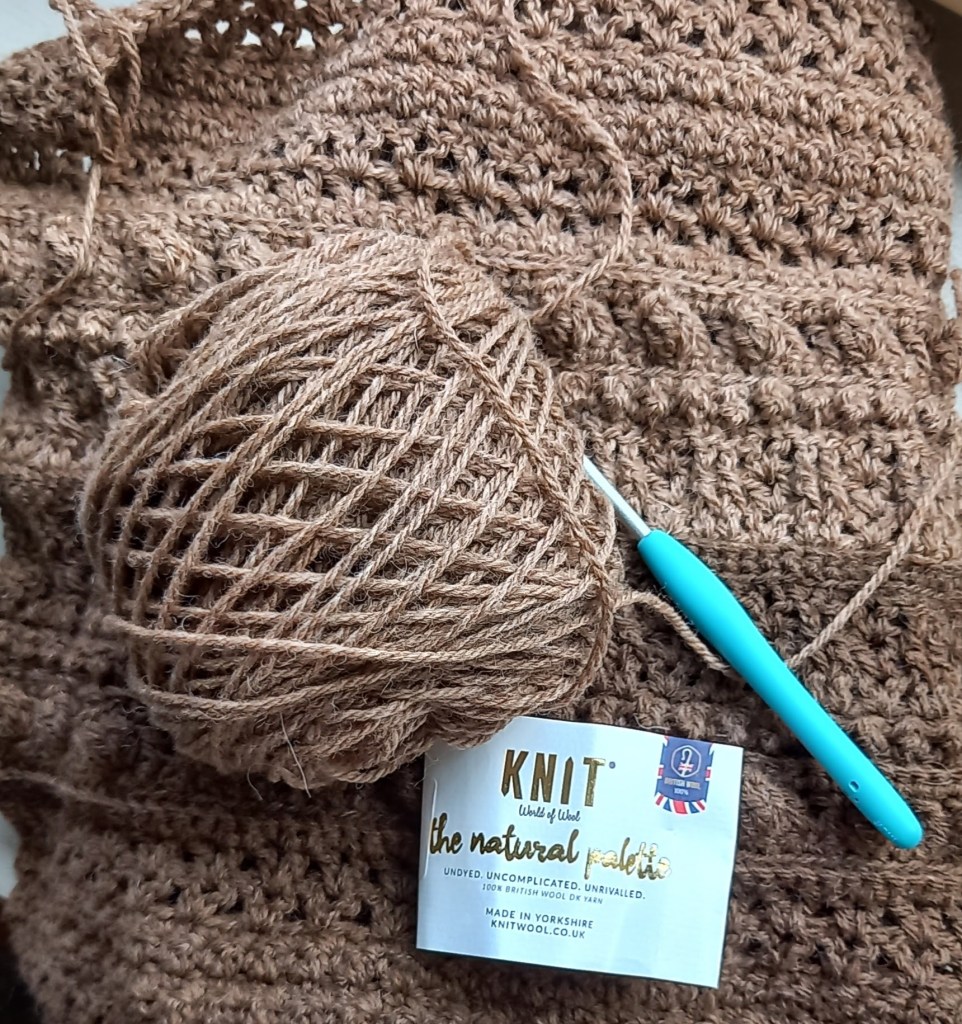
Alpaca is another natural animal fibre that I’m especially fond of. Softer than sheep’s wool and generally less prickly, it’s also hypoallergenic and resistant to pilling. Alpacas produce fleece in a range of natural shades — from white through to black and warm browns — which are lovely in their own right. Alpaca fleece can be spun into both fine and heavyweight yarns. I’ve previously used alpaca from Homefield Alpacas, and I’m currently knitting with King Cole Natural Alpaca, which is beautifully soft and a pleasure to work with.


However you choose to spend your crafting time, I hope these reflections encourage you to embrace slower making, warmer fibres, and projects that bring a little extra comfort at this time of year.

Happy crafting — and next time, I’ll be turning my focus to the preparation that happens before the making begins.

Sue

Cosy Crochet Projects for Chilly Evenings

Last week, I introduced you to my latest Tunisian crochet design, the Mistwood Hooded Scarf. This week, as the evenings draw in and the temperature drops, I wanted to share a few ideas for cosy crochet projects that are perfect for slow, comforting making on chilly nights.

For me, truly cosy projects begin with the yarn. Choosing fibres that feel warm, soft, and satisfying in the hands makes all the difference when you’re settling in for an evening of crochet.

One of my long-standing favourites is Drops Nepal, a wool and alpaca blend classed as an aran weight. It has a lovely warmth and weight, and because it’s aran, projects grow quickly – always a joy when the evenings feel short. I’ve recently designed a particularly cosy project using this yarn, which will appear in the next issue of Simply Crochet magazine, out on 23rd December.

I also regularly use King Cole Fashion Aran, which comes in a huge range of colours. With 30% wool, it’s a more affordable option, making larger projects such as blankets feel achievable without worrying too much about cost. More recently, I’ve discovered King Cole Merino Blend DK, a superwash 100% wool yarn that has worked up beautifully and feels wonderfully soft.

Of course, if you’re able to spin your own yarn, you can really lean into seasonal colours and textures. This very Christmassy Corriedale and sari silk blend from Adelaide Walker, called Medina, is a perfect example – full of depth, warmth, and character.

Once you’ve chosen your yarn, it’s time to find a project you’ll genuinely enjoy. A quick search on Ravelry using the yarn weight you have to hand will reveal plenty of hats, gloves, and scarves that work up quickly and make satisfying gifts. That said, I don’t think there’s much better than crocheting a blanket or throw at this time of year. The gentle weight of the fabric resting in your lap is incredibly comforting, and as the piece grows, you almost find yourself wrapped in its warmth.

Over the years, I’ve built up a small library of pattern books, and the ones I still return to most often include:

  • Crocheted Throws and Wraps by Melody Griffiths
  • The Art of Crochet Blankets by Rachele Carmona
  • Rainbow Crocheted Blankets by Amanda Perkins
  • Beautiful Blankets, Afghans and Throws by Leonie Morgan

If you’d like to try your hand at Tunisian crochet, Toni Lipsey’s The Tunisian Crochet Handbook is full of cosy, inspiring projects. One of my own bestselling patterns, the Winterborn Throw, is a Tunisian crochet design worked in Fashion Aran yarn and is ideal for slow winter evenings.

However you choose to spend your crafting time, I hope these ideas encourage you to embrace slower making, warmer fibres, and projects that bring a little extra comfort at this time of year.

Happy crafting until next time – which will be after the Christmas break, when I’ll be turning my focus to fibre.

Sue

New in the shop: introducing my Mistwood Hooded Scarf

Last week, I explored one of my favourite topics: colour — and how to spark your imagination when choosing palettes for your next project. This week, I’m excited to share something brand new: the journey behind my latest design, from that first tiny spark of inspiration right through to the finished piece.

The Mistwood Hooded Scarf began as a simple question I asked myself while playing with my handspun yarn: what if that cosy autumn wrap I’d just finished… had a hood? I’d been experimenting with Tunisian crochet stitches, enjoying the textures and the meditative rhythm, and the finished wrap had such lovely weight and drape that I couldn’t help imagining more.

But as these things often go, my first attempt taught me exactly what not to do! The original shawl was far too wide to fold into a hood — a quick try-on left me with fabric flopping in front of my eyes. Practical, it was not.

So I went back to the sketchbook and re-imagined the piece as a narrower scarf: still enveloping and warm, but proportioned perfectly for a folded hood. With that settled, I knew the next step was choosing the right yarn. I loved the feel of my handspun wrap, so I set out to find a worsted-weight yarn with a high wool content and good structure.

A browse through Wool Warehouse (dangerous, as always…) led me straight to Cascade 220. It ticked every box — and then came the matter of colour. I like to pretend I considered several options, but the moment I saw Lepidolite Heather, a soft purple with subtle depth, the decision was made. A quick bit of yarn maths told me I’d need four skeins. Maths isn’t my strongest skill, but happily, I was spot on.

The scarf itself worked up quickly. The hood folded neatly, just as I’d hoped. But it needed one final playful touch — something a bit whimsical. So I crocheted a set of curly “tails” to sit at the point of the hood. Completely unnecessary… and completely delightful. They made me smile, and I hope they’ll do the same for anyone who makes or wears this piece.

The pattern is now available in my Etsy shop and on Ravelry (hence this slightly late blog post!)..

Whatever colours or yarns you choose, I hope the Mistwood Hooded Scarf brings warmth, joy, and a little touch of magic to your making.

Happy crafting until next week, when I’ll be focusing on cosy crochet projects for chilly evenings.

Sue