In my last blog post, I shared a few thoughts about different types of fibres. This week, I’d like to look at some of the small but important steps to take before you settle down to spend time crafting. For me, preparation is not a chore to rush through, but a quiet part of the making process in its own right.
Gauge
Sometimes gauge matters, and sometimes it really doesn’t. If you’re planning to make a fitted garment, it’s worth taking the time to work a sample using your chosen yarn and hook or needles. Nobody enjoys making a gauge swatch, but it’s far worse to spend hours on a project that turns out far too big or far too small.
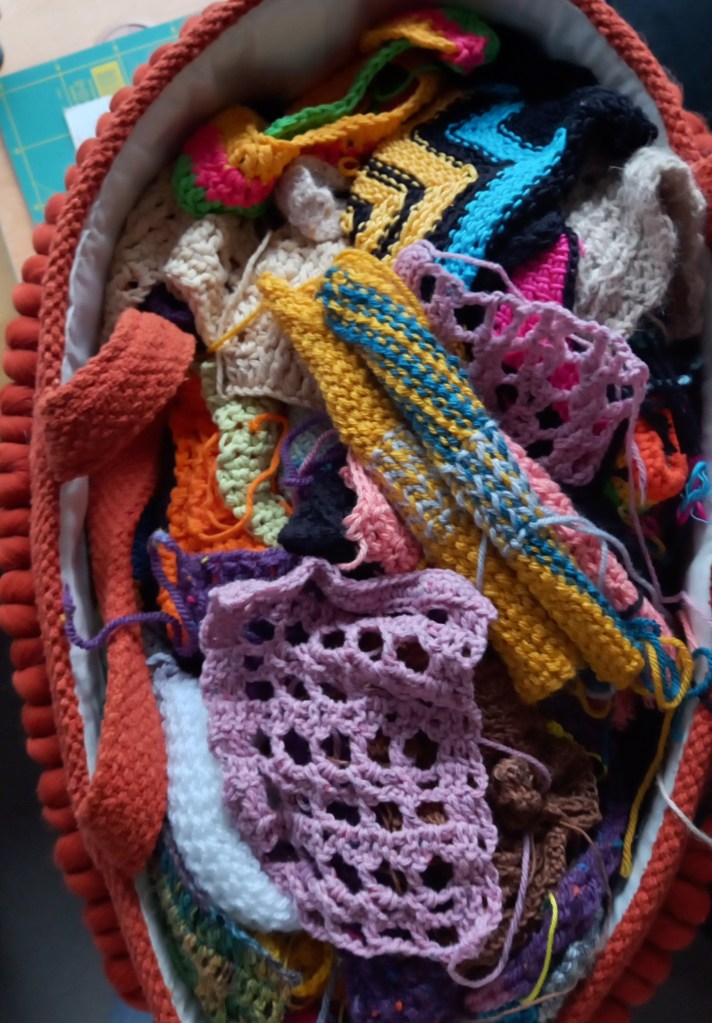
For items such as blankets, throws, or cushion covers, gauge is usually less critical. A few extra rows or stitches more or less will often make up any discrepancy. I have a small mountain of gauge samples and swatches which, when the mood takes me, I add to whichever freeform crochet project I’m working on.
Yarn Balls and Skeins
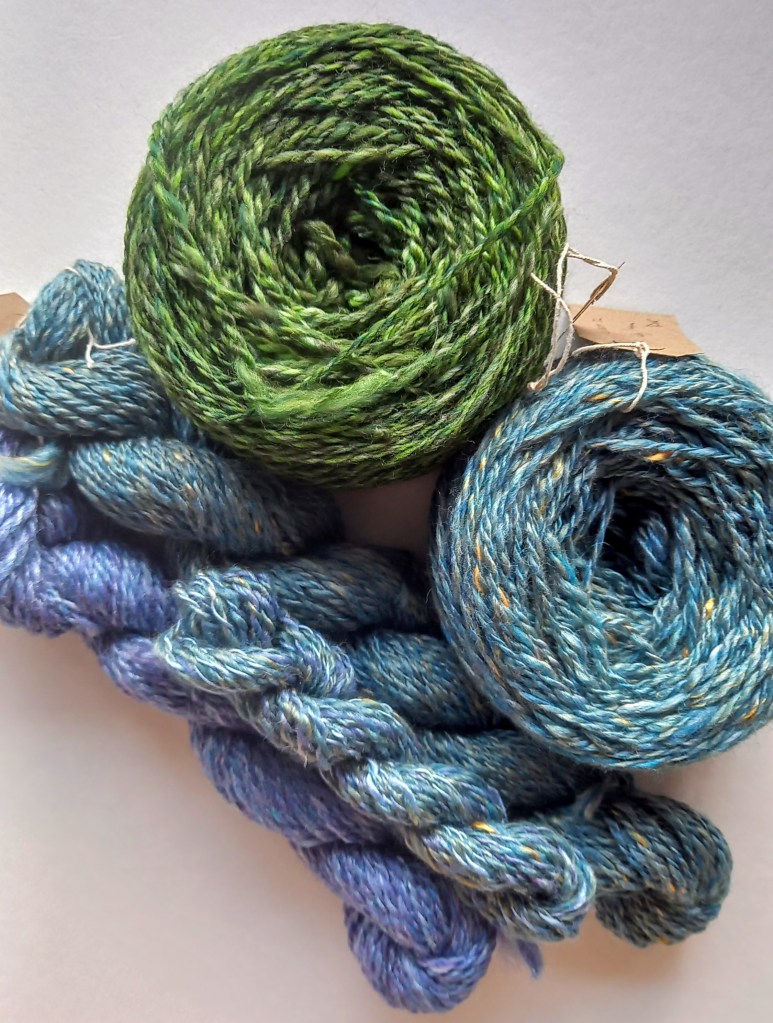
Some balls of yarn are designed for a centre pull, and others really aren’t. I quite like a centre pull, as it stops the yarn rolling around while I’m working. Sometimes you’re lucky and find the end with very little fuss; other times you’re rewarded with an impressive yarn barf, feeling as though you’ve disembowelled the ball entirely.
Some crafters wind all their yarn into neat cakes as a matter of course. I’m not one of those people — I tend to take my chances. That said, if you’re working with skeins, they absolutely must be wound into a ball or cake before use. Skipping this step is almost guaranteed to lead to tangled fibre and hours of unnecessary frustration.
Read the Pattern
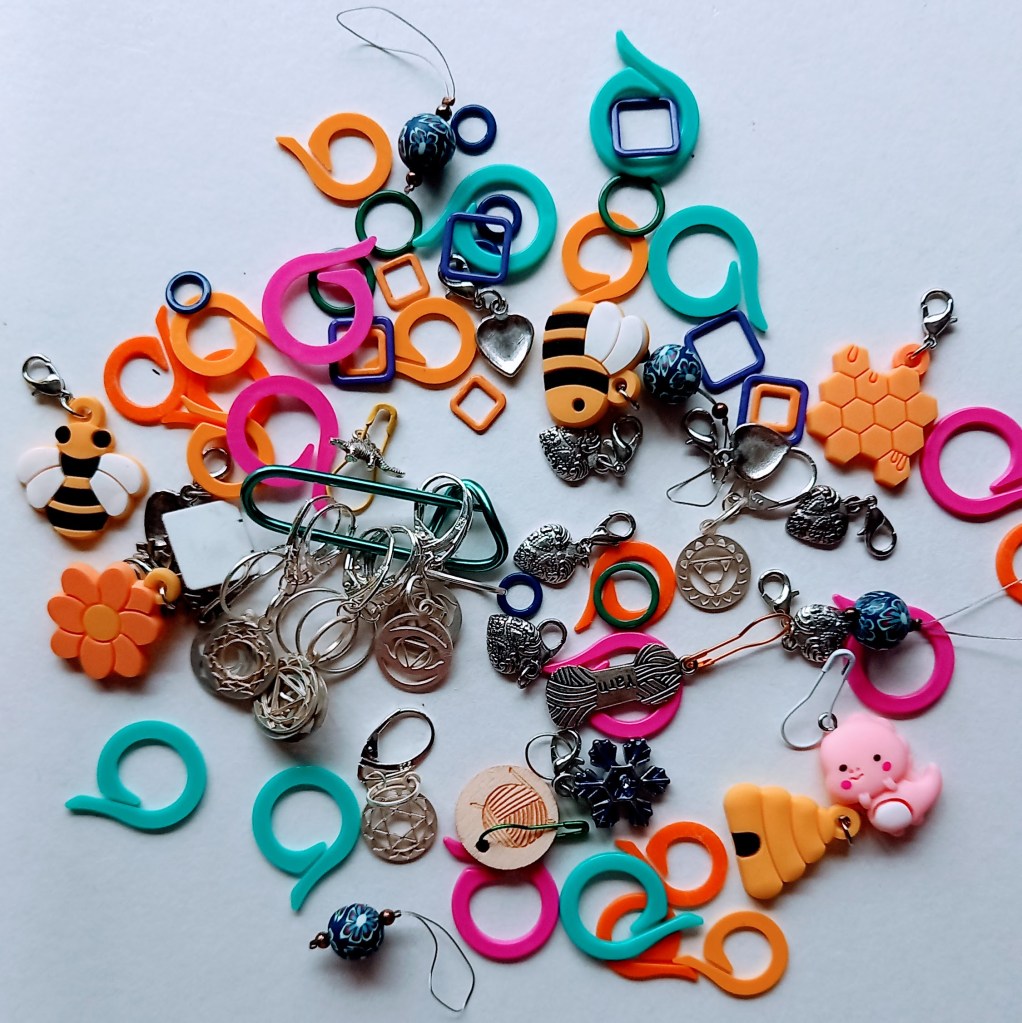
Before you begin, take a moment to read the pattern properly and make sure you have everything it calls for. Alongside needles or hooks, does it require stitch markers, cable needles, stitch holders, or beads? There’s nothing more frustrating than getting into a good rhythm, only to have to stop and wait for the shops to open because you’re missing a crucial item.
Spinning Fibre
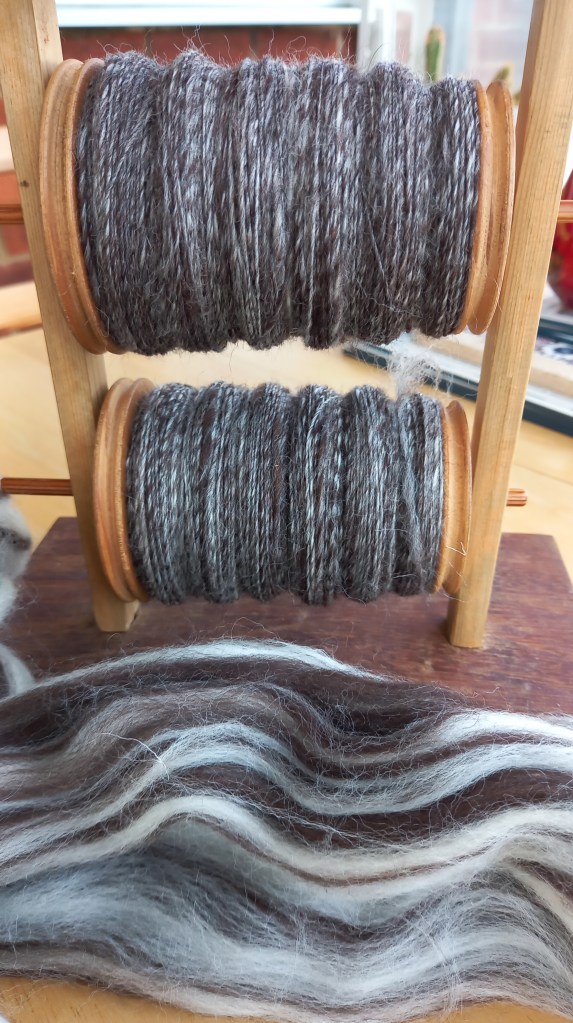
When spinning, I usually work with combed tops. The best advice I ever received was to pre-draft — gently easing the fibres apart along their length between your hands, working down the fibre and back again. It makes the spinning process feel much easier and more controlled.
Once you’ve filled a bobbin with singles, let the fibre rest for at least 24 hours before plying. That pause really does make a difference.
Weaving Fibre
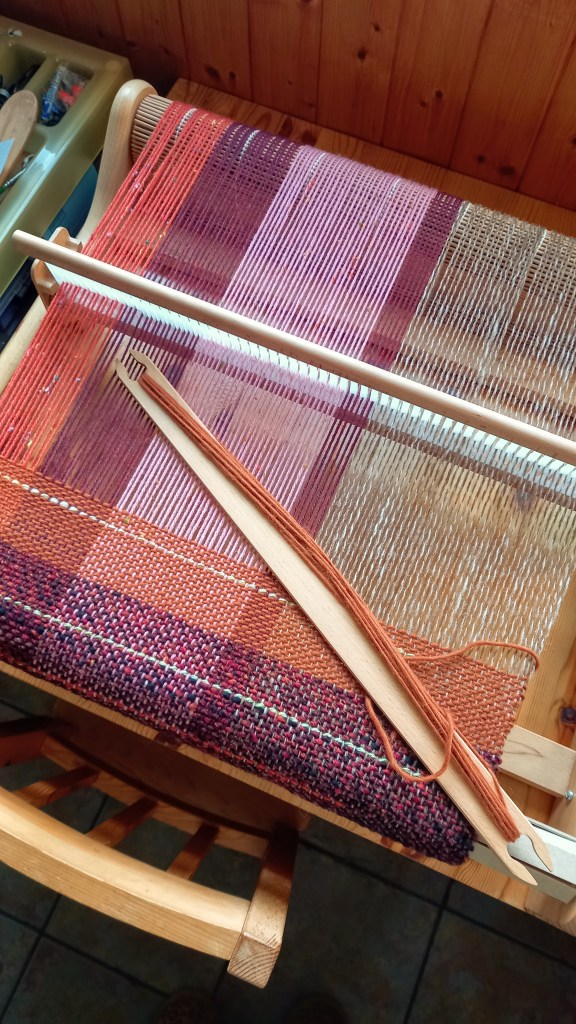
I weave on a rigid heddle loom, and once I’ve chosen the yarn for my warp, my next decision is the size/dent of the reed. I have a bamboo blind, cut to size, on the back beam, so that when I wind on the warp, the yarn spreads evenly. The warp has a huge impact on the finished fabric, so it’s worth taking your time here.
However you choose to spend your crafting time, I hope these reflections encourage you to enjoy the preparation as much as the making itself.
Happy crafting — and next time, I’ll be turning my focus to the tools I find most useful.
Sue
 Pearson Handmade