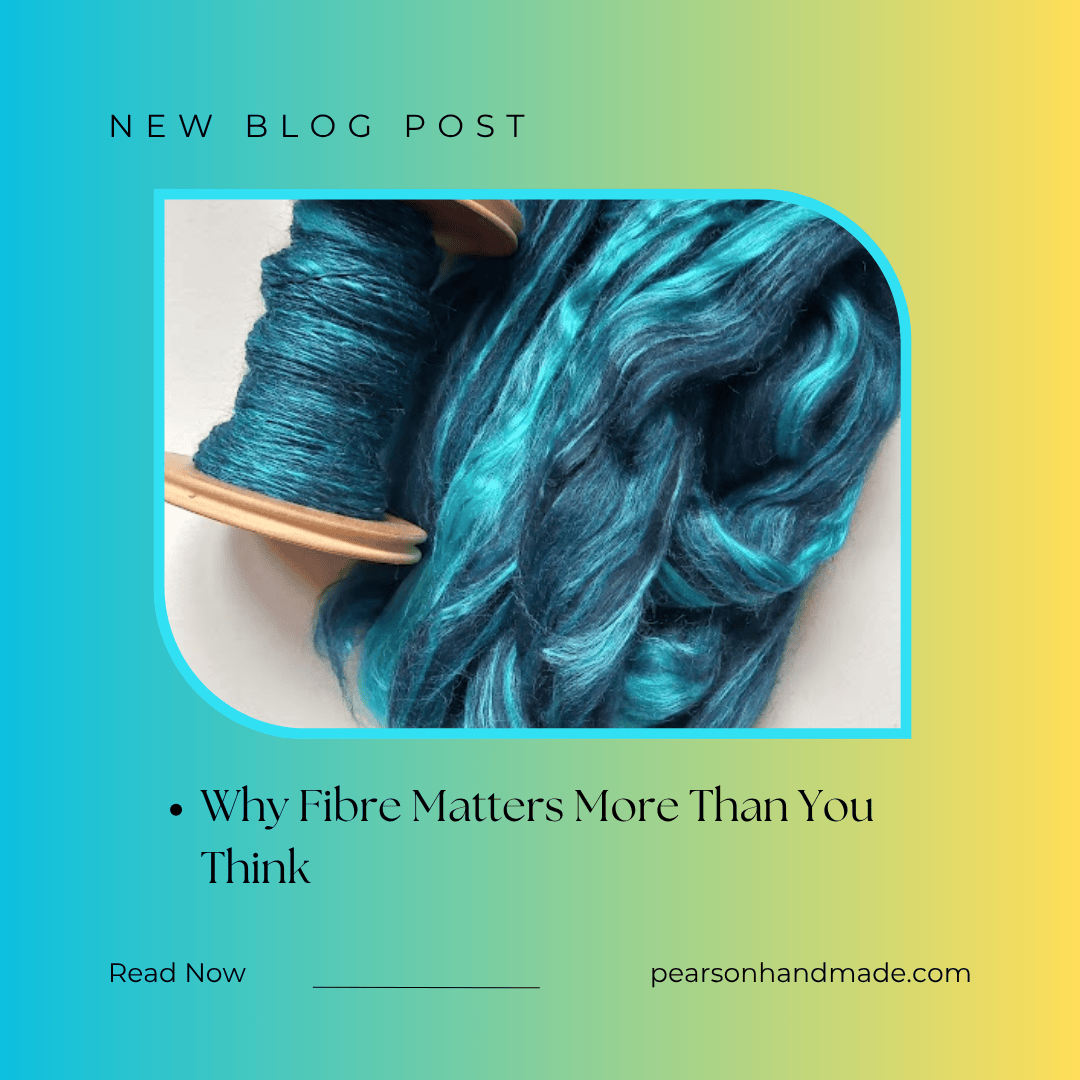
In my last post, I revisited my very first published Tunisian crochet pattern and started experimenting with a redesign. This week, I thought I’d step back and look at something that influences every project before the first stitch is even made: the yarn itself.
Two crocheters can follow exactly the same pattern and end up with finished pieces that feel completely different. The fibre you choose affects drape, warmth, stitch definition, durability and even how enjoyable the project is to make.
Cotton
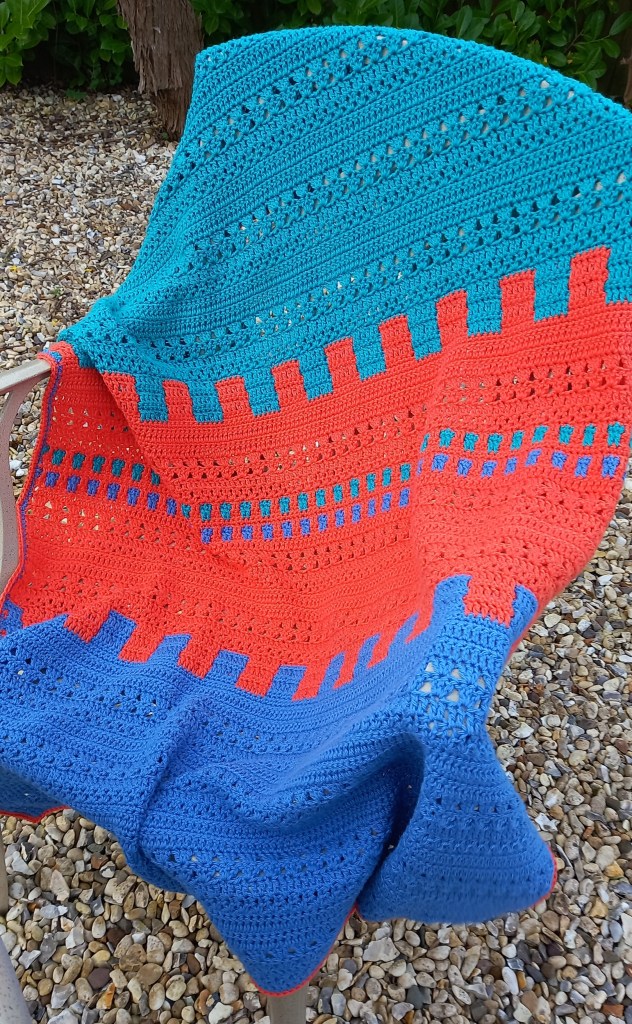
A natural plant fibre, cotton is soft, absorbent and biodegradable. It resists pilling, but has a tendency to stretch when wet. Cotton has very little natural elasticity, so it doesn’t spring back in the same way as wool. One of my favourite cotton yarns is King Cole Cottonsoft DK, and I’ve used this quite a lot to make blankets and throws. It has a lovely weight, drapes well, and is very soft next to the skin. The only thing I’m always careful about is when I wash or block the design – after immersing in water, always lay the item out flat to dry. Some of my cotton blankets are large, and if I hung them out on a line to dry they would stretch horribly.
Wool
A natural fibre from sheep, wool is the traditional choice for knitting/crocheting. It is warm and durable, however it can be tricky to wash – who hasn’t shrunk a jumper by washing it too hot? Since I started spinning my own yarns, I have come to understand that ‘wool’ is a really broad term. It applies equally to a strong, rustic yarn spun from a Herdwick sheep to the fine, soft yarn spun from Merino. Personally, my own favourite to spin is Corriedale, usually in a blend with silk. One of my favourite commercial wool yarns is a Blue Faced Leicester from World of Wool in their Lowland range. I’ve just finished a shawl design using this yarn, which drapes beautifully. I’m thrilled to announce that the pattern will be in the World of Wool Yarn Advent Calendar 2026.
Acrylic
Acrylic is a synthetic fibre that is lightweight, soft and durable. It often comes in amazing colours and is usually less expensive than other fibres. The synthetic fibre is derived from petroleum. It is less ‘breathable’ than natural fibres, and is prone to pilling. I will use yarn with a little acrylic in it, because premium non-acrylic yarns are just too expensive to use exclusively. These days I very rarely buy 100% acrylic yarn. It has its place—particularly where affordability, easy care or allergies are important—but I find I much prefer working with natural fibres.
Bamboo
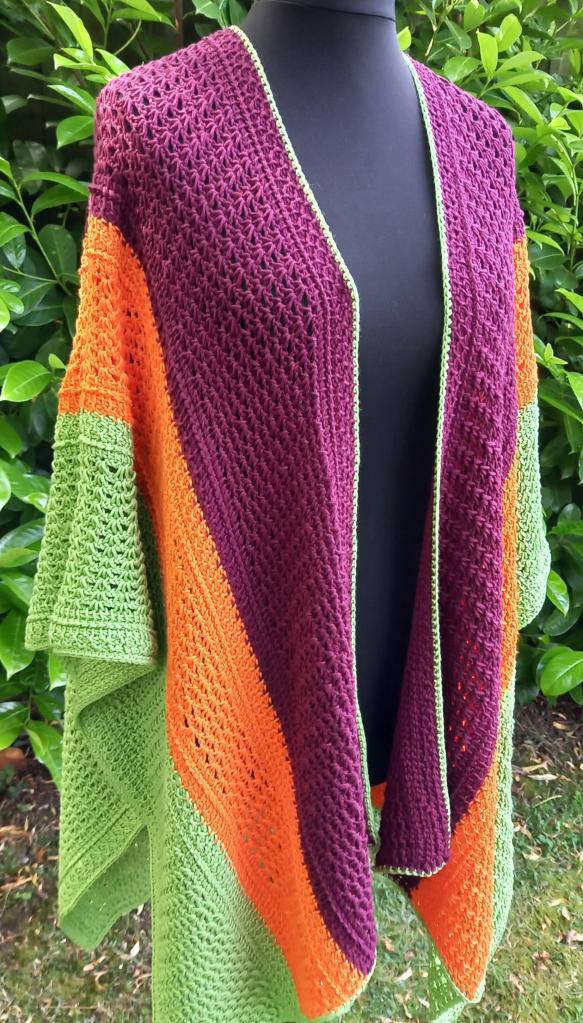
A sustainable fibre from the pulp of the bamboo plant, softer than cotton and hypoallergenic. Bamboo yarn has a glossy finish and this can make it feel quite slippery when working. It is also more expensive than traditional yarns, and finished items can shrink so this needs to be allowed for. I have only recently started working with bamboo. I like the finished feel of it (see my Strata Kimono), but it does take a little concentration to work with as the sharp point of the Tunisian crochet hook can split the yarn if you aren’t careful. That being said, the finished weight and drape are well worth a little extra effort.
Alpaca
Alpaca is a natural animal fibre that is softer than sheep’s wool and less prickly. It resists pilling and is hypoallergenic. Alpacas can be white, black or shades of brown, and these natural colours are lovely. The fleece can be spun into heavyweight or fine yarn. One of my absolute favourites, it has a wonderful softness and warmth without the weight, which makes it a joy to wear. Commercial yarns such as Drops offer a 4ply alpaca, or their aran yarn is an alpaca/wool mix. At Wonderwool Wales I found the lady who runs an alpaca farm and markets her alpaca yarn under Penrhallt Alpacas, and closer to home is Homefield Alpacas in Louth. Needless to say, I can’t walk past an alpaca seller without buying something.
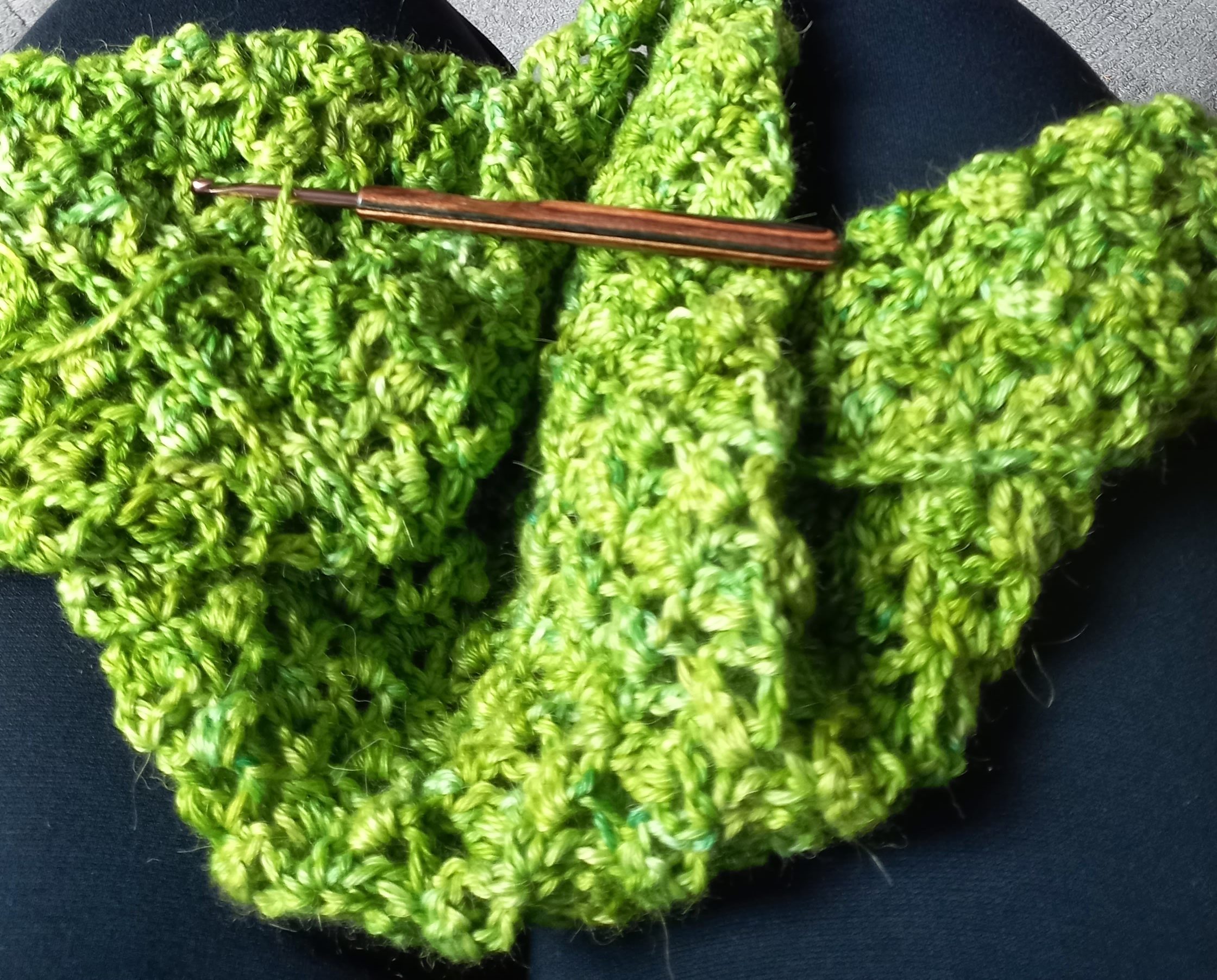
There isn’t a single “best” fibre—only the best one for the project you want to make. The more you experiment, the more you’ll discover which yarns suit both your designs and the way you enjoy crafting.
If you’d like to see more of my fibre nerd showing, I share regular updates every Fibre Tuesday on Facebook and Instagram. I’d love for you to join me there and see what yarn I’ve been reading the labels of each week. I’ve also put up a (possibly) helpful free guide to a common range of fibres on my website. If today’s post has sparked your curiosity about wool and fibres, I’ve recently published a Substack article about learning to spin yarn and how it changed the way I think about fibre. You can read it here.
Until next time, happy crafting!
Sue

