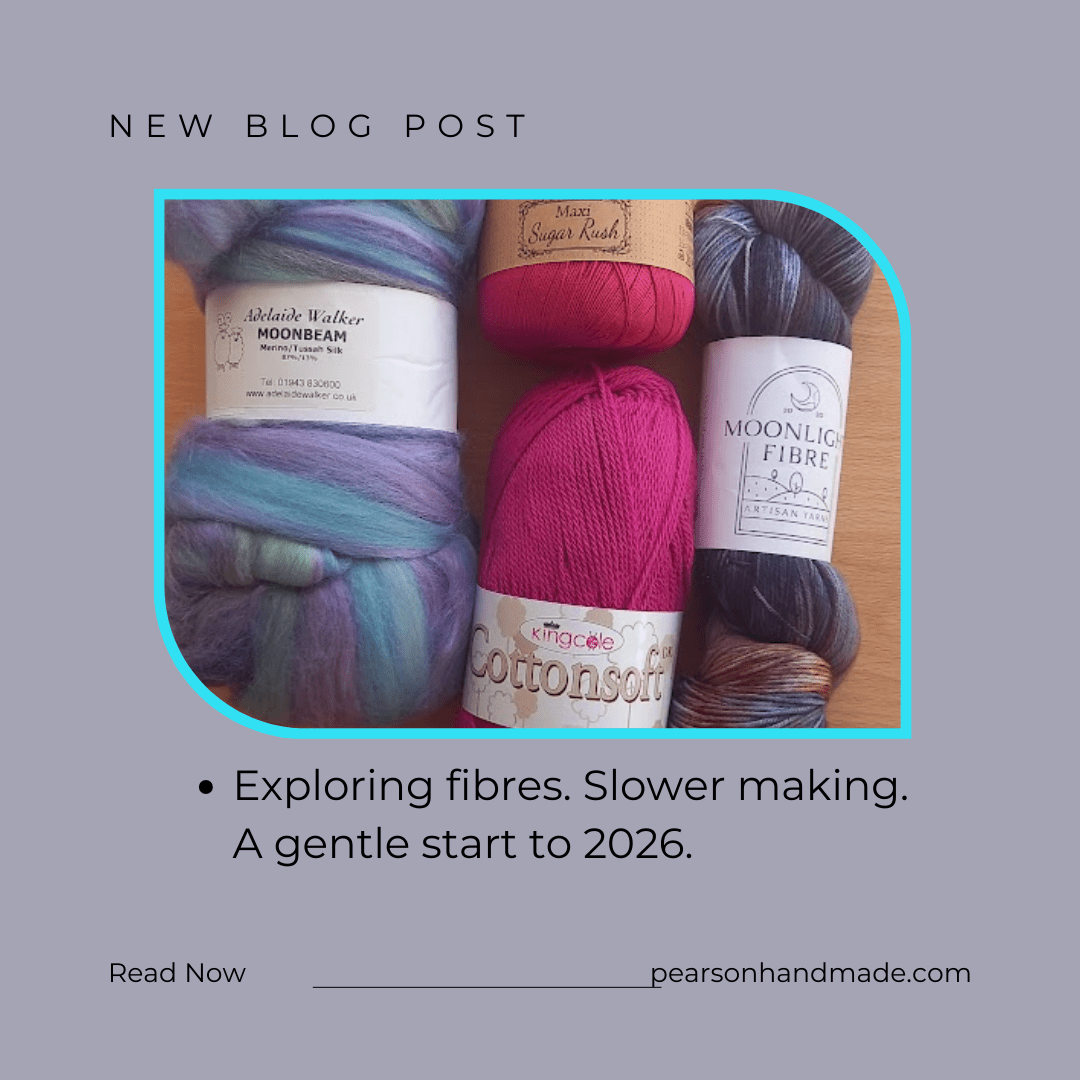
In my last blog post I shared a few ideas for cosy crochet projects — the kind of slow, comforting makes that are perfect for chilly evenings. For this first post of 2026, I wanted to begin the year a little more thoughtfully, by turning my attention to the fibres themselves.
Over time, I’ve found myself increasingly drawn to natural fibres. Acrylic and other man‑made yarns certainly have their place — their colours can be wonderfully vibrant and they’re often more budget‑friendly — but when it comes to my own making, I tend to reach for cotton, wool and alpaca. There’s something about their texture, warmth and connection to nature that feels especially fitting for slower, more mindful crafting.
Cotton
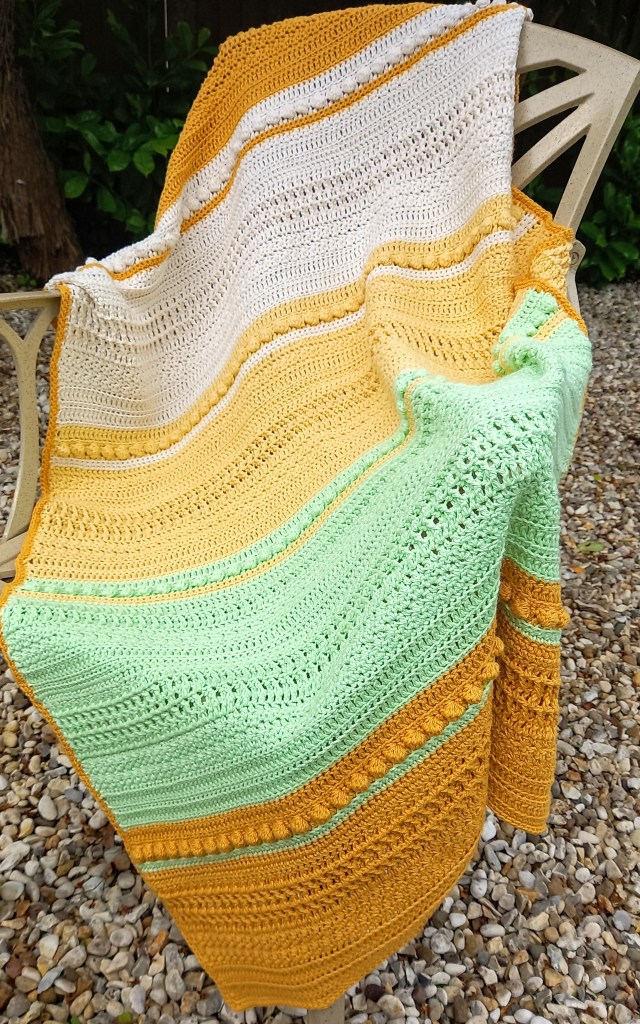
The cotton yarn I use most often is King Cole Cottonsoft DK, which comes in a generous range of colours and features in many of my throw designs. As a natural plant fibre, cotton is soft, absorbent and biodegradable, making it a versatile choice for both knitting and crochet projects. Cotton resists pilling well, though it does have a tendency to stretch when wet and isn’t as elastic as some other fibres.
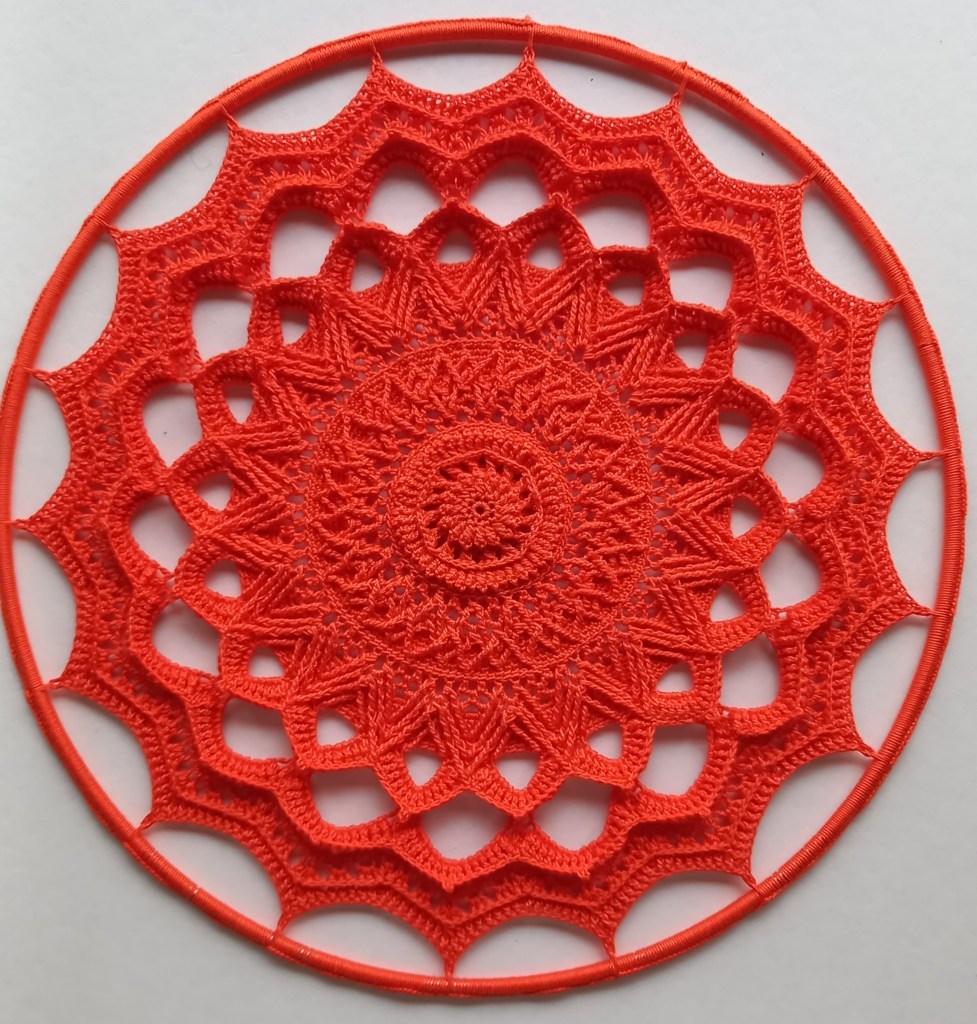
You may also notice some cottons described as mercerised — a chemical process that adds strength and a subtle sheen. A good example is Scheepjes Maxi Sugar Rush, which I enjoy using for crocheted mandalas, where stitch definition and lustre really shine.
Wool
Wool, shorn from sheep, is the traditional choice for knitting and crochet. It’s warm, durable and wonderfully adaptable, though it does require a little care — most of us have, at some point, accidentally shrunk a favourite jumper! Some wool yarns are labelled Superwash, meaning they’ve been treated so they can be washed more easily. I often buy indie‑dyed sock and DK yarns from Moonlight Fibre and Fruitful Fusion, typically blends of Superwash merino and nylon that balance softness with strength.
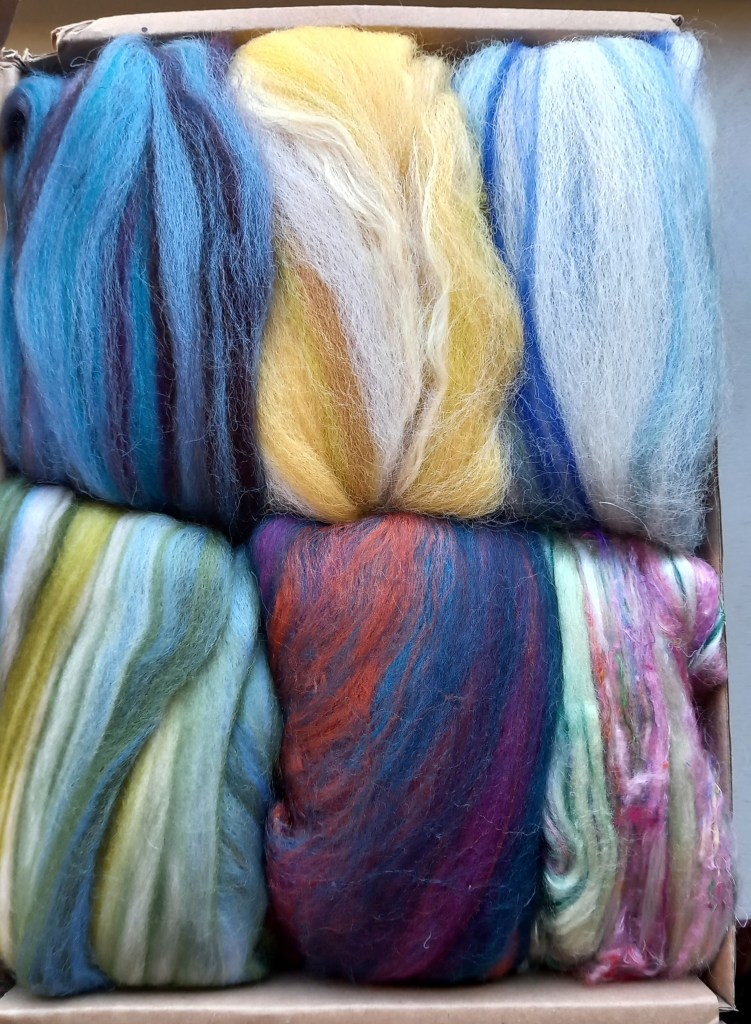
Alongside this, spinning is an important part of my practice. I enjoy making my own yarn from undyed or dyed combed tops, sourced from Adelaide Walker or Wingham Wools. The process deepens my connection to the fibre and gives me complete control over the finished yarn.
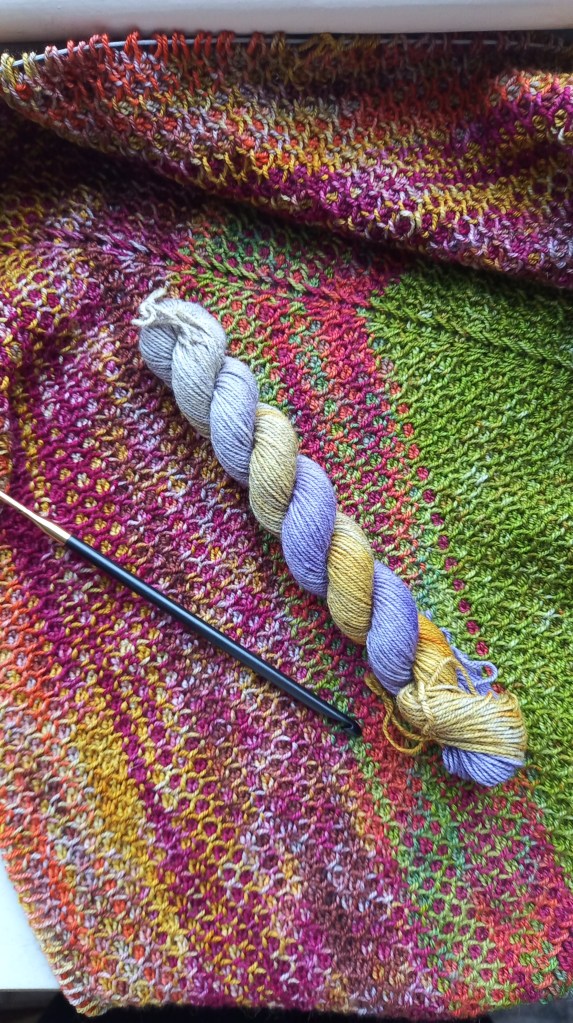
One of my more recent discoveries is a Yak Sock base from Noodle Soup Yarns — a blend of 70% merino, 20% yak and 10% nylon. The addition of yak creates a beautifully soft yarn, and I’ve been very impressed with how it feels and works up. It’s definitely one I’ll return to.
Alpaca
Alpaca is another natural animal fibre that I’m especially fond of. Softer than sheep’s wool and generally less prickly, it’s also hypoallergenic and resistant to pilling. Alpacas produce fleece in a range of natural shades — from white through to black and warm browns — which are lovely in their own right. Alpaca fleece can be spun into both fine and heavyweight yarns. I’ve previously used alpaca from Homefield Alpacas, and I’m currently knitting with King Cole Natural Alpaca, which is beautifully soft and a pleasure to work with.

However you choose to spend your crafting time, I hope these reflections encourage you to embrace slower making, warmer fibres, and projects that bring a little extra comfort at this time of year.
Happy crafting — and next time, I’ll be turning my focus to the preparation that happens before the making begins.
Sue

 Pearson Handmade